5 Things to Expect During a Residential Demolition Project
A residential demolition project is the process of safely dismantling an aging structure—such as a house, barn, or mobile home—to clear the land for new use. It involves strategic planning, structural knockdown using heavy machinery, thorough debris removal, and final site clearing to leave a clean, build-ready landscape.
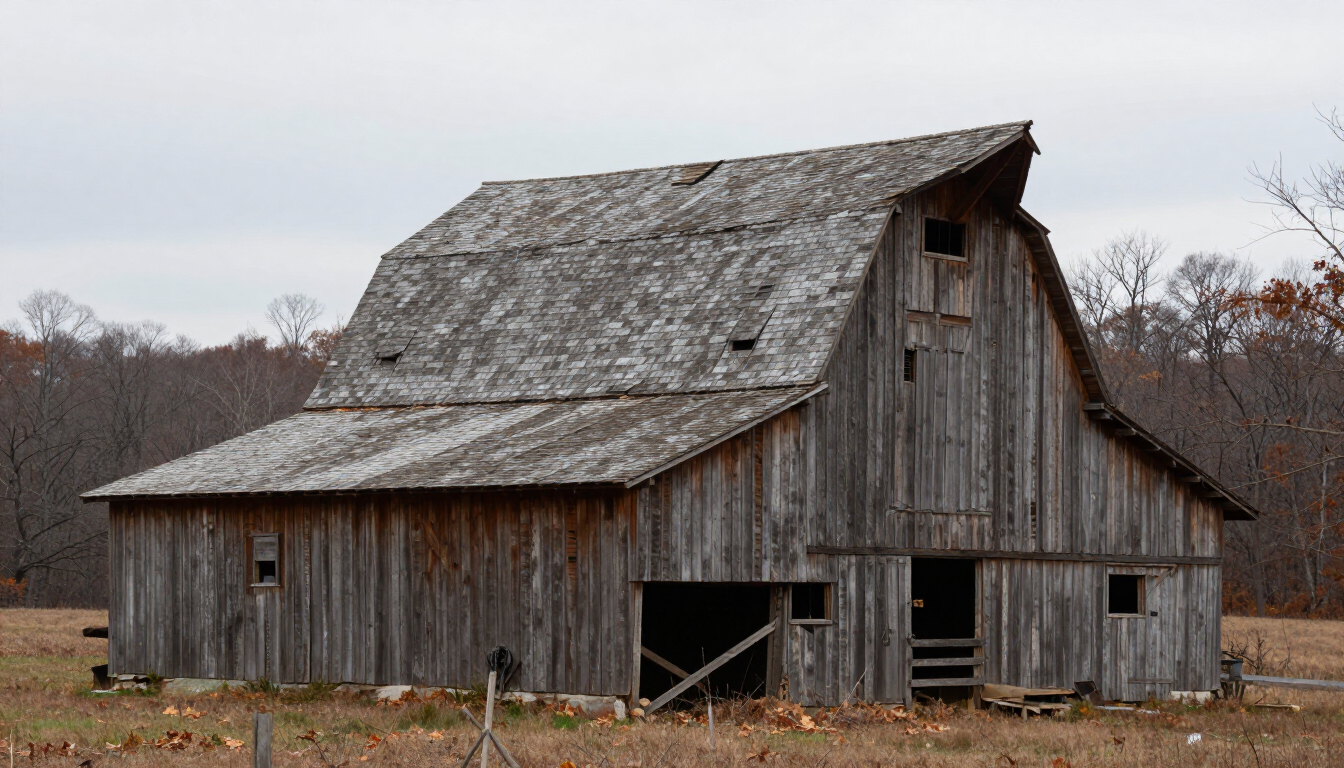
When you look at an old, dilapidated building on your property, it can feel like a massive hurdle standing between you and your future plans. Whether you are a homeowner in West Tennessee or Western Kentucky, clearing away the old is the first step toward building the new. At Shamrock Dirt & Forestry, we have spent over 25 years helping folks navigate this transition. We know that if you have never hired a demolition contractor before, the process can seem a bit mysterious. You might wonder how loud it will be, how long it will take, or what your yard will look like when the dust finally settles.
Demolition is about more than just swinging a wrecking ball—in fact, most modern residential jobs rely on the precision of hydraulic excavators rather than the cinematic wrecking balls of the past. It is a controlled, step-by-step procedure designed to protect your land and ensure that your next project, whether it is a new home foundation or a lush garden, has a solid start. In this guide, we will walk you through five key things you should expect during your residential demolition project, drawing on our decades of experience in the local dirt work industry.
What is the first step of a residential demolition project?
The very first thing you should expect is a phase centered entirely on planning and site assessment. Before a single piece of heavy equipment rolls onto your property, a professional contractor needs to understand the layout. This isn't just about looking at the building; it’s about looking at the land around it. In our region of West Tennessee and Kentucky, we often deal with varied terrain—sometimes it’s flat, sandy soil, and other times it’s rolling hills with thick clay. We need to plan the best route for our excavators and dump trucks to enter and exit without causing unnecessary damage to your driveway or existing landscaping.
During this planning phase, we identify the "footprint" of the demolition. We look for overhead lines, nearby trees you want to save, and the location of underground utilities that need to be safely disconnected. Even though we aren't discussing permits here, the planning phase is when the roadmap for the entire job is created. You can expect your contractor to ask questions about your future plans for the site. For instance, if you’re planning on using our mobile home site services to install a new manufactured home later, we need to ensure the ground is left in a specific condition. A good plan prevents surprises once the machines start moving, ensuring that the project stays on track and respects your property boundaries.
How does a contractor prepare the site for heavy machinery?
Once the plan is in place, the next expectation is site preparation and clearing. You might see us bringing in smaller equipment first to clear away brush, overgrown vegetation, or old fencing that might be in the way. This is a crucial part of our property and brush clearing expertise. We need a clear, stable work area so that our large excavators can maneuver safely. If the structure is surrounded by dense woods or thickets common in our neck of the woods, we’ll spend time making sure there’s enough room to operate without snagging branches or getting stuck in soft mud.
Site preparation also involves protecting the areas of your property that aren't being demolished. If you have a prized oak tree or a specific patch of land you want to keep pristine, we establish "no-go" zones. We also consider the "staging area"—the spot where the trucks will park to be loaded with debris. Expect a bit of activity as we set the stage. This part of the site preparation process ensures that when the actual demolition starts, it can proceed rapidly and without interruption. It’s all about creating a safe, efficient environment where the heavy lifting can happen without a hitch.
What happens during the actual structure knockdown?
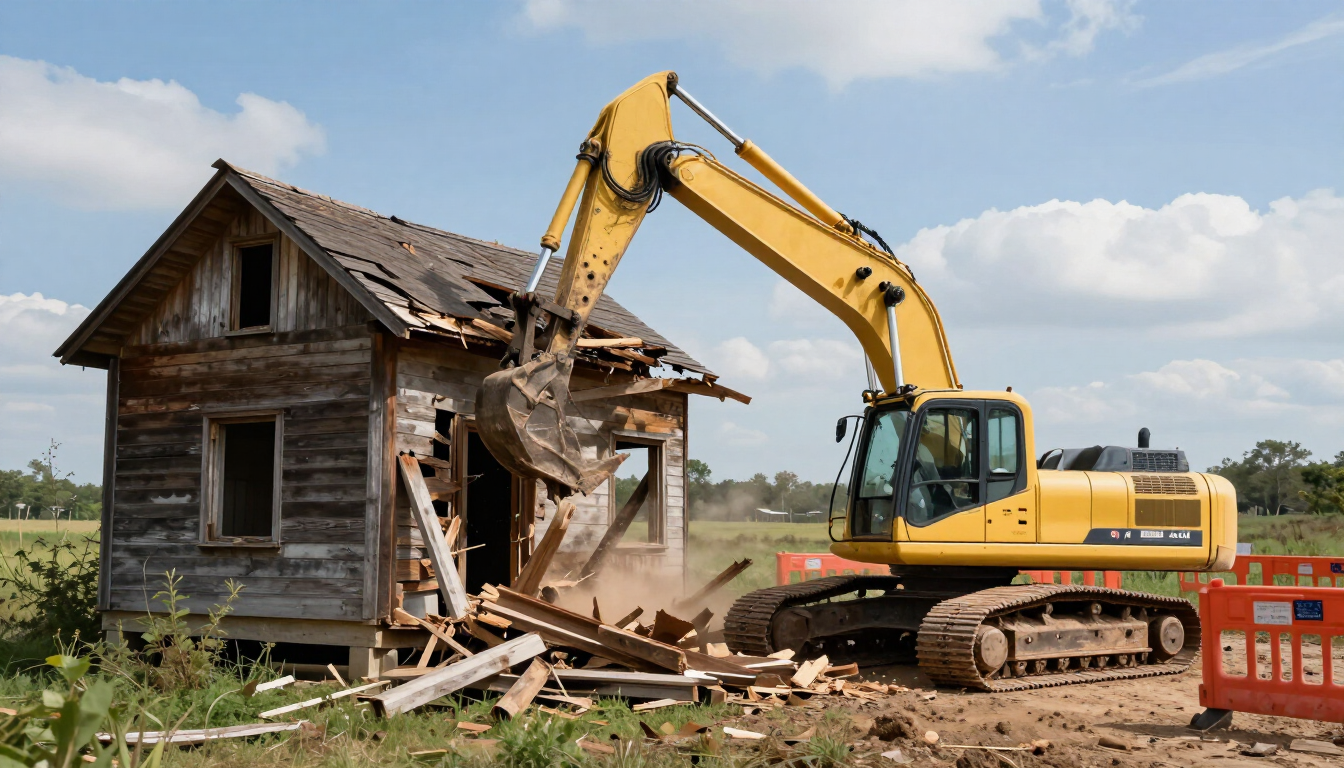
This is the part most people think of when they hear the word demolition: the knockdown. When the excavator arrives, you can expect to see a highly skilled operator using the machine’s thumb and bucket to literally take the building apart. It is much more like surgery than a random act of destruction. We start from the top and work our way down, carefully folding the structure in on itself. This controlled approach is vital because it keeps the debris contained within the original footprint of the house or barn, preventing it from scattering across your entire yard.
Watching an excavator work is fascinating. The operator can pluck a single beam or pull down a wall with incredible precision. As the structure comes down, we are constantly sorting materials. While the machine is doing the heavy lifting, the goal is to break the building into manageable pieces that can be easily loaded into a truck. You should expect some noise and dust during this phase—it’s unavoidable when you’re moving tons of wood, brick, and concrete. However, a professional crew will work quickly to minimize the duration of the disturbance. For most standard residential homes in West TN/KY, the actual knockdown only takes a day or two, depending on the complexity of the structure and the materials used in its construction.
How is all the debris managed and removed?
After the building is down, the most labor-intensive part of the residential demolition project begins: debris removal. You shouldn't expect a giant pile of rubble to sit on your property for weeks. Part of a full-service demolition is the hauling and disposal of every last bit of the old structure. This is where our deep experience in excavation and dirt work comes into play. We use our heavy equipment to load dump trucks with the remains of the building—everything from the roofing shingles to the floorboards.
We take pride in leaving the site as clean as possible. Once the main structure is hauled away, we go back over the area to pick up smaller pieces of debris. We also deal with the foundation. If the house had a concrete slab or a crawlspace with footings, those need to be dug out and removed as well. Leaving old concrete in the ground can cause major headaches for future builders, so we make sure it’s all gone. We transport the waste to licensed disposal facilities that handle construction and demolition debris, ensuring that your property is cleared responsibly. By the time we are done with the debris removal, the spot where the building once stood will look like an empty patch of earth, ready for whatever you have planned next.
Realistic timelines for residential demolition projects
One of the most common questions we get is, "How long will this take?" While every job is different, you can generally expect a residential demolition project to last anywhere from three to seven days from start to finish. The first day is usually dedicated to site prep and staging. The actual knockdown might take one to two days. The remaining time is spent on the meticulous task of loading trucks, hauling debris, and performing the final site finish work.
Several factors can influence this timeline. Weather is a big one here in the Mid-South. Heavy rains can turn a site into a muddy mess, making it difficult for heavy trucks to move without damaging the ground. If we encounter a week of Tennessee downpours, we might have to pause to protect your land. The size of the structure and the materials it's made of also matter; a brick-and-mortar house takes longer to process than a simple wooden shed or a mobile home. Despite these variables, a professional team with 25+ years of experience knows how to manage the schedule efficiently. We aim to get in, get the job done right, and get out so you can move forward with your property goals.
Preparing your land for its next chapter
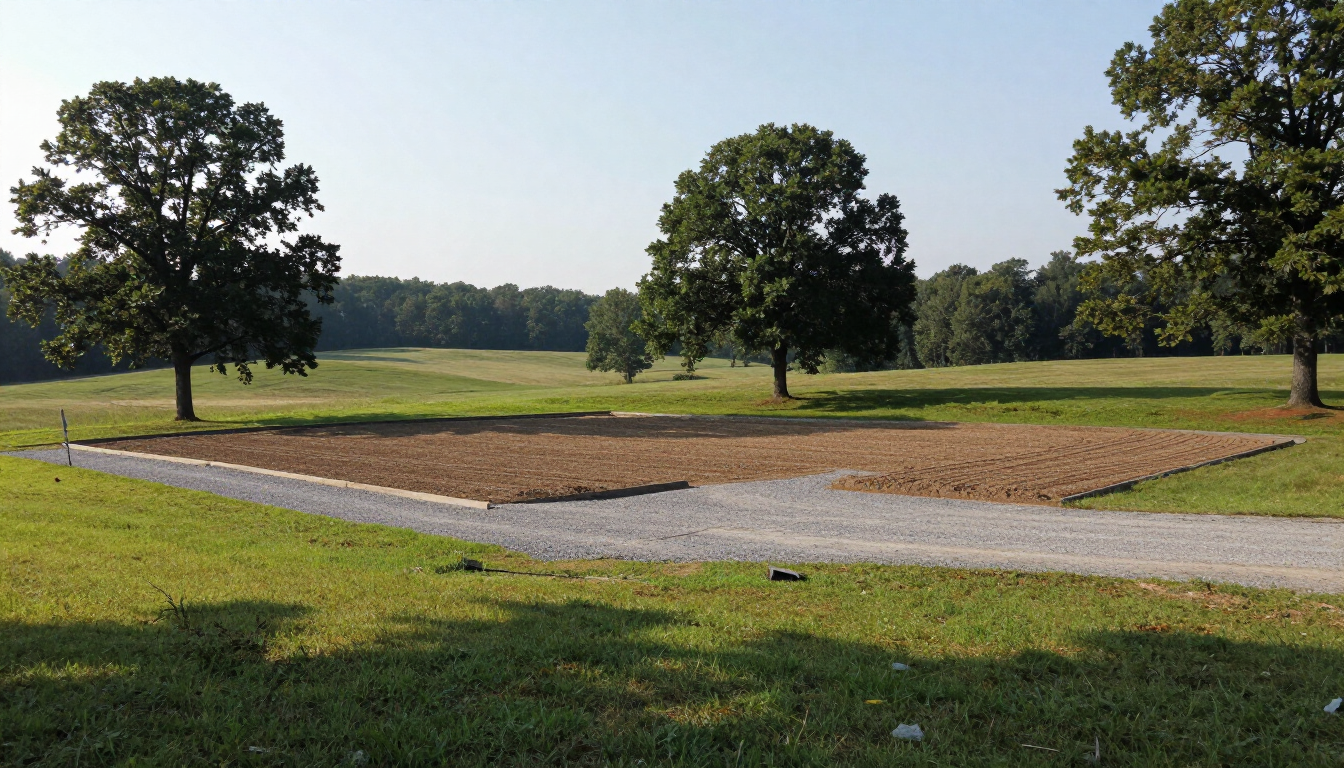
Once the debris is gone and the equipment is loaded back onto the trailers, you’ll be left with a transformed piece of property. The final step we perform is a light grading of the soil. This ensures that the area where the building stood is level and drains properly. We don't just leave a hole in the ground; we fill and smooth the area so it integrates with the rest of your landscape. This is the moment where you truly see the value of a professional residential demolition project. What was once an eyesore or a safety hazard is now a clean slate of fertile Tennessee or Kentucky soil.
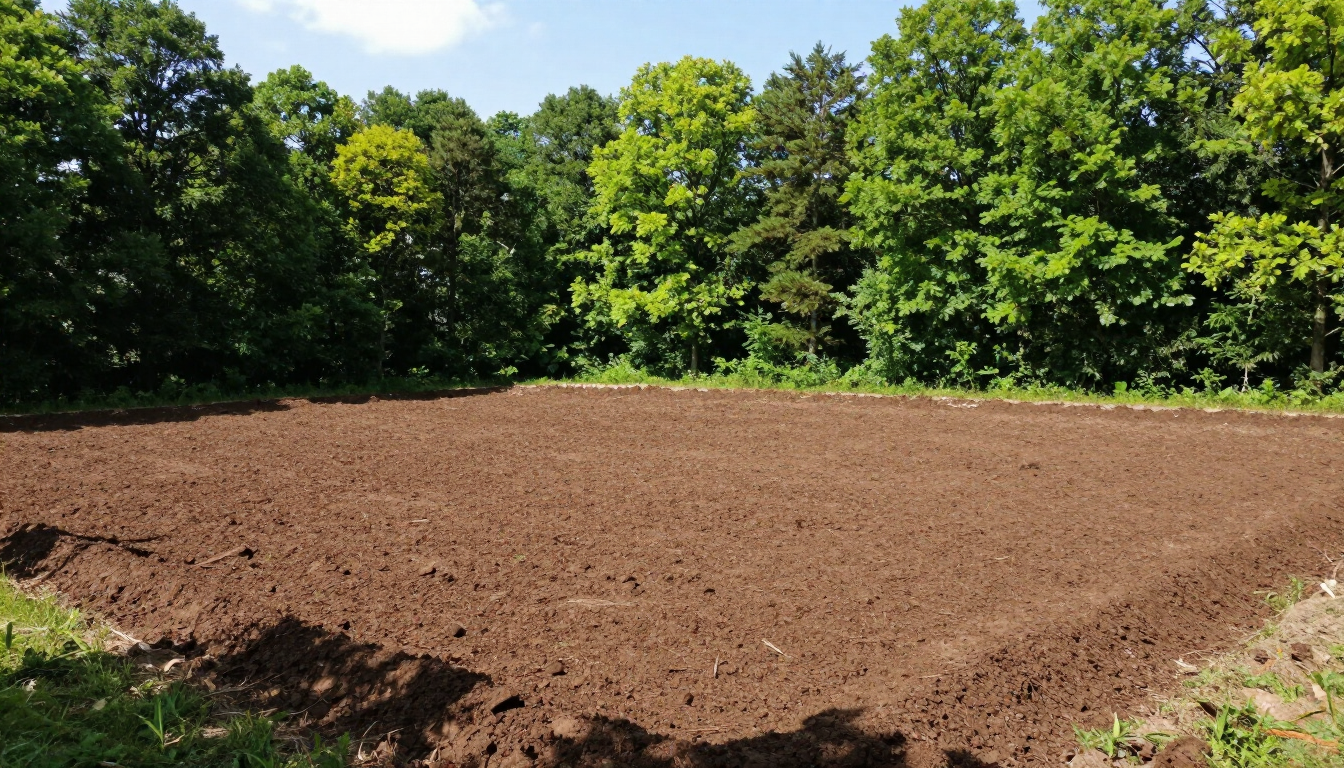
At Shamrock Dirt & Forestry, we love seeing that transformation. It’s the satisfying conclusion to a job well done. Whether you’re planning to build a new family home, put in a workshop, or simply enjoy the open space, having the land professionally cleared is the best way to start. If you’re ready to clear the way for something new, we invite you to Contact Us to discuss your project. We’ve spent decades perfecting the art of the residential demolition project, and we’d be honored to bring that expertise to your property.
Key Takeaways for Your Demolition Project
- Detailed Planning is Vital: Expect a thorough walkthrough to identify utility lines and protect your property’s natural features.
- Site Prep Sets the Stage: Clearing brush and creating a staging area ensures the demolition happens safely and efficiently.
- Controlled Knockdown: Modern demolition is a precise process using excavators to dismantle structures and contain debris.
- Complete Debris Removal: A professional job includes hauling away everything, including the foundation, leaving a clean site.
- Efficient Timelines: Most residential projects are completed within a week, depending on weather and the size of the structure.