8 Questions Before Buying Land for a Mobile Home
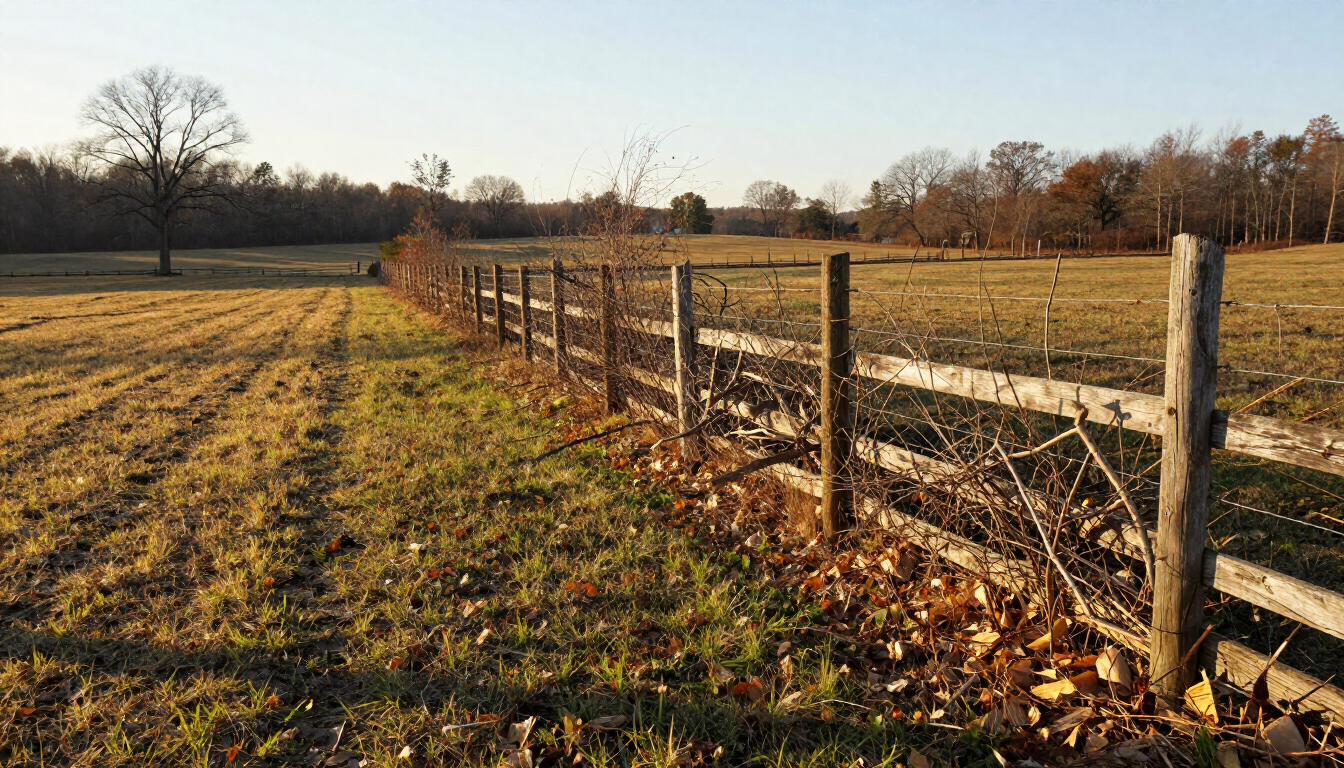
Buying land for a mobile home in West Tennessee or Kentucky takes more than finding a level-looking lot. Before you make an offer, check delivery access, trees, slope, drainage, utilities, septic feasibility, and local restrictions. These eight questions can help you spot costly site challenges before committing to property.
1. Can a mobile home delivery truck reach the property?
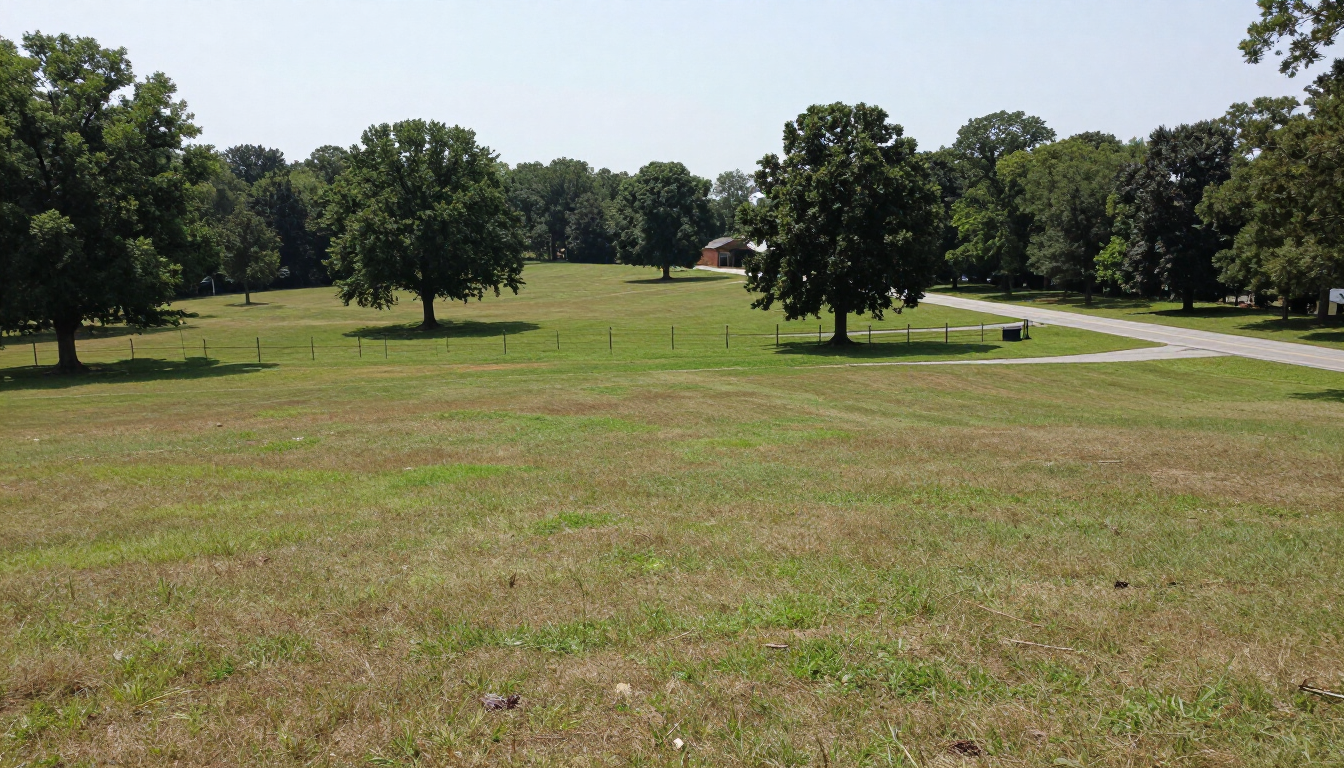
A property may look accessible in a passenger vehicle but be difficult for a large delivery truck. Before buying, walk and drive the full route from the public road to the proposed home site.
Look for:
- Narrow roads, sharp turns, or steep approaches
- Low-hanging branches and overhead wires
- Soft shoulders, ditches, culverts, or weak bridges
- Gates or entrance points that may be too narrow
- Space for a truck and equipment to turn around
Ask whether the route is maintained year-round and whether the driveway entrance can support the traffic involved. A site work contractor can help you think through access and the amount of clearing or grading that may be needed.
2. How much tree cover will need to be removed?
Trees can make rural land attractive, but dense woods may limit where the home, driveway, utilities, and septic area can go. Do not judge clearing needs only by looking at the front of the property.
Walk the entire parcel and note:
- Heavy tree cover near possible building areas
- Large trees close to the driveway route
- Stumps, fallen timber, or thick brush
- Areas where equipment may have limited room to work
- A second open area that could serve as an alternative site
Also check whether there are restrictions on removing trees. Shamrock Dirt & Forestry provides property and brush clearing for landowners preparing a property for construction or future use.
3. Is the land too steep for a practical home site?
A lot does not have to be perfectly flat, but a steep or sharply sloped parcel may require more earthwork before it is ready. A slope can affect the home location, driveway route, drainage pattern, and access for installation equipment.
When viewing land, look beyond the most attractive spot. Compare the likely home area with the road and possible utility routes. Watch for exposed soil, visible erosion, steep banks, and sudden changes in elevation.
A professional site review can help identify whether the property needs excavation and dirt work , grading, or a different home location. At the buying stage, the goal is not a final design. It is to understand whether the land appears workable.

4. Where does rainwater go after a storm?
Drainage is one of the most important questions when evaluating land for a mobile home. A dry lot during a sunny viewing may collect water after heavy rain.
Visit the property after wet weather if possible. Look for standing water, muddy areas, eroded soil, water flowing across the driveway, or dark lines showing repeated runoff. Also observe nearby fields, ditches, ponds, and low areas that may send water toward the proposed site.
Ask how water naturally moves across the parcel and whether the home site could remain well drained after grading. Good planning should protect the home area, driveway, and neighboring property rather than simply moving water somewhere else.
5. Are electric, water, and other utilities realistically available?
A listing may say utilities are nearby, but “nearby” does not always mean they are ready to connect at the location you want. Confirm what is available at the road, what would need to be extended, and whether the proposed home site is reachable.
Contact the relevant utility providers and ask about service availability for the specific parcel. You should also verify whether the property has recorded access or easements for utility work. Keep your questions practical:
- Where is the closest connection point?
- Is service available on the correct side of the road?
- Are there physical obstacles between the connection and home site?
- Does the property have legal access for installation and maintenance?
These answers can change how you evaluate the land, even when the parcel looks ideal.
6. Is a septic system realistic on this property?
If public sewer is not available, confirm early whether a private septic system appears feasible. This is not something to assume from acreage alone. Soil, drainage, setbacks, terrain, and the location of other site features all matter.
Contact the appropriate local health or environmental office about the property and required evaluation process. Ask whether previous records exist and whether the parcel has an approved area or documented limitations. A seller’s statement that a nearby property has septic should not be treated as proof that this parcel will work.
Shamrock Dirt & Forestry offers septic system installation and repair , but final approval depends on local authorities and site-specific evaluation. Treat septic feasibility as a question to verify before closing, not a detail to solve later.
7. Are there restrictions on placing a mobile home here?
Before making an offer, check county and city requirements, zoning, subdivision covenants, deed restrictions, and any rules that apply to manufactured or mobile homes. Requirements can vary from one road or neighborhood to another.
Confirm where the home may be placed, what permits are needed, and whether the parcel has restrictions on access, outbuildings, animals, or land use. Ask the seller for recorded documents, then verify important information with the appropriate local office.
Do not rely only on an online listing or a verbal promise. Written confirmation can help you make a more informed decision.
8. What preparation will the property need before delivery?
After checking access, trees, slope, drainage, utilities, septic, and restrictions, make a simple site-readiness list. It may include clearing, driveway work, grading, drainage improvements, utility coordination, or a prepared foundation area.
A contractor can help you separate visible obstacles from questions that require an engineer, utility provider, surveyor, or local authority. Shamrock’s mobile home site services and site preparation and finish work can support planning for a workable home site.
Before any excavation, call 811 to have underground utility lines marked. This applies even when you are doing a small amount of digging or are unsure whether lines are present.
A practical land-buying checklist
Before you commit to a parcel, confirm these items:
- Delivery vehicles can reach and turn near the intended site.
- Tree clearing and brush removal are manageable.
- The slope and drainage fit a practical home location.
- Utility providers can explain how service would reach the site.
- Local officials can confirm septic and placement requirements.
A site visit with the right questions is often more useful than judging a property from photos alone. Take pictures, note wet areas, mark possible access routes, and bring your questions to the seller and local offices.

Final takeaway
The best land for a mobile home is not simply the cheapest or prettiest parcel. It is land with dependable access, a workable home area, manageable trees and slope, good drainage, realistic utility connections, and a septic path that local authorities can approve. Ask these questions before making an offer, then verify the answers with sellers, utility providers, local offices, and qualified professionals. When you are ready to discuss clearing, grading, excavation, or site preparation in Tennessee or Kentucky, contact Shamrock Dirt & Forestry for the next step.