How to Plan Commercial Site Work in Jackson, TN
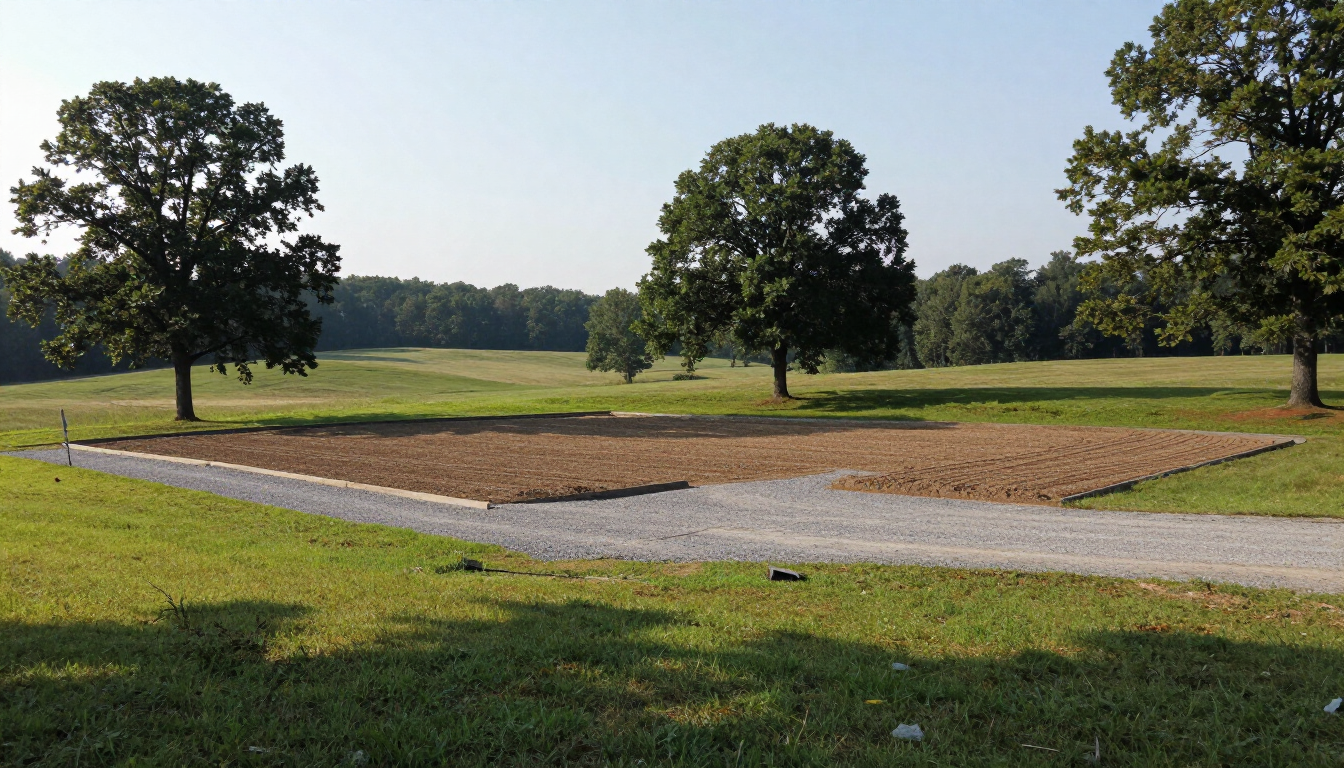
Before commercial site work starts in Jackson, TN, business owners should confirm the lot is cleared, accessible, properly graded, and ready for construction. Plan building pads, drainage coordination, parking areas, utilities, and winter preparation early. Always call 811 before digging, then review the site plan with an experienced excavation contractor.
What should a business owner do before commercial site work?
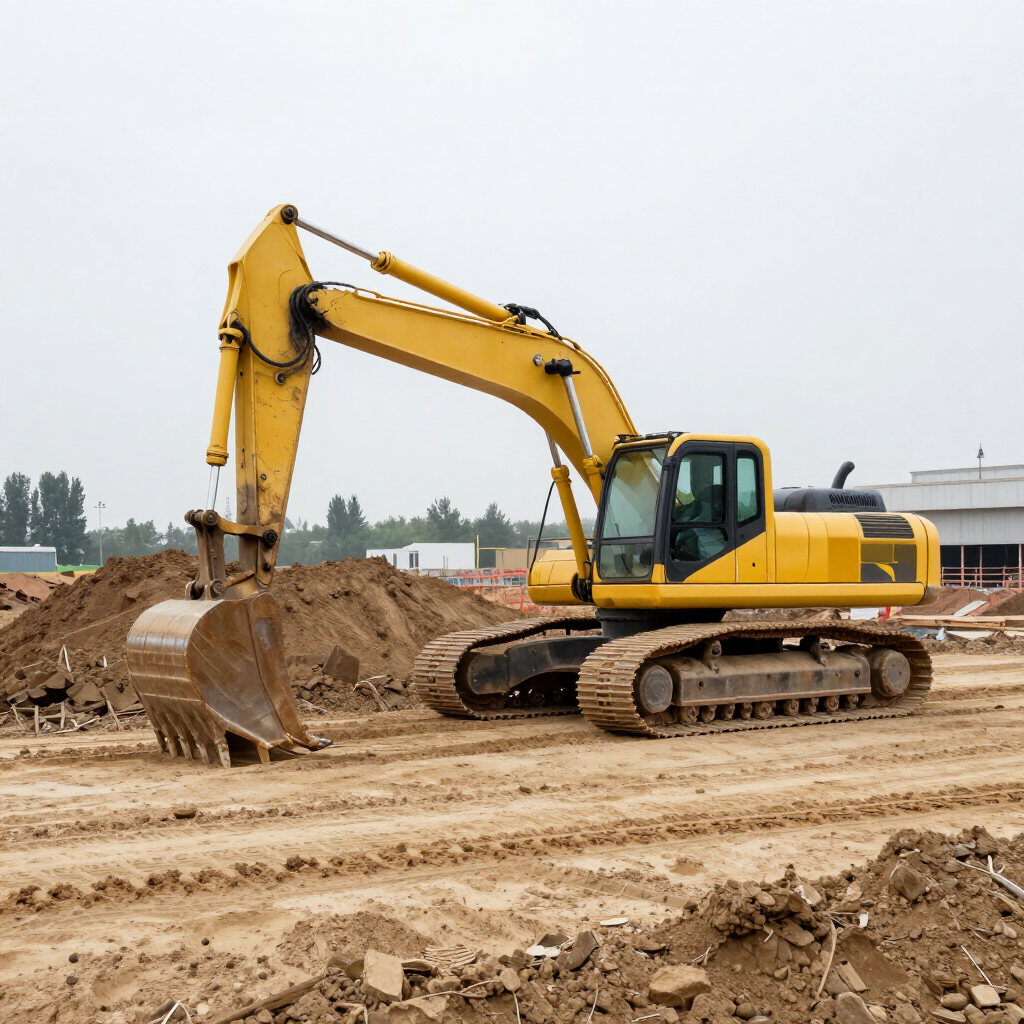
The best first step is to walk the property with your contractor and discuss what the finished site needs to accomplish. A commercial lot may require clearing, excavation, grading, a stable building pad, parking preparation, access routes, and coordinated drainage work.
Bring available site plans, surveys, property information, and building goals to the conversation. Even if the plans are not final, they help your contractor understand where the building, driveways, parking areas, loading zones, and outdoor features may go.
A clear plan helps prevent avoidable rework. It also gives the excavation team a better understanding of the soil, existing vegetation, slopes, access points, and areas that may need special attention.
For a general overview of available services, visit Shamrock Dirt & Forestry’s services . Remove the extra space before the URL when publishing if your editor does not handle it automatically.
Is the lot ready for clearing and excavation?
A lot can look open and usable while still needing substantial preparation. Before equipment arrives, identify:
- Trees, brush, stumps, old fencing, debris, or structures that must be removed
- Existing driveways, ditches, utility features, or access points that should remain
- Low areas, soft ground, steep slopes, or locations where equipment may have difficulty working
- Suitable places for equipment access and material movement
- Property boundaries and any areas that should not be disturbed
Commercial property clearing is more than cutting vegetation. Stumps, roots, buried debris, and uneven ground can affect later grading and construction. Proper clearing leaves the site easier to inspect and prepare for the next phase.
Before any excavation begins, call 811. The service helps identify underground utility lines so digging can be planned more safely. Do not assume an open field is free of buried utilities.
Shamrock’s property and brush clearing service can help prepare a commercial lot for the work that follows.
Clearing and demolition considerations
Some commercial lots contain old sheds, foundations, pavement, concrete, or other structures. If anything must be removed, discuss it before general clearing begins. Demolition debris can change how the site is accessed, cleaned, and graded.
The contractor should also know whether usable materials, trees, fencing, or existing surfaces need to be preserved. Marking these items early reduces confusion once heavy equipment is on the property.
For sites with structures or built improvements, review Demolition Services as part of the overall preparation plan.
How does grading prepare a commercial lot?
Grading shapes the property so the building area, parking areas, access routes, and surrounding ground work together. The objective is a stable, workable site with planned elevations and safe movement of water away from important areas.
Grading may include:
- Removing unsuitable or unwanted material from the work area.
- Moving soil to establish the intended general elevations.
- Leveling and shaping the building area.
- Preparing transitions between the building pad, parking, drives, and surrounding ground.
- Fine-tuning surfaces so later construction work can proceed more efficiently.
Good grading is not simply making everything flat. A commercial property often needs different elevations for the building, parking, entrances, service areas, and access drives. Your contractor should understand how these parts relate before moving dirt.
This is where Excavation & Dirt Work can support the broader commercial site plan.
What should business owners know about building pads?
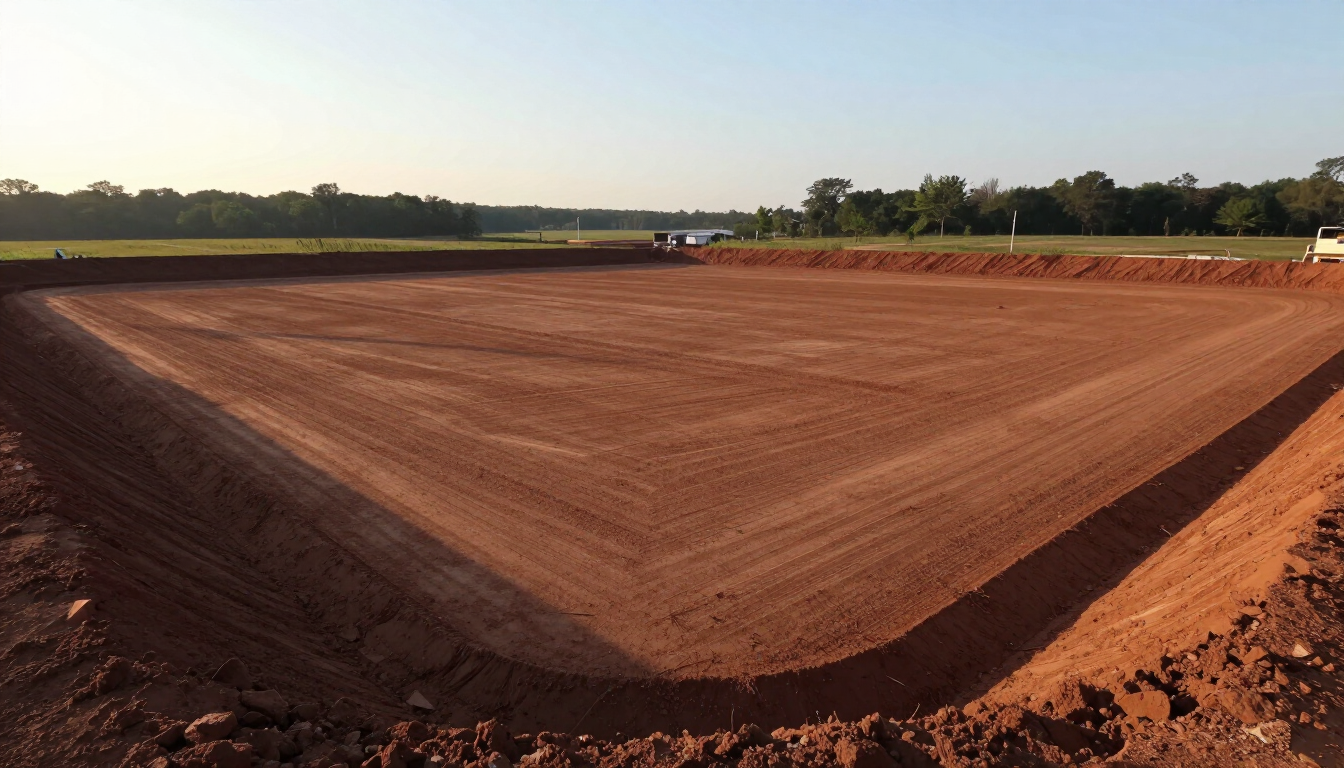
The building pad is the prepared area where the structure will be built. It needs to be located, shaped, and prepared with the future building footprint and surrounding access in mind.
Before work begins, clarify:
- The approximate building footprint and orientation
- Finished floor elevation information available from the project team
- Where entry points, loading areas, and service access may be located
- How the pad will connect to parking and surrounding grades
- Whether unsuitable soil, fill, or buried material may affect preparation
A pad that is too small, poorly positioned, or disconnected from the rest of the property can create problems later. Sharing current plans with the contractor allows the dirt work to support the actual construction layout instead of treating the pad as an isolated flat area.
How should parking areas be planned?
Parking areas need to be considered while the lot is being cleared and graded, not after the building pad is complete. Their location affects material movement, access, elevation changes, and the relationship between the building and driveways.
Discuss the intended locations of:
- Customer and employee parking
- Accessible routes and entrances
- Delivery, service, and loading areas
- Fire or emergency access routes identified by the project team
- Driveways and connections to the existing road
The goal is to prepare a site that works as a complete property. A well-positioned building pad does not solve the project if vehicles cannot move comfortably around it or if parking sits at an awkward elevation.
For related concrete work after the earthwork is ready, see Concrete Services .
Where does drainage fit into site planning?
Drainage should be discussed as part of the overall site layout. Grading determines how water moves across the property, around the building area, through parking spaces, and toward the locations established by the project design.
Business owners do not need to design drainage themselves, but they should make sure the excavation contractor, designer, and other project professionals are working from the same information. Ask how the proposed building pad, parking areas, access routes, and surrounding grades fit together.
Avoid treating low spots or water movement as an afterthought. If the contractor sees soft ground, standing water, erosion, or an existing ditch, point it out during the initial walk-through. These observations can help the project team coordinate the site more effectively.
Planning over winter for spring work
Winter can be a useful season to organize a spring commercial project. Even when heavy earthwork is not underway, owners can use the time to make decisions, gather plans, and prepare for a productive start.
Use winter to:
- Walk the property with your contractor and identify clearing needs
- Confirm the intended building, parking, access, and service areas
- Gather surveys, site plans, and available project documents
- Discuss soil conditions, existing slopes, and visible problem areas
- Call 811 before digging when ground work is ready to begin
- Choose a clear point of contact for project decisions
Planning early gives everyone a shared understanding of the work. It also makes it easier to identify questions before equipment arrives and before the site becomes active.
Shamrock Dirt & Forestry serves commercial and residential customers across Tennessee and Kentucky. Learn more on the Service Area page or contact the team to discuss your property.
What should you ask an excavation contractor?
A useful conversation should cover the complete site, not only the first task. Ask your contractor:
- What needs to be cleared, removed, protected, or preserved?
- How will the building pad connect to parking and access areas?
- What site conditions should be reviewed before dirt work begins?
- Which plans or elevations should be shared before grading?
- What should be marked before equipment arrives?
- How will questions be handled as the site develops?
The right contractor should explain the work in plain language and identify where coordination is needed. With more than 25 years of combined experience, Shamrock Dirt & Forestry helps property owners prepare land for construction, commercial improvements, and other development goals.
A practical starting point for your Jackson commercial lot
Commercial site work in Jackson, TN, starts with coordination. Walk the property, identify clearing and access needs, confirm the building and parking layout, discuss grading and drainage with the project team, and call 811 before digging. Planning these details before spring helps your contractor prepare the lot as one connected site rather than a series of separate tasks. If you are ready to evaluate your property, review Site Preparation & Finish Work and contact Shamrock Dirt & Forestry to begin the conversation.