How to Choose Old Barn Removal or Repair
An old barn, shed, or outbuilding should be repaired when its frame is sound and the space remains useful. Remove it when it creates a safety or storm risk, cannot be used economically, or blocks future plans. Leave it only when it is stable, inspected, and worth maintaining.
What Should You Check First?
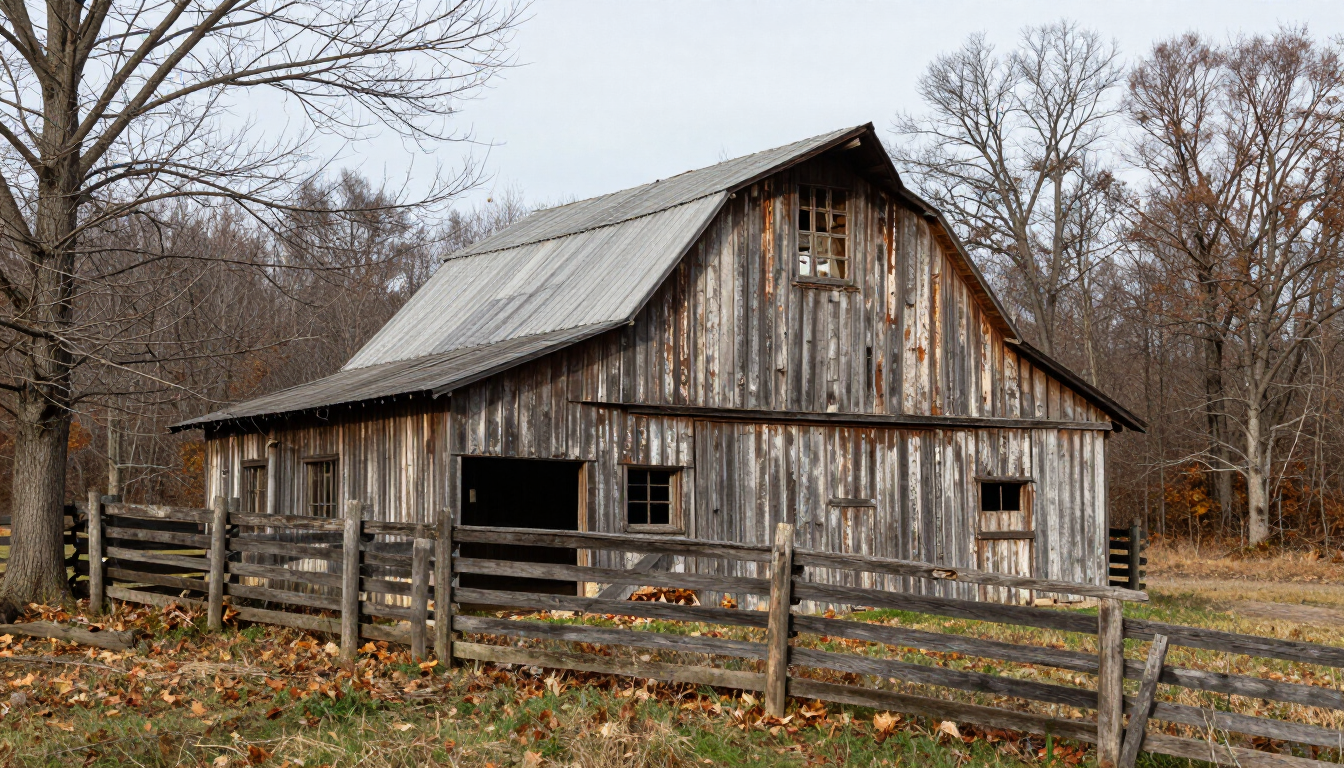
Start with a walk-around from a safe distance. Do not enter a leaning, sagging, or visibly damaged structure. Look for signs that the building may not remain stable through another season.
Check for:
- Leaning walls, bowed roof lines, or separated corners
- Broken rafters, missing roof sections, and large holes
- Rot at the bottom of posts, doors, or wall framing
- Loose metal, nails, glass, or other falling hazards
- Water collecting around the foundation or floor
Pay attention to nearby trees, power lines, fences, homes, and driveways. A structure that looks quiet on a clear day may become a problem when high winds, heavy rain, or ice put pressure on weak parts.
Is the Outbuilding Safe to Keep?
Safety should come before nostalgia or storage needs. If walls or roof sections are moving, the structure is leaning, or the floor cannot support normal use, keep people and animals away until a qualified professional evaluates it.
An aging building may also have hidden problems behind the walls or under the floor. You do not need to identify every issue yourself. Your first job is to notice warning signs and avoid taking unnecessary risks.
If testing may be needed for unknown materials, ask a qualified professional. Do not disturb questionable materials simply to see what is underneath.
When Does Repair Make Sense?
Repair is usually worth considering when the main frame is straight, the foundation or supports are stable, and the building still serves a clear purpose. A barn may be useful for equipment, livestock, workshop space, or covered storage. A shed may be worth keeping for tools or seasonal items.
Repair is a stronger option when:
- The roof can be restored without rebuilding the entire structure.
- Posts and framing are mostly solid.
- Water can be kept out after repairs.
- The layout fits how you plan to use the building.
- The property owner is prepared to maintain it regularly.
Do not repair a structure just because it has sentimental value if it remains dangerous or unusable. A qualified contractor can help separate surface damage from deeper structural problems.
When Is Old Barn Removal the Better Choice?
Old barn removal may be the better choice when the building has become a hazard, has little usable space, or would require extensive work to remain standing. Removal can also make sense when you want to improve visibility, open a driveway, prepare land for a new structure, or reclaim overgrown space.
Consider removal if:
- The structure is leaning or partially collapsed.
- The roof or walls are failing in several areas.
- Storm damage has made the building unstable.
- Animals, children, or visitors could enter unsafe areas.
- Repairs would not restore practical use.
- The building prevents better use of the property.
A demolition contractor should review the structure and surroundings before work begins. Safe removal is planned around the building’s condition, nearby improvements, access for equipment, and where debris can be placed.
For related work, see our Demolition Services and Property & Brush Clearing pages.
Could Winter Make the Problem Worse?
Winter weather can turn a manageable maintenance issue into an urgent one. Wind can pull at loose siding and roofing. Rain can add weight to damaged areas and wash soil away from supports. Ice and wet ground can make access harder and increase the chance of falling debris.
Before winter, ask:
- Could a strong wind push this structure into a road, fence, or neighboring property?
- Is loose roofing close to a home, driveway, or area people use?
- Will snow, rain, or ice collect on already weak sections?
- Can emergency vehicles and household traffic get around it safely?
- Is water flowing toward the building or its foundation?
If the answers raise concern, keep clear of the structure and contact a qualified professional. Temporary barriers may help keep people away, but they do not make an unstable building safe.
What Happens During Removal and Cleanup?
A typical removal project begins with an assessment of the building, site access, surrounding hazards, and the owner’s goals. The contractor then plans how to take the structure down safely and how to handle the resulting debris.
Removal and cleanup may include:
- Inspecting the structure and identifying unsafe areas.
- Preparing a safe work zone around the building.
- Taking down the barn, shed, or outbuilding in a controlled manner.
- Separating or loading wood, metal, roofing, and other debris as appropriate.
- Removing remaining materials from the work area.
- Clearing loose pieces and rough debris from the ground.
- Grading or leveling the site when that is part of the project.
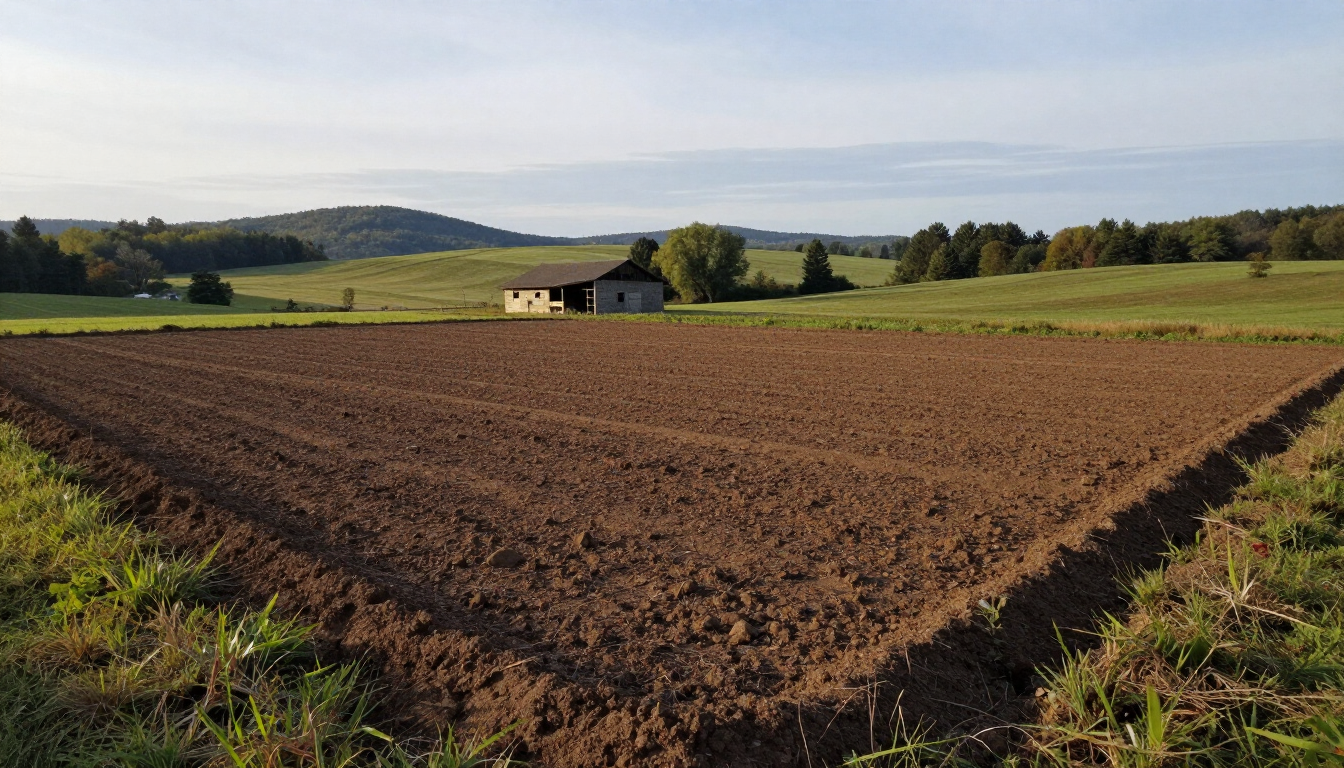
The final condition depends on the building, the ground, and what you want to do next. If the space will become a driveway, garden, building site, or open yard, ask about Site Preparation & Finish Work . If significant digging or soil movement is needed, Excavation & Dirt Work may also be relevant.
Repair, Remove, or Leave It?
Use this simple comparison as a starting point:
| Condition | Best next step | |---|---| | Stable frame, useful space, manageable damage | Consider repair | | Stable but unused structure with possible future value | Leave it after a professional check | | Leaning, collapsing, or storm-damaged structure | Arrange a professional evaluation for removal | | Structure blocking a planned improvement | Compare removal with your site goals | | Unclear condition or hidden damage | Do not enter; seek qualified advice |
This is not a substitute for an on-site assessment. Buildings can look better or worse than they are, and conditions may change quickly after storms.
How Can You Prepare the Property Owner’s Decision?
Before calling a contractor, gather a few practical details. Take photos from outside, note the building’s approximate size, and identify anything close by that could affect the work. Think about what you want the area to become after the structure is repaired or removed.
Useful questions include:
- Is the building still needed for storage, animals, or equipment?
- What would make the property more useful after the work?
- Are there narrow gates, soft ground, slopes, or overhead obstacles?
- Has a recent storm changed the building’s condition?
- Do you want the site left open, cleared, or prepared for another project?
Clear goals help a contractor recommend the right kind of work instead of treating removal as a standalone task.
What Should You Do Next?
If your old barn or shed is stable and useful, arrange an evaluation and plan repairs before winter weather exposes more damage. If it is leaning, failing, or no longer serves a purpose, professional removal may create a safer and more useful property. Do not enter an unstable structure or disturb unknown materials. Photograph the site, identify your goal for the space, and contact an experienced contractor for an on-site assessment. Shamrock Dirt & Forestry serves property owners across Tennessee and Kentucky with demolition , clearing, excavation, and site preparation support. You can also contact our team to discuss the property and next step.