How to Plan Pasture Clearing West Tennessee
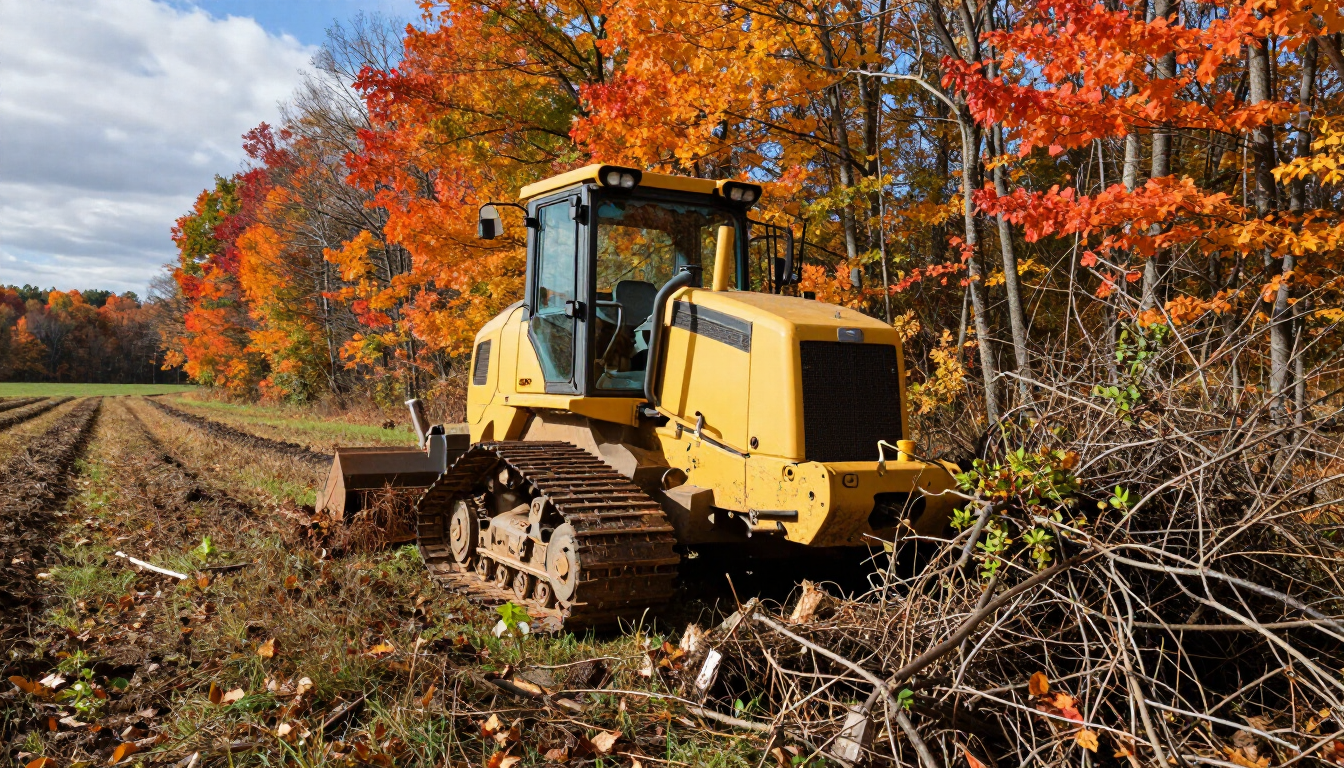
Pasture clearing in West Tennessee turns brushy, underused ground into more workable space for grazing or hay. The process usually includes removing brush and young trees, opening overgrown fence rows, addressing stumps, and smoothing disturbed areas. Late fall is often a practical season because leaves are down and the ground is firming up.
What does pasture clearing involve?
Pasture reclamation is more than cutting back whatever is easiest to reach. A contractor looks at the whole field and identifies the brush, young trees, fence rows, stumps, and uneven areas that keep the ground from being useful.
For farmers and agricultural landowners, the goal may be to create more open grazing space, make haying easier, improve access between fields, or bring neglected ground back into productive use. The right approach depends on the condition of the property and how you plan to use it.
Common parts of a pasture clearing project include:
- Removing heavy brush and young trees from open field areas
- Clearing overgrown fence rows and improving equipment access
- Cutting, grinding, or removing stumps that interfere with field use
- Moving loose debris away from usable pasture
- Smoothing and finishing disturbed areas where appropriate
For a broader look at available land services, visit Shamrock Dirt & Forestry’s Property & Brush Clearing page.
Which parts of an overgrown pasture need attention first?
A field does not always need every tree or every piece of brush removed. The first priority is usually the growth that blocks access, reduces usable acreage, or creates problems along boundaries and working areas.
Brush and young trees
Brush can spread quickly along field edges and take over areas that were once easy to mow or graze. Young trees may also become difficult obstacles as they grow. Clearing these areas can open the pasture and make future maintenance more manageable.
Fence rows
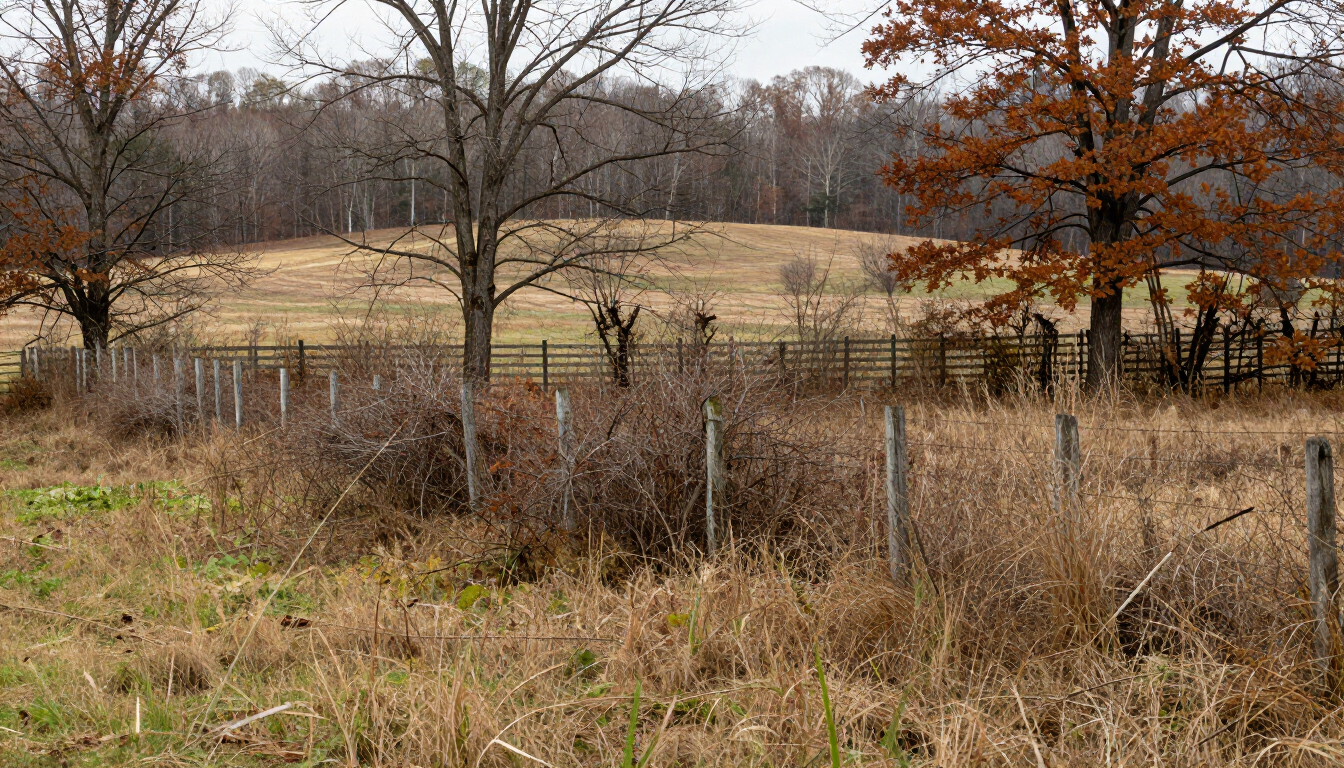
Old fence rows often collect vines, brush, fallen limbs, and volunteer trees. They can hide damaged posts and make it hard to inspect or repair fencing. Opening these rows improves visibility and creates a cleaner boundary between fields, woods, and neighboring properties.
Existing fence lines should be discussed before work begins. A contractor needs to understand which fencing should remain, which areas need access, and whether the work could affect gates or property boundaries.
Stumps and hidden obstacles
A field may look open after brush is removed but still contain stumps and larger roots below or near the surface. These obstacles can interfere with mowing, hay equipment, grazing access, and future field maintenance.
The best way to handle stumps depends on their size, location, and the intended use of the pasture. Ask how visible stumps, buried roots, and resulting rough spots will be addressed before the work starts.
Why is late fall a good time to clear pasture?
Late fall can be a practical season for pasture clearing in West Tennessee and Kentucky. Leaves are down, which makes brush and small trees easier to see. Cooler conditions can also make outdoor site work more manageable, while firmer ground may help equipment move through the property with less disruption than softer conditions.
Fall clearing also gives landowners a chance to evaluate their fields before the next growing season. With the vegetation less dense, it is easier to see fence rows, low areas, access points, and sections that have gradually become unusable.
That does not mean every property has the same conditions. Soil, recent weather, terrain, drainage, and the density of the growth all matter. A site visit is the best way to decide what can be cleared and how equipment should reach the field.
What should farmers expect from the clearing process?
A pasture clearing project usually starts with a property review. The contractor walks the area, discusses the intended use, and identifies important features such as fences, gates, utility locations, wet spots, steep ground, buildings, and access routes.
Before equipment arrives, it helps to communicate:
- Which portions of the property should be cleared.
- Whether the priority is grazing, hay production, access, or general reclamation.
- Which fence lines, trees, gates, or structures must remain.
- Where equipment can enter and move safely.
- How you want the finished areas to look and function.
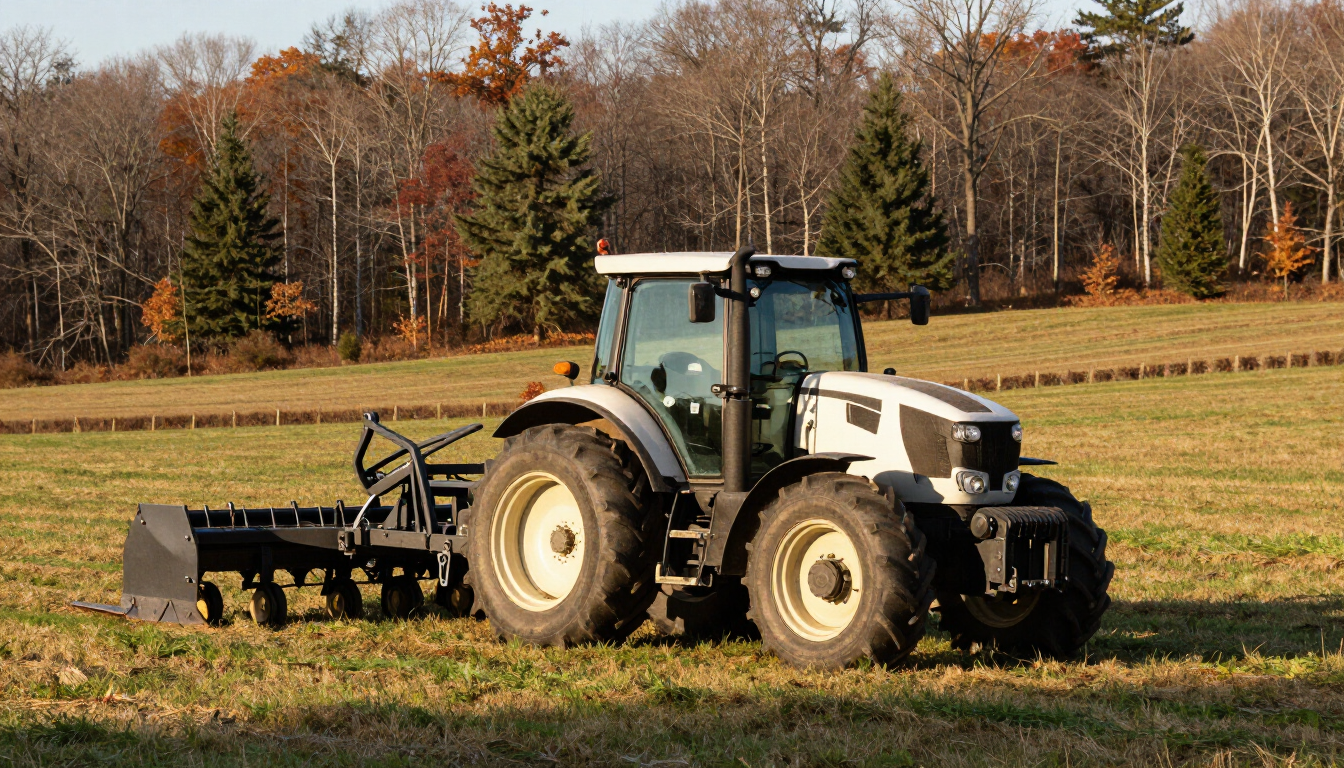
The work itself may involve mechanical clearing, brush processing, stump work, and finish grading or cleanup where needed. The exact combination depends on the site rather than a one-size-fits-all checklist.
If the project also involves uneven ground or earth movement, Shamrock’s Excavation & Dirt Work service may be relevant. For areas that need broader preparation, see Site Preparation & Finish Work .
How can you prepare your property before work begins?
A little preparation can help the project move smoothly and reduce confusion in the field. Walk the property ahead of the site visit and make notes about anything that matters to your farm operation.
- Mark or clearly identify property boundaries and important fence lines.
- Point out gates, water sources, buildings, buried features, and access roads.
- Remove personal equipment, movable panels, and loose items from work areas.
- Identify trees or habitat areas that should remain.
- Keep livestock and people away from active equipment areas.
It is also useful to gather any information you have about the field’s history. Old fence locations, former access lanes, drainage trouble spots, and previous clearing work can help the contractor understand what is below or just beyond the visible growth.
What does a finished reclaimed pasture look like?
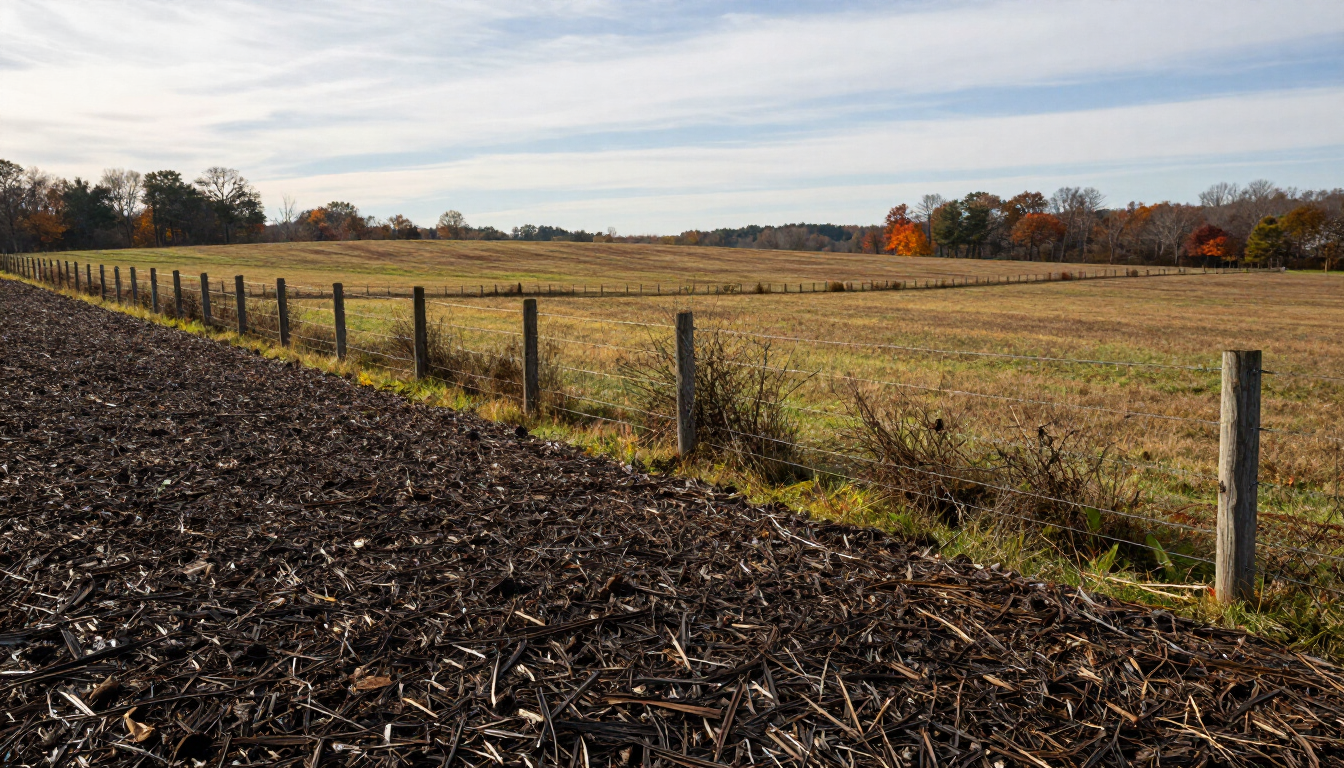
A finished pasture does not necessarily mean every tree has been removed. In many cases, the best result is an open, usable field with selected trees or natural boundaries left in place. The important question is whether the cleared area supports the way you plan to use it.
Depending on the project, a finished area may have:
- More open ground for grazing or hay
- Cleaner and more visible fence rows
- Better access for farm equipment
- Fewer stumps and brush obstacles
- A more manageable field edge for future upkeep
When should you contact a pasture clearing contractor?
Contact a contractor when brush is reducing usable field space, young trees are becoming established, fence rows are difficult to inspect, or stumps and debris are interfering with farm equipment. It is also worth asking for an evaluation when you are unsure whether a field needs selective clearing or a more complete reclamation effort.
Shamrock Dirt & Forestry serves agricultural and rural properties across Tennessee and Kentucky. The team can review the site, discuss your goals, and explain which services fit the condition of the land. You can also explore the company’s Service Area or contact Shamrock to request a quote.
Key takeaways
- Pasture clearing can reclaim ground lost to brush, young trees, fence-row growth, and stumps.
- Late fall offers better visibility of field conditions because leaves are down.
- The right scope depends on whether you want grazing space, hay ground, access, or general reclamation.
- Discuss fences, boundaries, access, livestock, and features that should remain before work begins.
- A site review is the next step when you need to decide how much clearing your pasture needs.
For farmers in West Tennessee and Kentucky, the practical next step is to walk the property, identify the areas that are limiting use, and schedule a conversation with a qualified land clearing contractor. A clear plan can help turn an overgrown field into more useful agricultural ground without removing features that matter to your operation.