5 Tips for Barn Demolition in Gibson County
Barn demolition in Gibson County is safest and most efficient when you first decide whether the structure can be repaired, confirm equipment access, plan debris hauling, and choose the site’s next use. Older barns and sheds may also need professional testing before work begins, especially when materials or conditions are uncertain.
Should you repair or demolish the old barn?
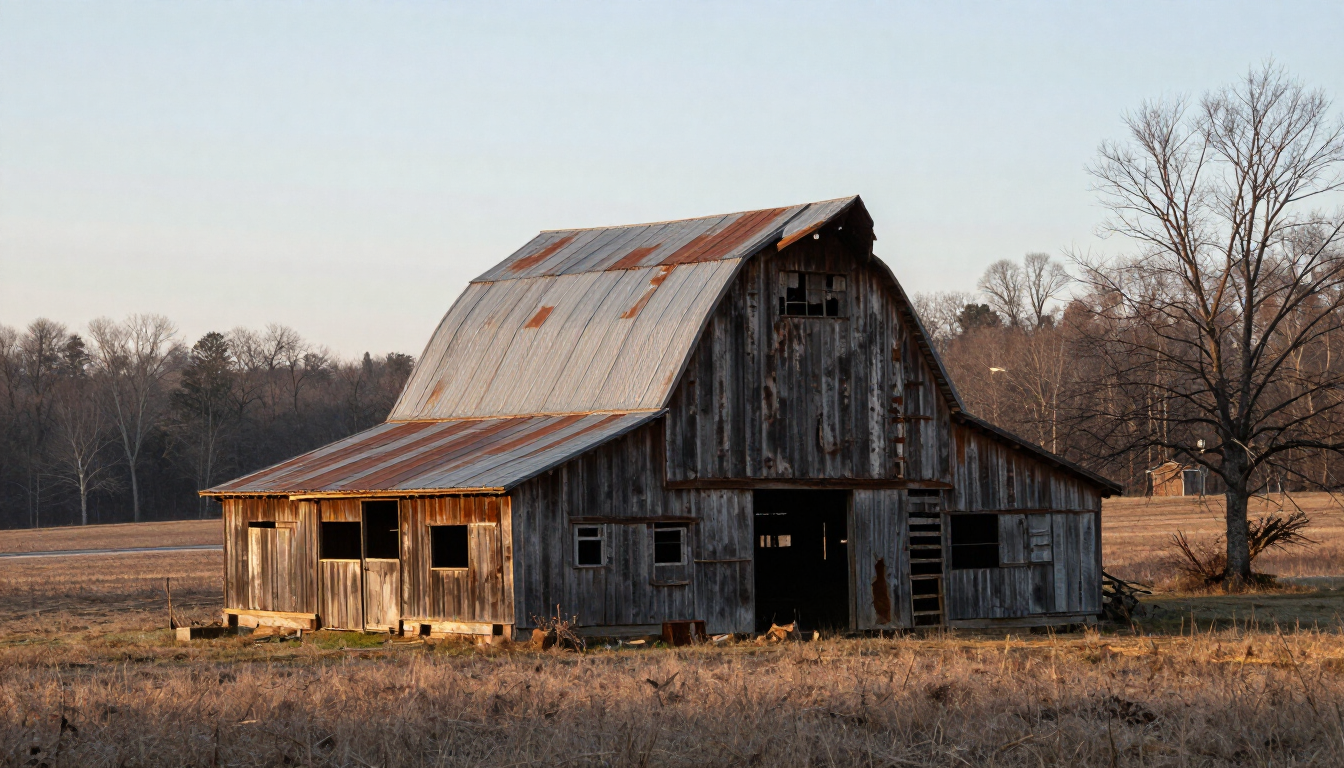
The first question is not always, “How quickly can it come down?” Sometimes an older barn or shed still has useful life. Other times, continued repairs only delay the larger job.
A repair may make sense when:
- The main framing is stable and reasonably straight.
- The roof and walls can be restored without rebuilding most of the structure.
- The building still serves a practical purpose, such as storage.
- The surrounding ground drains well and does not threaten the foundation.
Demolition is often the better choice when the structure has severe rot, major leaning, damaged supports, an unsafe roof, or years of neglected maintenance. A building that looks manageable from the driveway may have hidden weaknesses once equipment or workers are nearby.
If you are unsure, have the structure evaluated before making a final decision. Older structures may require professional testing before demolition or reuse. A qualified contractor can also help separate the building itself from the surrounding site work.
What should you check before barn demolition in Gibson County?
Walk the property with the project in mind. Look beyond the barn and consider everything that could affect safe access, removal, and cleanup.
Check these conditions first:
- Structural condition: Look for leaning walls, sagging roofs, broken trusses, and unstable doors or siding.
- Nearby features: Note fences, trees, utility lines, wells, septic components, driveways, and other buildings.
- Ground conditions: Winter mud, soft soil, standing water, and steep slopes can limit equipment movement.
- Stored materials: Remove personal belongings, tools, animals, and loose items before the crew arrives.
- Future plans: Decide whether the cleared area will become a driveway, building pad, parking area, pasture, garden, or open yard.
A clear plan helps the contractor choose the right sequence. It also reduces surprises when demolition transitions into excavation, grading, or finish work.
Winter access and site planning
Winter can be a practical season for some demolition projects, but weather changes the way a site must be approached. Frozen ground may support equipment one day and turn soft after thawing or rain. A narrow lane can become difficult to use when trucks and machinery need to work together.
Before scheduling, consider:
- The width and surface of the driveway.
- Turning room for hauling vehicles.
- Low branches or overhead obstructions.
- Gates, bridges, culverts, and soft shoulders.
- A staging area for equipment and sorted debris.
- Whether wet conditions could damage the lawn or adjoining fields.
Good access is more than convenience. It helps the crew position equipment safely, keeps hauling organized, and limits unnecessary disturbance to the rest of the property. If the barn sits behind a home or down a narrow lane, a site visit is especially useful.
For related earthwork after the structure is removed, see our Excavation & Dirt Work and Site Preparation & Finish Work services.
How does the demolition process usually work?
Every property is different, but a typical outbuilding demolition follows a straightforward sequence:
- Review the structure and property. The contractor identifies hazards, access limits, nearby features, and the likely work area.
- Prepare the site. Contents are removed, access is opened, and the work zone is organized.
- Take down the structure. The crew uses an appropriate method for the building’s condition and surroundings.
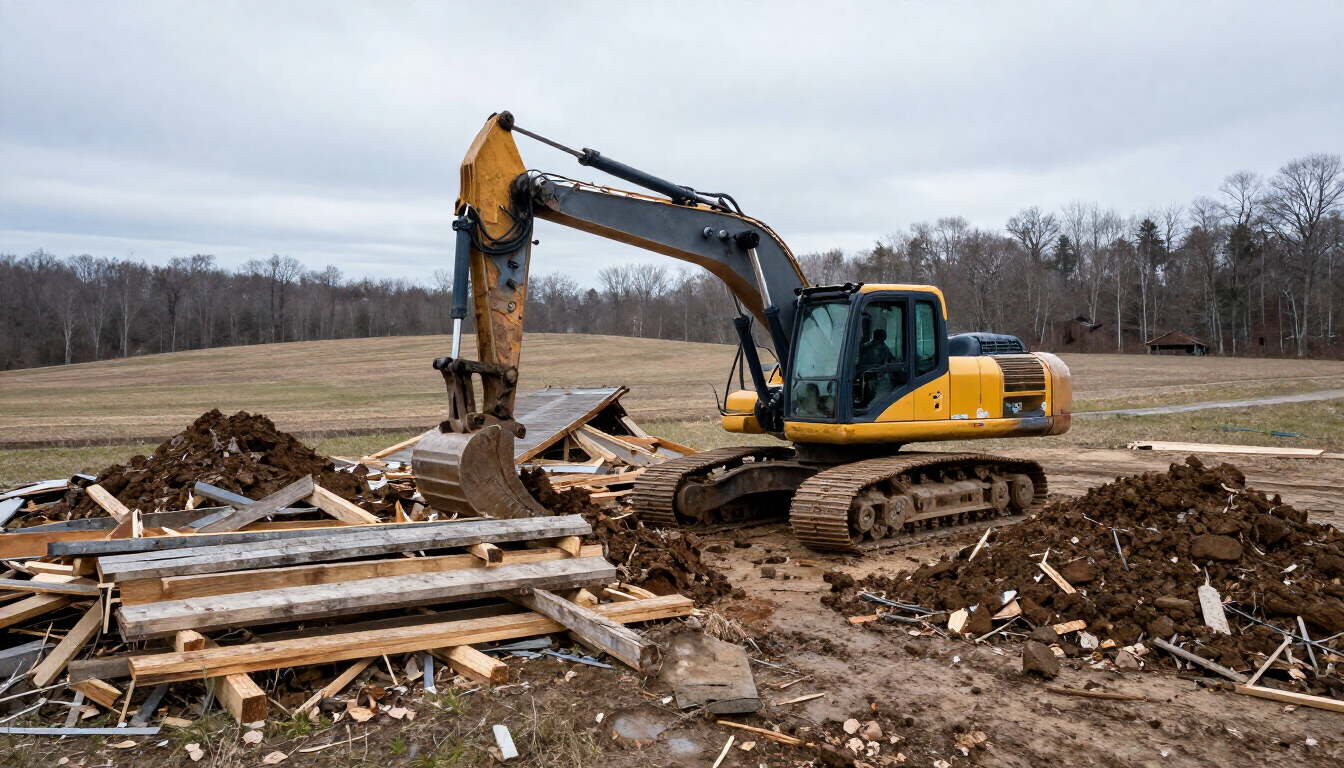
- Sort and load debris. Usable materials, scrap, wood, roofing, and general waste may be separated when practical.
- Remove remaining obstructions. Foundations, posts, slabs, nails, and buried remnants are addressed according to the project plan.
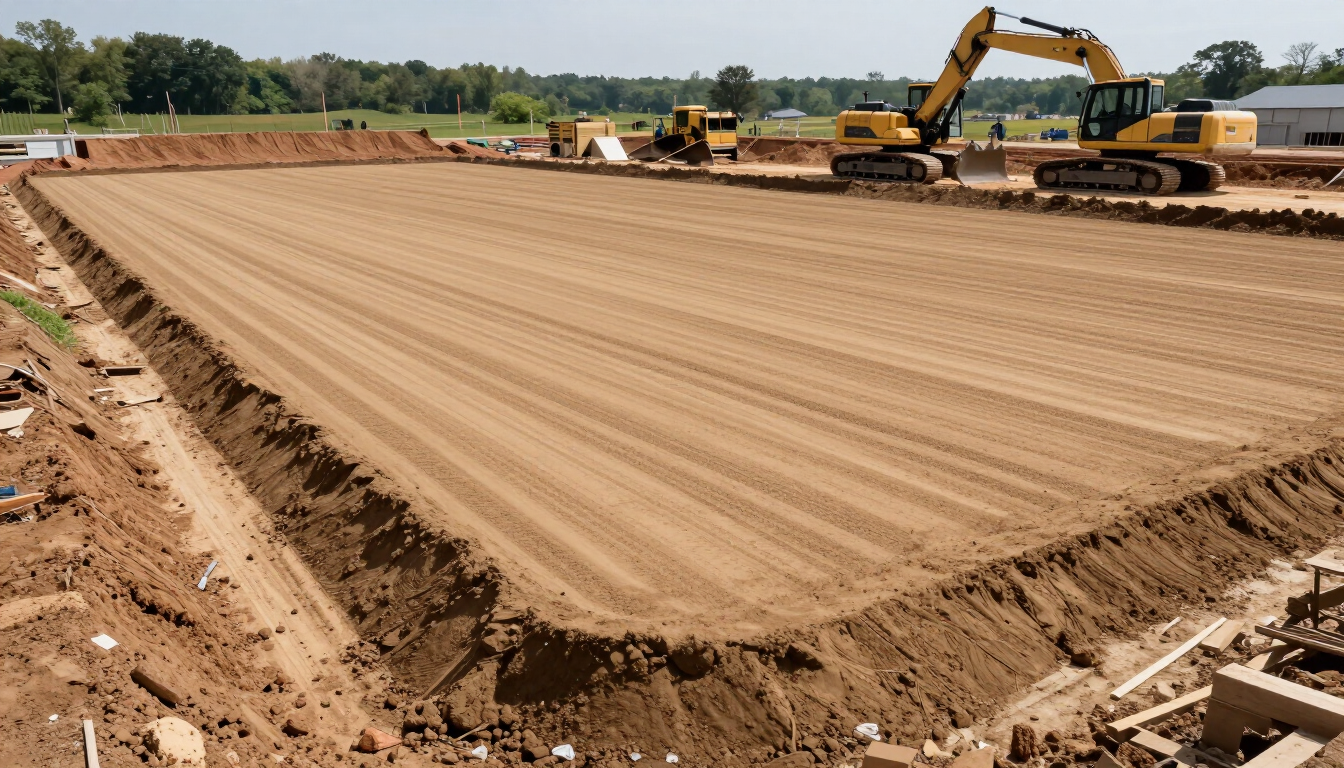
- Grade and leave the site ready. The ground is shaped for its next use, whether that means a clean lawn, driveway, pad, or open area.
The safest approach is controlled removal rather than simply pulling at the building and hoping everything falls in the right direction. The demolition method should match the structure, available space, equipment access, and final site goal.
What happens to the debris after demolition?
Debris handling should be discussed before work starts. An old barn can contain a surprising mix of wood, metal roofing, concrete, wire, glass, and personal belongings. Leaving the cleanup plan until the end can slow the project and make the site harder to use.
Ask what the work plan includes:
- Loading and hauling the demolition debris.
- Separating recyclable or reusable material when practical.
- Removing nails, sharp metal, broken boards, and scattered pieces.
- Handling concrete pads, footings, posts, or other remaining material.
- Cleaning the work area before grading begins.
Some owners want to save sound barn boards, beams, doors, or corrugated metal. If you hope to reuse materials, identify them before demolition begins. Salvage takes time and must be weighed against the condition, safety, and effort required to remove each item.
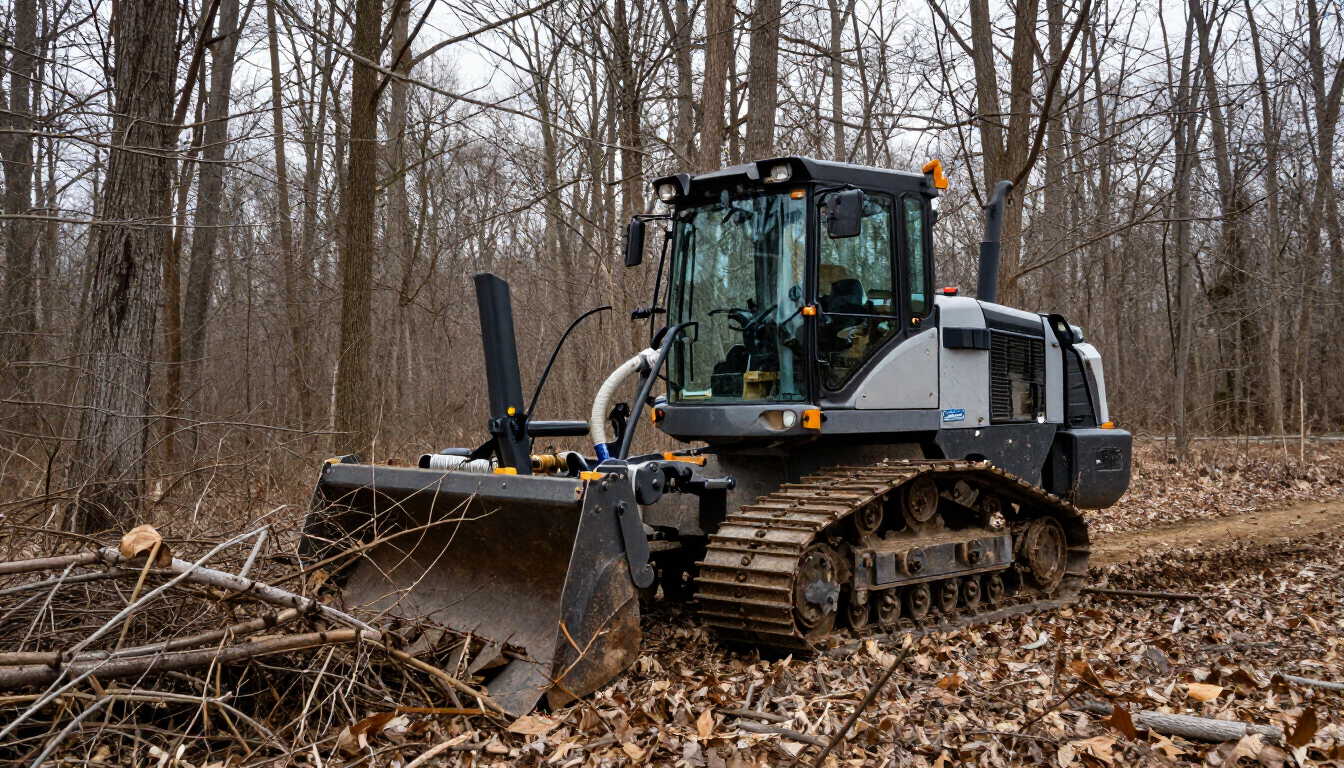
Shamrock Dirt & Forestry can coordinate demolition and related dirt work through our Demolition Services and Property & Brush Clearing services.
Reusing the cleared site
A cleared area does not have to remain empty. With the right grading and drainage plan, it may become a more useful part of the property.
Common next steps include:
- Preparing a level area for a future outbuilding.
- Extending a driveway or creating additional parking.
- Opening space for pasture, a garden, or landscaping.
- Building a mobile home site or other prepared area.
- Improving drainage and restoring a safe, manageable yard.
The best result depends on what the ground can support and how water moves across the property. A demolition contractor who also performs excavation and site preparation can plan removal and reuse together, rather than treating them as unrelated jobs.
A practical winter demolition checklist
Before calling a contractor, gather a few details about the property:
- What is the structure used for now?
- Which items need to be removed or saved?
- How can trucks and equipment reach the building?
- What nearby trees, fences, utilities, or structures need protection?
- What should the cleared site become?
Photos from several angles can help with an initial conversation, but they do not replace an on-site review. Be candid about unstable areas, buried debris, drainage problems, and previous additions. Accurate information helps the contractor plan the work more effectively.
When should you call a demolition contractor?
Call before the barn becomes an emergency. If walls are leaning, the roof is failing, or people and animals are still entering the structure, limit access and arrange a professional evaluation. Do not climb onto a weakened roof or enter areas that appear unstable.
A contractor can help you compare repair and demolition, evaluate equipment access, organize debris hauling, and connect the removal work to your next land-use goal. For local help, review our Service Area or Contact page.
Key takeaways
Barn demolition in Gibson County is easier to manage when the decision, access plan, debris plan, and future site use are considered together. Repair may be worthwhile when the structure remains sound, while demolition is usually more practical for severely deteriorated or unsafe buildings. Older structures may need professional testing before work begins. Clear access, organized hauling, and proper grading can turn a difficult cleanup into a useful new site. Start by documenting the building, deciding what to save, and arranging an on-site conversation with an experienced demolition and site-work contractor.