Fall Pond Maintenance Checklist for Farm Ponds
A fall pond maintenance checklist includes removing organic debris, controlling overgrown vegetation, and testing water quality before winter. Taking these steps prevents algae blooms and oxygen depletion, ensuring your farm pond stays healthy for livestock or recreation throughout the colder months in Tennessee and Kentucky.
Owning a rural property in Tennessee or Kentucky often means managing at least one pond. Whether it’s a watering hole for cattle or a quiet spot for fishing, that pond is a living ecosystem that needs a little help as the seasons change. With over 25 years of experience at Shamrock Dirt & Forestry, we’ve seen how a few simple chores in the fall can save you a mountain of work in the spring. Fall is the transitional period where the summer heat fades, and the pond prepares for the dormancy of winter. If you neglect it now, you might be facing a murky, smelly mess come April.
Why is fall the best time for pond maintenance?
Fall is the ideal time to get your pond in order because the water temperature begins to drop, which naturally slows down the biological processes inside. During the summer, your pond is a flurry of activity—algae grows fast, fish are active, and plants are in full bloom. As the air turns crisp in our region, the pond starts to "settle." If you tackle maintenance now, you are essentially cleaning the house before the long winter sleep.
One of the biggest reasons to focus on fall care is to manage the "organic load." In simple terms, this is all the stuff that falls into your pond and eventually rots. If you leave a thick layer of leaves and dead grass to sink to the bottom, they will decompose over the winter. This decomposition uses up oxygen, which can be hard on any fish you might have. By cleaning up now, you ensure that the water stays clear and the oxygen levels stay high. It’s much easier to pull a branch out of the water today than it is to dredge up decayed muck next year.
Clearing Out Organic Debris and Leaves
In Tennessee and Kentucky, we are blessed with beautiful hardwood trees, but those oaks and maples can be a real headache for pond owners. When those leaves drop, a significant portion ends up in your pond. If they aren’t removed, they sink and turn into a layer of black sludge. This sludge is the perfect fuel for algae blooms next summer. Part of a solid fall pond maintenance checklist is being proactive about what is entering the water.
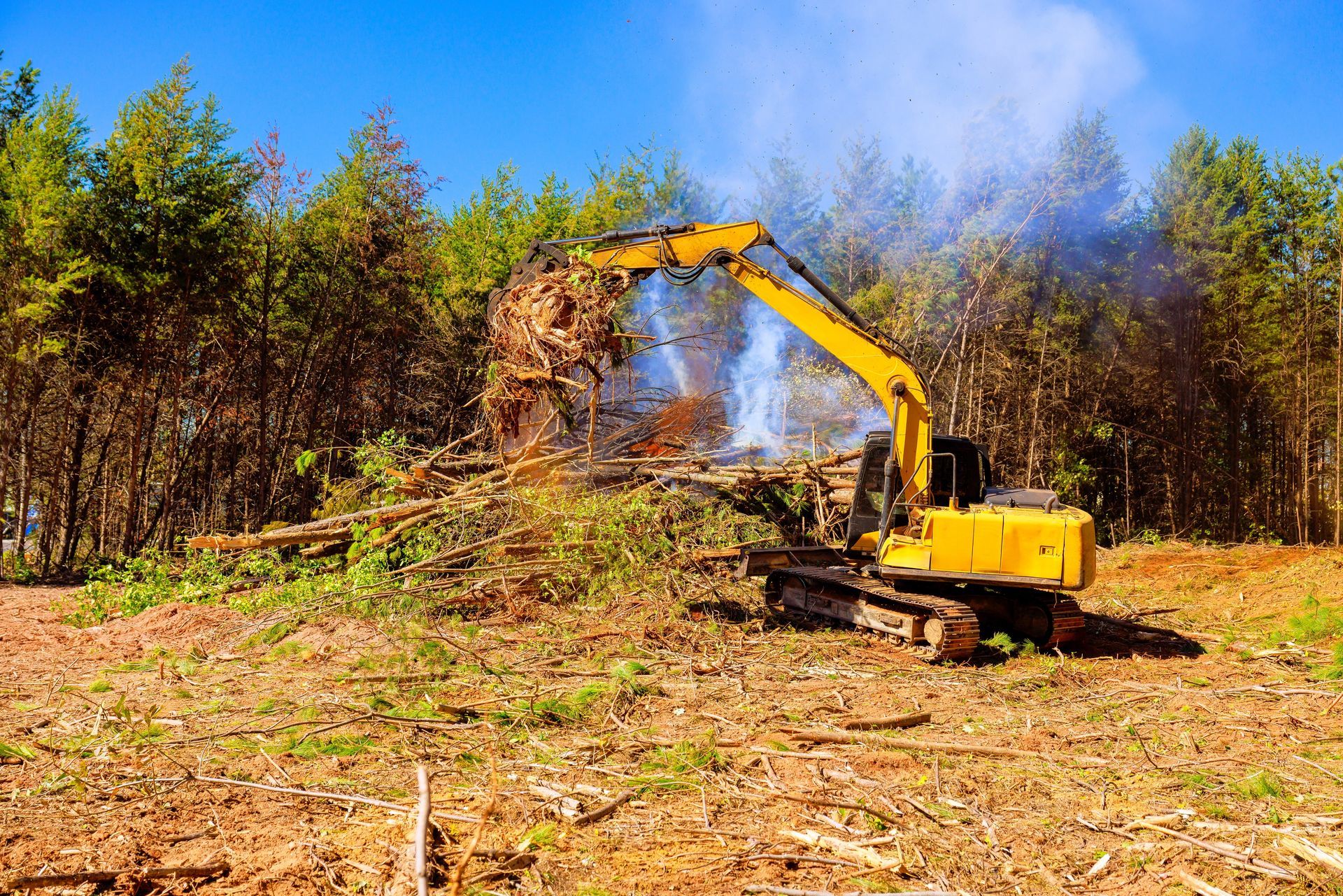
Here is how you should handle debris this season:
- Skim the surface regularly to catch leaves before they sink.
- Clear out any fallen limbs or branches that have blown in during fall storms.
- Cut back tall grasses around the perimeter that might fall over into the water.
- Clean out the areas where water flows into the pond to prevent clogs.
- Remove any trash or wind-blown items that have gathered near the banks.
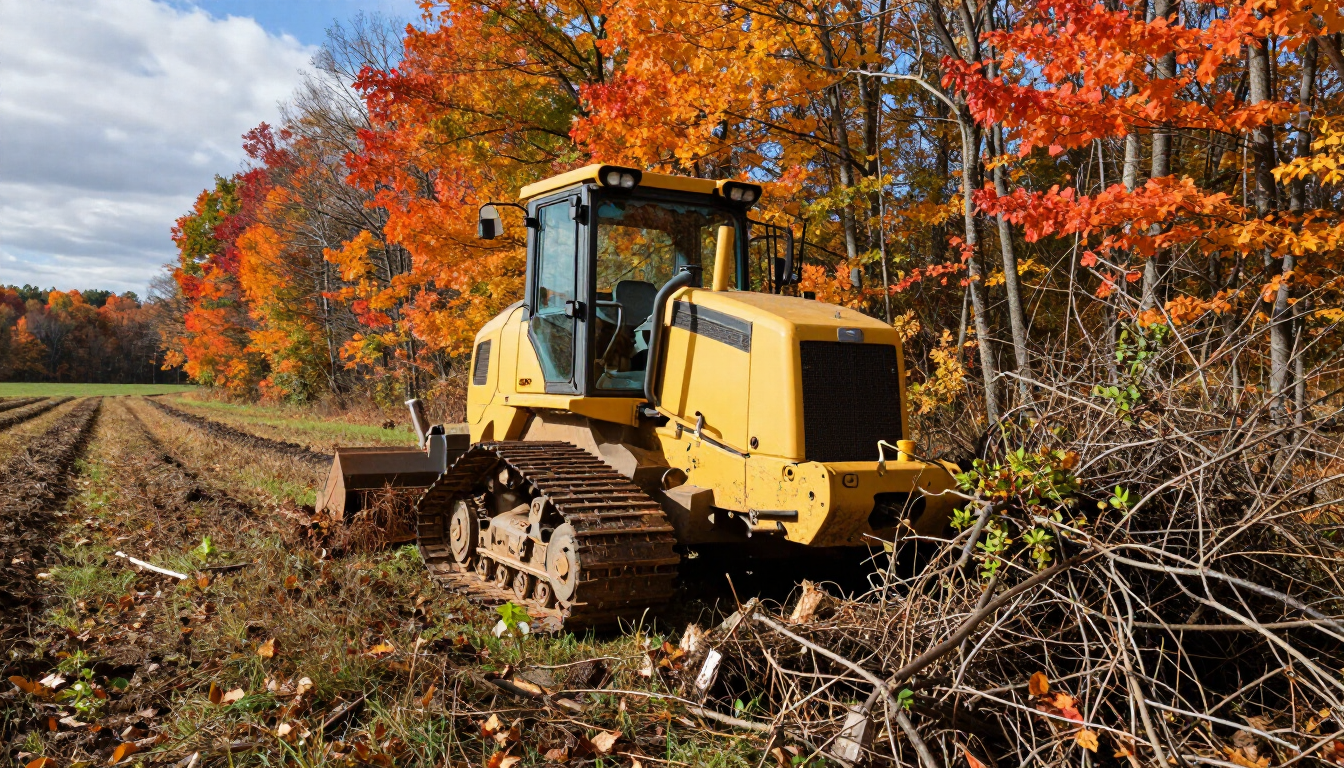
If you have thick brush growing right up to the edge of your pond, it might be time to consider professional Property & Brush Clearing . Removing that excess growth now means fewer leaves in the water later. It also makes it easier for you to access the pond for fishing or checking on your livestock.
How do you manage pond vegetation before winter?
Vegetation is a natural part of a healthy pond, but it can quickly get out of hand. In the fall, many of the aquatic plants that thrived in the summer heat will start to turn brown and die back. This includes things like cattails, lily pads, and various types of pondweed. While it might seem like nature is taking care of itself, leaving all that dead plant material in the water is a recipe for trouble. As these plants die, they fall into the pond and contribute to that muck layer we mentioned earlier.
Managing vegetation doesn't have to be complicated. You want to aim for a balance. You don't need to strip every single plant away, but you should trim back the ones that have become overgrown. Trimming cattails back to just above the waterline can prevent them from dropping their heavy stalks into the pond over the winter. This also helps you see the actual bank of your pond more clearly, which is important for spotting any issues with erosion or animal burrows.
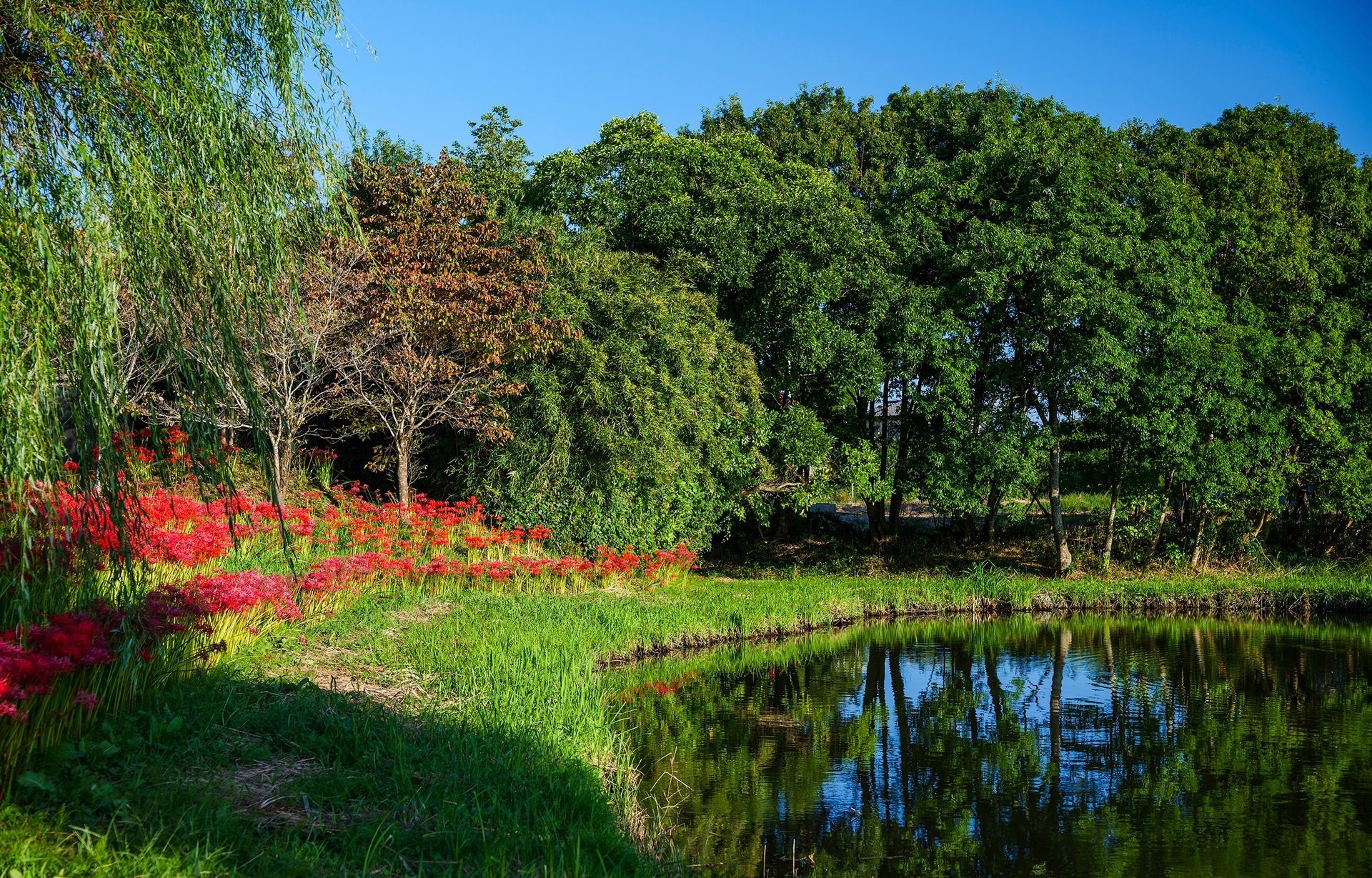
For larger properties where the growth has become a wall of green, you might need more than just a pair of shears. Sometimes, Excavation & Dirt Work is needed to reshape the banks or remove large stands of invasive plants that are choking out the pond. Getting a handle on these plants now prevents them from coming back even stronger in the spring.
Monitoring Water Quality for Healthier Ponds
Water quality isn't just about how the pond looks; it’s about the chemical balance that keeps the ecosystem alive. As a pond contractor, we always tell folks that clear water doesn't always mean healthy water. In the fall, the water goes through a process called "turnover." As the surface water cools, it becomes denser and sinks, forcing the warmer, deeper water to rise. This mixing can sometimes bring up gases and low-oxygen water from the bottom, which can stress your fish.
Checking your water quality in the fall involves a few simple observations:
- Look for sudden changes in water color, which could signal a turnover or an algae shift.
- Watch for any unusual smells, like a rotten egg scent, which indicates high gas levels.
- Observe your fish (if you have them) to see if they are gasping at the surface.
- Check the clarity of the water to see if silt is washing in from nearby fields.
- Ensure that livestock aren't heavily polluting one specific area of the pond.
If you notice that your pond is constantly muddy or has a thick layer of green film, it might be time for more intensive Pond Construction & Maintenance . Sometimes, adding a bit of fresh dirt to the banks or adjusting the grade can stop runoff from ruining your water quality. Maintaining good water is especially vital if your pond is the primary source of hydration for your animals.
Why does water quality shift in the autumn?
The primary reason for water quality shifts during the fall is the change in temperature and the influx of organic material. In Tennessee and Kentucky, our autumns can be unpredictable. We might have a week of 80-degree days followed by a sudden frost. These rapid changes stress the pond's natural balance. When a large amount of organic matter (like leaves) hits the water at the same time the temperature drops, the pond's natural bacteria can't keep up with the decomposition.
This imbalance is why a fall pond maintenance checklist is so important. By manually removing the debris, you take the pressure off the pond's biological system. Think of it like taking the trash out of your house. If you keep the trash inside, the air quality goes down. If you move it to the curb, the house stays fresh. Your pond works the same way. Keeping the water clean during the fall ensures that when the ice (or just very cold water) sets in, the environment remains stable for the organisms living inside.
Professional Maintenance vs. DIY Care
Many pond owners take a do-it-yourself approach to maintenance, and for small tasks like skimming leaves, that works perfectly fine. However, there comes a point where the size of the pond or the extent of the growth requires professional equipment. If you find yourself struggling to keep up with the brush or if your pond is losing depth because of years of muck buildup, calling in an expert can save you time and money in the long run.
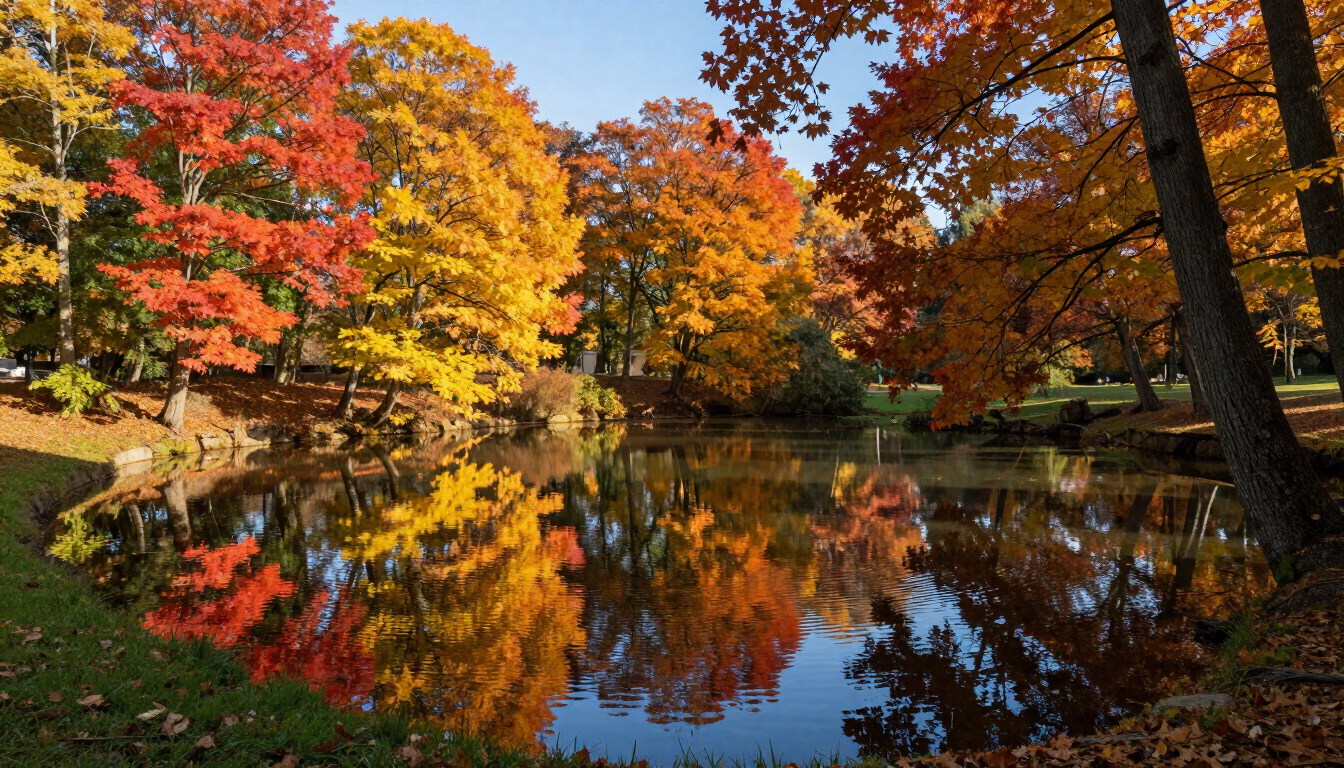
Professional pond contractors have the tools to handle the heavy lifting. Whether it’s clearing out acres of overgrown banks or using machinery to remove years of accumulated debris, the experts at Shamrock Dirt & Forestry can help. We understand the specific soil and climate conditions in Tennessee and Kentucky, which allows us to provide solutions that actually last. Sometimes, a pond just needs a "reset" to get back to its best state, and fall is the perfect time for that.
Should you call a contractor for your pond?
You should consider calling a professional if you notice the following issues:
- The banks are so overgrown you can't reach the water.
- The pond is noticeably shallower than it was a few years ago.
- You have large trees growing on the banks that could fall in.
- There is significant erosion occurring every time it rains.
- You want to expand the pond or change its shape for better use.
Maintaining a pond is a year-round job, but the work you do in the fall is arguably the most impactful. It sets the stage for a beautiful, functional property for the following year. If you're ready to get your property in top shape, don't hesitate to reach out to us. We’re here to help you make sense of your land and keep your ponds in great condition. You can always Contact us to discuss your specific needs.
In summary, staying on top of your fall pond maintenance is the best way to ensure a healthy ecosystem for years to come. By following this simple checklist—clearing debris, managing vegetation, and monitoring water quality—you’ll prevent the most common problems that plague rural property owners. Remember that a little effort now prevents a lot of headaches later.
Core Takeaways for Fall Pond Care:
- Remove leaves and branches before they sink and turn into muck.
- Trim back dying vegetation to maintain a healthy oxygen balance.
- Monitor water clarity and smell to catch quality issues early.
- Consider professional help for heavy clearing or excavation needs.
- Prepare the pond now to enjoy clear, healthy water in the spring.