6 Signs Your Land Needs Brush Clearing This Fall
You need brush clearing before winter if you notice lost access, hidden drainage issues, pest infestations, or visibility hazards along fence lines. Clearing now prevents snow from weighing down vegetation, protects your infrastructure, and ensures your land is ready for immediate spring use, agricultural grazing, or future construction projects.
Why should you clear brush before the first freeze?
If you have lived in Tennessee or Kentucky for any length of time, you know that our winters can be unpredictable. One day it is fifty degrees and sunny, and the next, we are looking at a sheet of ice or a heavy blanket of wet snow. For rural landowners, this transition period in late autumn is the absolute best time to evaluate the state of your acreage. When the leaves start to drop, you finally get a clear look at what has been growing in the shadows all summer.
Professional property and brush clearing isn’t just about making the place look tidy for the holidays. It is a strategic move to protect your investment. Overgrown brush acts like a sponge for winter moisture, which can lead to rot, mold, and structural damage to fences or outbuildings. By handling these issues now, you avoid the muddy mess that comes with spring thaws and ensure that your land remains functional through the coldest months of the year.
Sign 1: You can no longer see your property boundaries
It happens faster than most folks realize. You turn your back for a season or two, and suddenly the blackberry briars and honeysuckle have swallowed your fence lines whole. If you can’t walk your perimeter without a machete, you have a problem that needs addressing before the snow flies. Hidden fences are a major liability; if a tree limb falls during a winter storm and crushes a section of wire you can’t even see, your livestock could wander off, or neighbors’ animals could find their way onto your land.
Maintaining clear boundaries is a fundamental part of responsible land ownership. During our 25 years of combined experience at Shamrock Dirt & Forestry, we’ve seen how quickly neglected edges can lead to disputes or safety hazards. Getting a professional to come in and push back that growth ensures your fences stay standing and your property lines remain clearly defined and accessible for repairs throughout the winter.
Sign 2: Access paths are becoming too narrow for equipment
Take a look at the trails and access roads leading to your back pastures or woodlots. Are they getting tighter every year? If your tractor mirrors are brushing against saplings or your truck is getting scratched by overhanging limbs, it is time for a thorough clearing. Winter is the time when you are most likely to need emergency access—whether that is to check on a remote waterer, haul hay to a stranded herd, or clear a fallen tree after a windstorm.
When paths get choked with brush, they also stay wet longer. The canopy of overgrown limbs prevents the sun from reaching the ground, turning your dirt roads into impassable mud pits once the autumn rains start. By widening these paths now, you allow the ground to dry out more effectively. This simple bit of site preparation and finish work ensures that when you really need to get to the back of the property in February, you won't find yourself stuck in the mud.
How does autumn overgrowth hide drainage problems?
One of the most overlooked signs that you need clearing is the presence of standing water in places it shouldn’t be. Thick brush and piles of dead organic matter can act like natural dams, redirecting rainfall away from your culverts and toward your building foundations or driveways. In the fall, when the grass stops growing but the rain picks up, these drainage issues become much more apparent. If you see soggy spots that never seem to dry out, the brush is likely trapping the moisture.
Clearing the vegetation allows you to see the true contour of your land. We often find that once the brush is removed, blocked drainage paths, clogged ditches, and low areas become much easier to identify and correct. Addressing these problems before winter can help reduce erosion, standing water, and damage caused by repeated freezing and thawing.
Sign 3: Water is collecting where it shouldn’t
If you notice standing water along access roads, near structures, or in areas that used to drain properly, overgrowth may be part of the problem. Dense vegetation, fallen limbs, leaves, and debris can slow or completely redirect the natural flow of water across your property.
Clearing these areas before winter gives you an opportunity to restore drainage before heavy seasonal rain, snow, or freezing temperatures make the problem worse. It also makes it easier to inspect culverts, ditches, and other drainage features that may need additional attention.
Sign 4: Dead trees and limbs are becoming a hazard
Fall makes dead or damaged trees much easier to spot. Once the leaves begin to drop, you may notice leaning trees, broken limbs, or damaged trunks that were hidden by summer growth.
These hazards become more concerning during winter. Heavy rain, wind, ice, and snow can bring weakened limbs or trees down onto fences, roads, equipment, utility areas, or structures.
Removing hazardous vegetation before winter helps protect the areas of your property you rely on most and makes cleanup much easier than dealing with fallen trees during cold or wet conditions.
Sign 5: Your fences are disappearing into the brush
If vines, saplings, and thick brush have started growing through or around your fence lines, it may be time to reclaim the area. Overgrowth makes fences harder to inspect and can put additional pressure on posts and wire.
For farms and larger rural properties, clear fence lines are especially important. You need to be able to spot damaged sections quickly, whether you’re keeping livestock contained or simply maintaining your property boundaries.
Brush clearing creates a more manageable buffer around the fence, making future inspections, repairs, and maintenance easier throughout the year.
Sign 6: You’re already thinking about spring projects
Fall is also the perfect time to clear land you plan to use next year. If you’re considering a new pasture, building site, driveway, pond project, or other property improvement, clearing unwanted vegetation now can put you ahead when warmer weather returns.
With heavy brush removed, you can get a much clearer picture of the land itself. That makes it easier to evaluate slopes, drainage, access, and other site conditions before beginning excavation or construction.
Instead of spending the first weeks of spring fighting through overgrowth, you can start with a cleaner, more accessible site.
Don’t wait until winter to reclaim your property
Brush rarely becomes easier to manage when it’s ignored. What looks like minor overgrowth this fall can become a much larger obstacle by next year.
If you’re noticing disappearing property lines, narrow access paths, drainage problems, hazardous trees, overgrown fences, or areas you want to improve next spring, fall is a great time to take action.
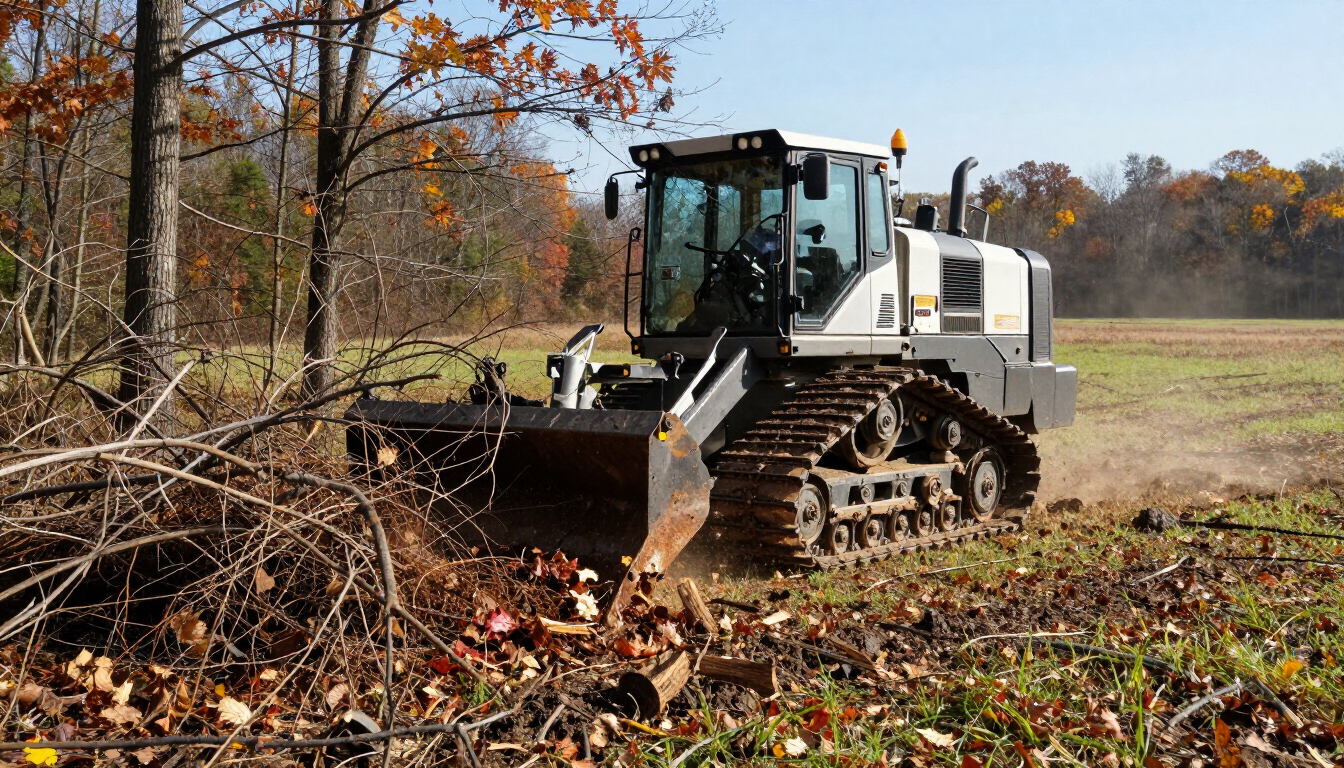
Shamrock Dirt & Forestry provides professional property and brush clearing services throughout Tennessee and Kentucky. Whether you need to open up an overgrown section of land, restore access, clear fence lines, or prepare a site for future work, our team has the equipment and experience to get it done.
Get in touch with Shamrock Dirt & Forestry today to schedule your brush clearing project before winter arrives.