6 Questions Before Commercial Pad Site Excavation
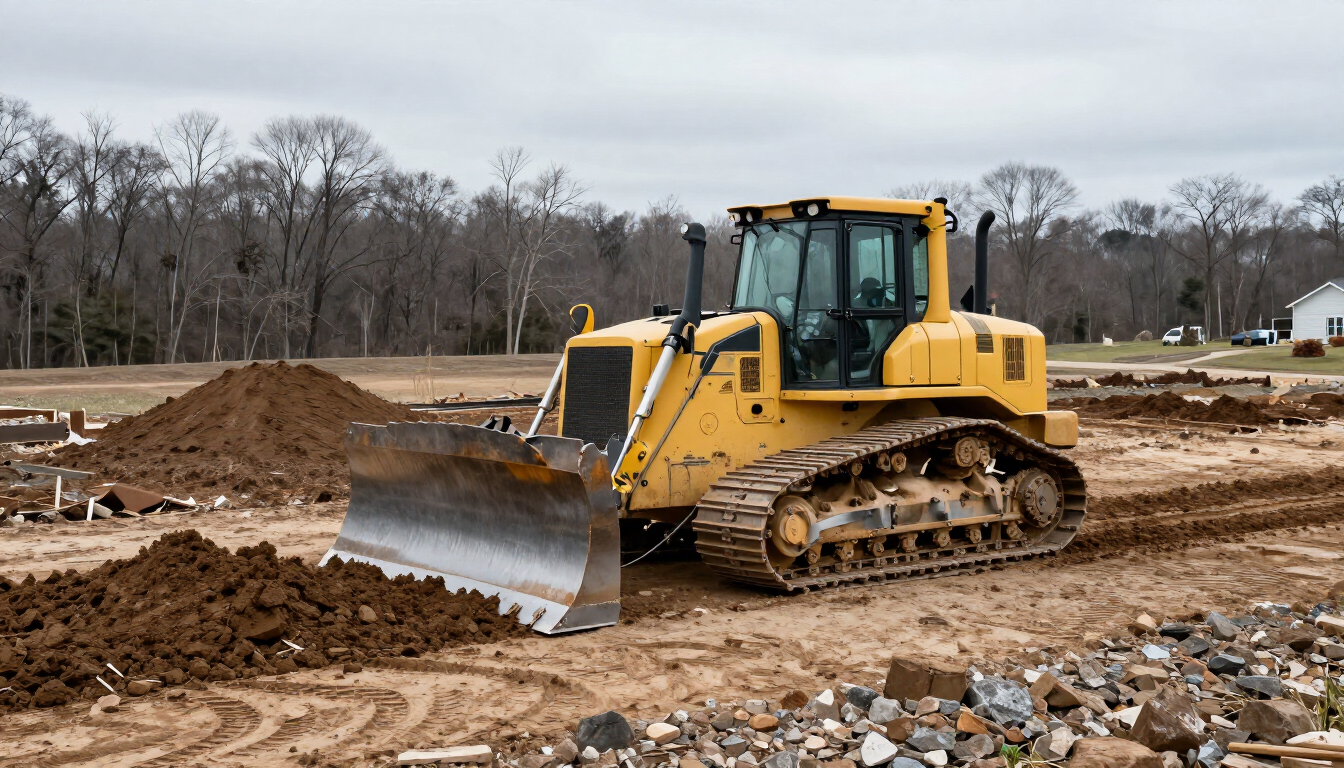
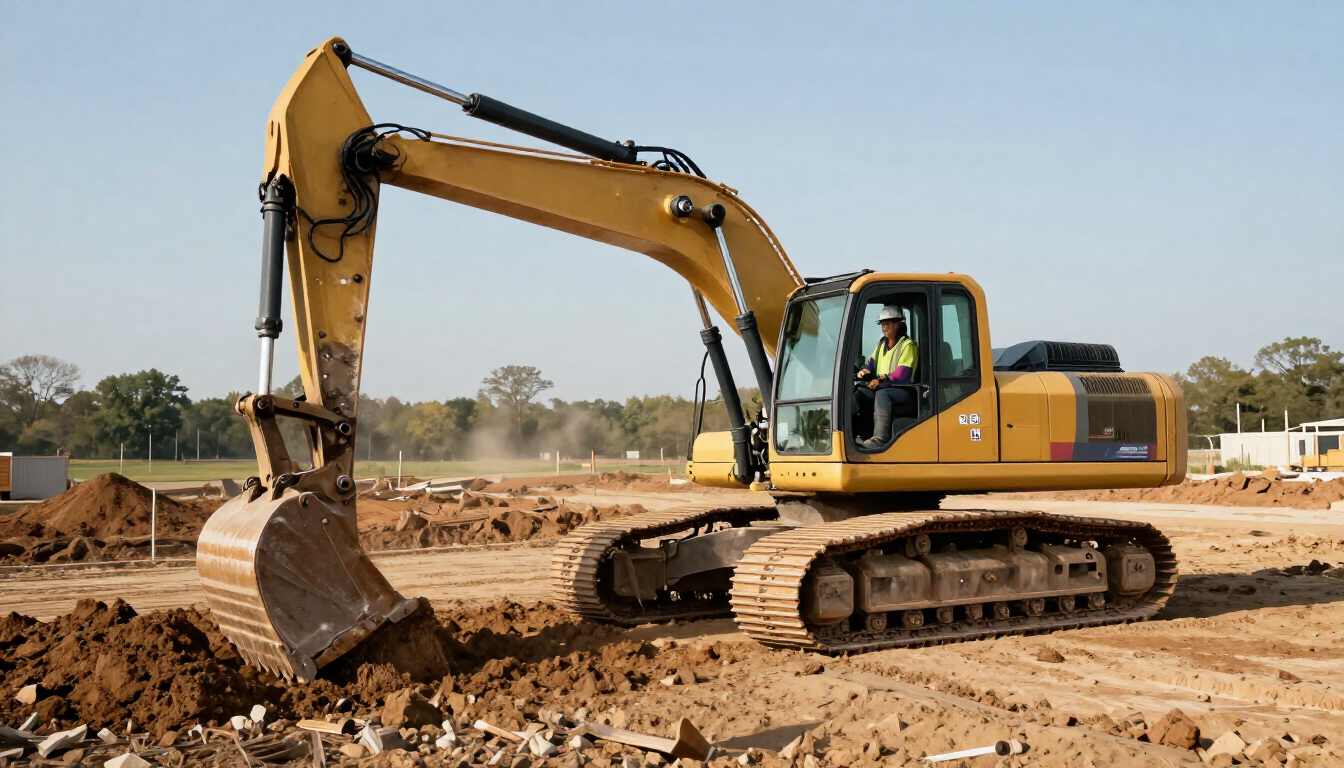
Commercial pad site excavation in Murray or Mayfield, KY, is the process of clearing, digging, moving, and leveling land so a commercial building can be built on a stable, usable site. Before breaking ground, business owners should confirm access, existing obstacles, drainage concerns, utility locations, and the order of site work.
1. Can equipment and trucks reach the site safely?
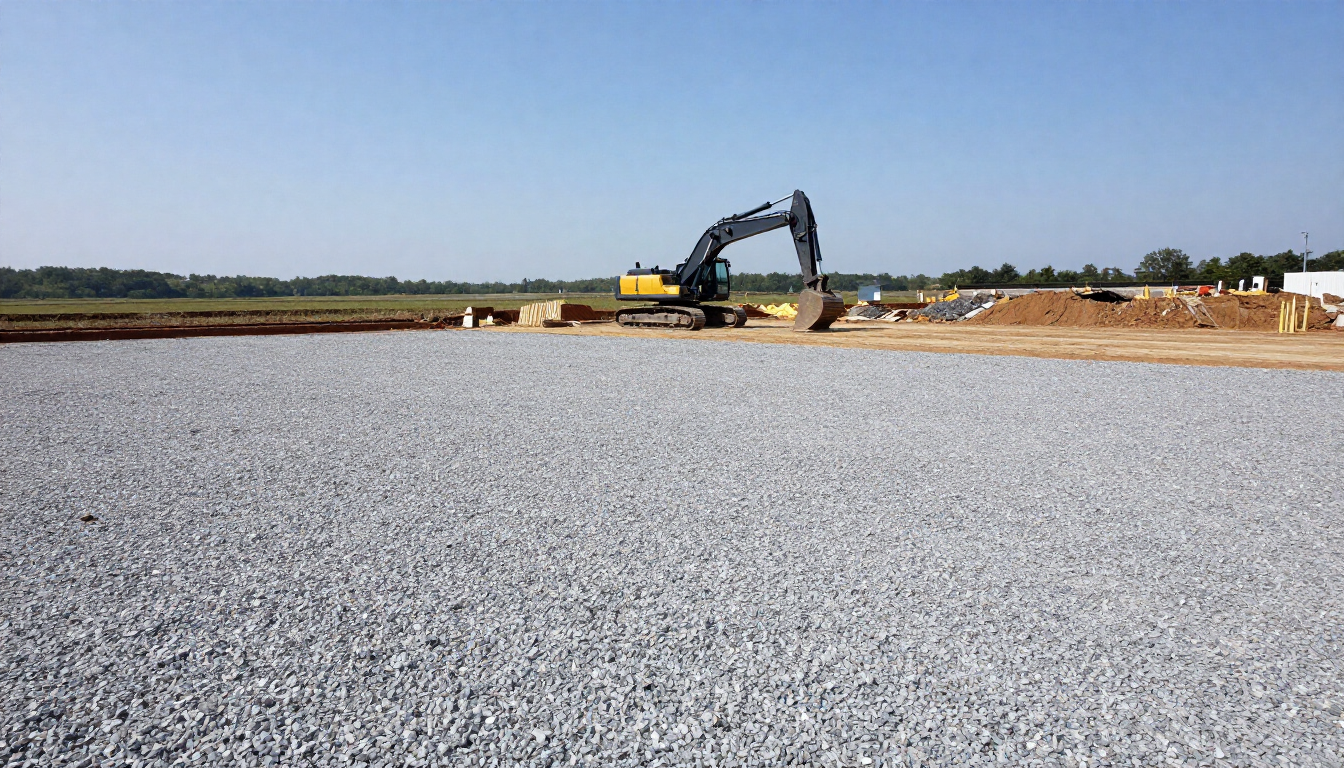
Commercial excavation equipment needs room to enter, work, turn, and leave. Dump trucks also need a practical route for hauling soil and other materials. A site may look open from the road but still have access challenges once work begins.
Before the crew arrives, look at:
- The width and condition of the entrance
- Low branches, fences, ditches, or overhead obstacles
- Soft ground that could limit truck access
- Space for equipment to turn around
- Nearby businesses, homes, or traffic that may affect access
Share any known access limitations with your excavation contractor early. This helps the team understand the property and plan the work area around real conditions.
For broader planning, review Shamrock Dirt & Forestry’s Excavation & Dirt Work services .
2. Are there trees, brush, or existing structures to remove?
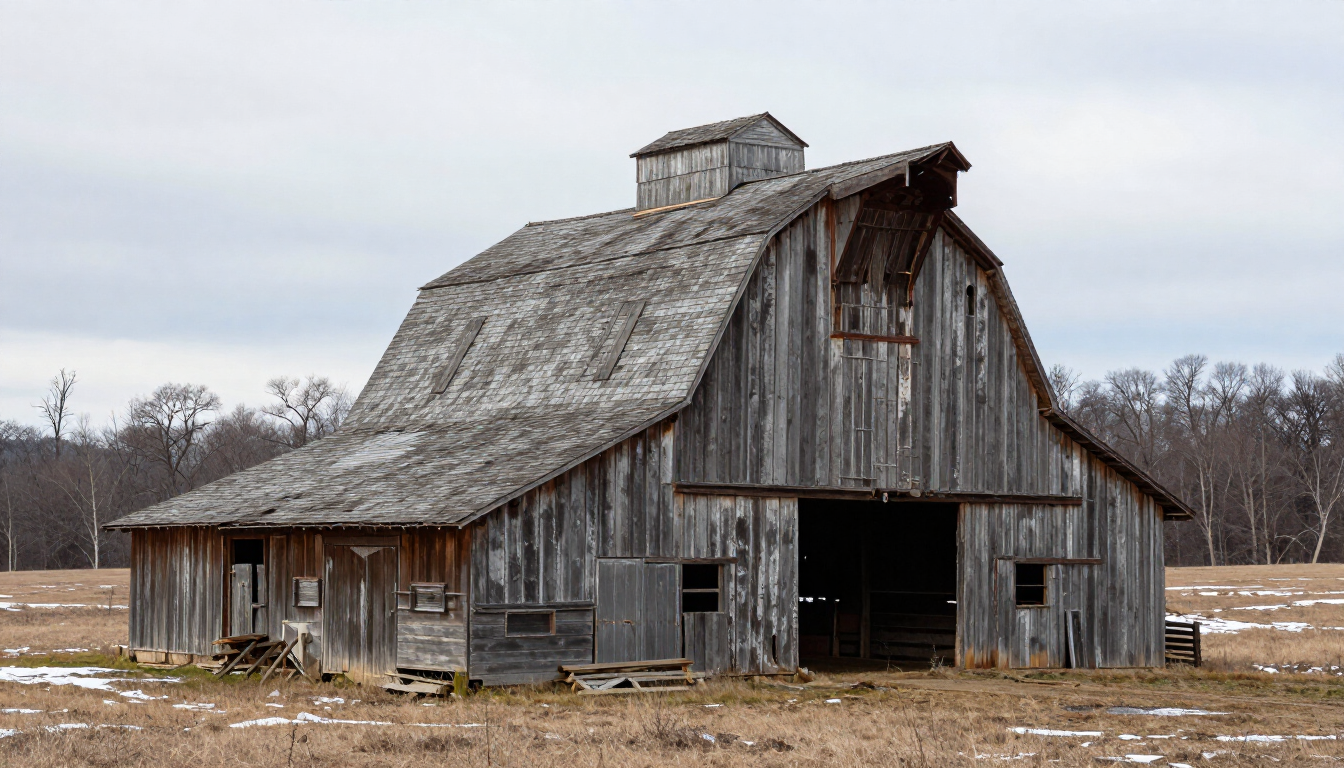
Trees, brush, old sheds, concrete, pavement, and other structures can affect where excavation begins. Leaving an obstacle for later may interrupt the work or make it harder to create a clean commercial pad.
Walk the property and identify anything that may need to be removed, including:
- Large trees and heavy brush
- Stumps and buried root systems
- Old buildings, slabs, or foundations
- Fences, debris, and abandoned materials
- Pavement or concrete that conflicts with the planned building area
A clear understanding of the site allows clearing and demolition work to be considered before dirt is moved. Shamrock can help with Property & Brush Clearing and Demolition Services when those needs are part of the project.
3. What drainage concerns are visible on the property?
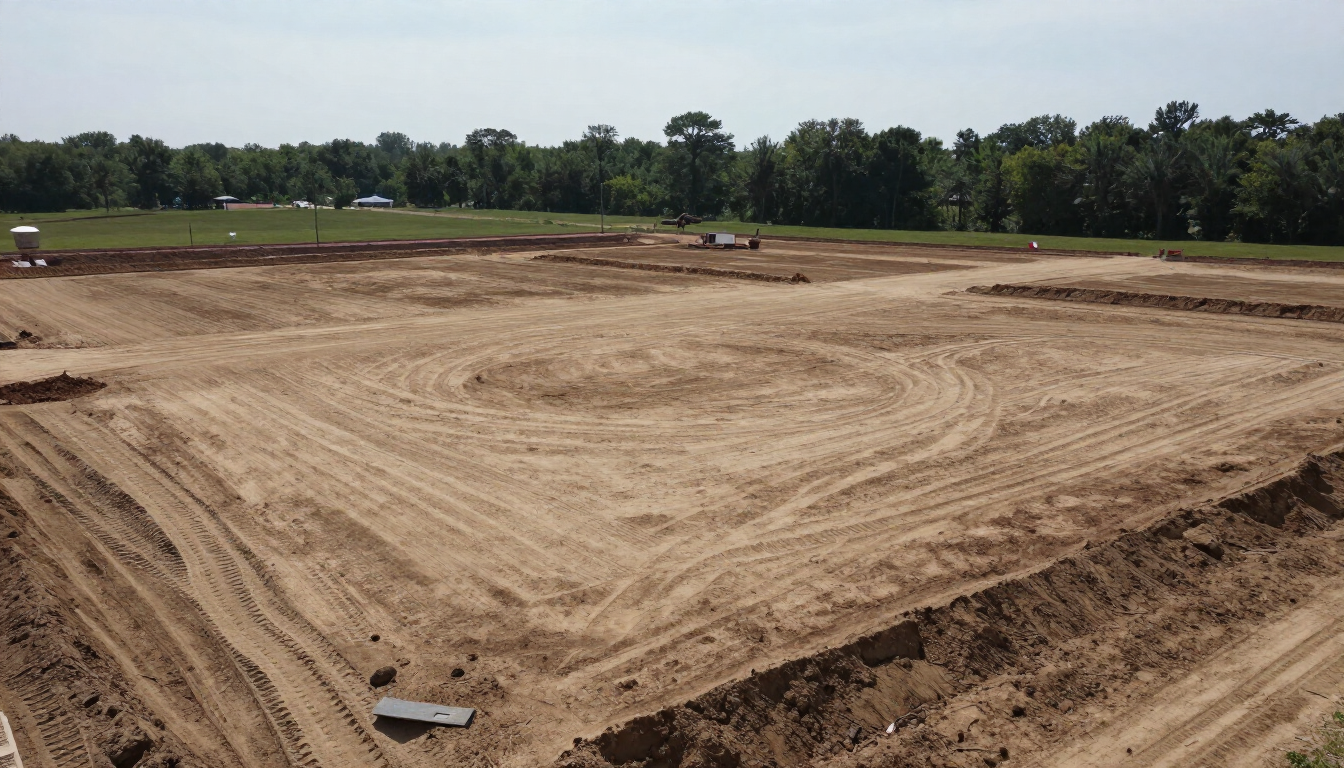
Water can change how a site is used and how equipment moves across it. Before work starts, note areas where water collects, crosses the property, or leaves the site after heavy rain. Also look for muddy ground, washouts, low spots, and nearby ditches.
Useful observations include:
- Where water appears to stand
- Whether the ground becomes soft after rain
- Existing ditches, culverts, or low areas
- Signs of erosion or flowing water
- How water moves toward nearby roads or properties
Tell the contractor what you have noticed. These observations help the team understand existing site conditions while planning excavation and grading work. This article does not replace project-specific engineering or other professional evaluation; it simply gives business owners a practical place to start.
4. Where are the utilities located?
Before digging, call 811 . The 811 service helps identify underground utility lines before excavation begins. Do not assume that visible utility poles, meters, or building connections show the location of every line on the property.
Utility information matters for commercial pad site excavation because digging may involve a large area, deeper cuts, or several work zones. Before ground is disturbed:
- Call 811 before digging.
- Wait for utilities to be marked.
- Show the markings to the excavation contractor.
- Point out any private lines or site features you already know about.
- Keep markings visible as work progresses.
Private utility lines may require additional attention. Discuss known lines serving wells, lighting, outbuildings, signage, or other private improvements with the appropriate professional.
5. What should happen first, and what should happen next?
Commercial site work is easier to manage when tasks follow a sensible order. Clearing, demolition, excavation, grading, utility-related work, and finish work may each affect the next step. Starting one task too early can create extra work or interfere with another part of the project.
A typical planning discussion may consider:
- Access preparation and work-area setup
- Removal of trees, brush, debris, or structures
- Utility marking and site checks
- Excavation and dirt movement
- Grading and site preparation
- Finish work around the building area
The exact sequence depends on the property and the building project. Ask your contractor to explain what must be completed before the next phase can begin. Shamrock’s Site Preparation & Finish Work page provides more information about preparing land for construction.
6. Who will coordinate the site work with the rest of the project?
Commercial construction involves more than one decision-maker. The property owner, business owner, builder, surveyor, utility professionals, and excavation contractor may all need to share information.
Before breaking ground, decide who will be the main contact for site questions. That person should be able to provide or gather information about:
- The building footprint and work area
- Known property obstacles
- Utility markings and private lines
- Access expectations
- Related concrete, septic, or site-preparation needs
Clear communication helps reduce confusion when field conditions differ from what was expected. It also gives the excavation contractor a reliable way to raise questions before a small issue affects the broader project.
What should you ask an excavation contractor?
When comparing contractors for a commercial pad site in Murray or Mayfield, ask direct questions about the work and the property. Useful questions include:
- What site information do you need before visiting?
- What obstacles should be removed before excavation starts?
- How should we prepare the entrance for heavy equipment?
- What drainage concerns should we point out?
- Have you completed similar commercial excavation or site-preparation work?
Look for a contractor who explains the work plainly, pays attention to existing conditions, and communicates about the next steps. Shamrock Dirt & Forestry has more than 25 years of combined experience serving Tennessee and Kentucky with excavation, clearing, grading, and related land-development services.
Prepare your commercial site with a clear plan
Commercial pad site excavation starts with more than moving dirt. Before breaking ground in Murray or Mayfield, identify access limits, trees and structures, visible drainage concerns, utility locations, and the proper sequence for site work. Always call 811 before digging, and share known private utilities or property obstacles with your contractor. If you are planning a commercial building, review Shamrock Dirt & Forestry’s services , explore the service area , or contact the team to discuss your property and next steps.