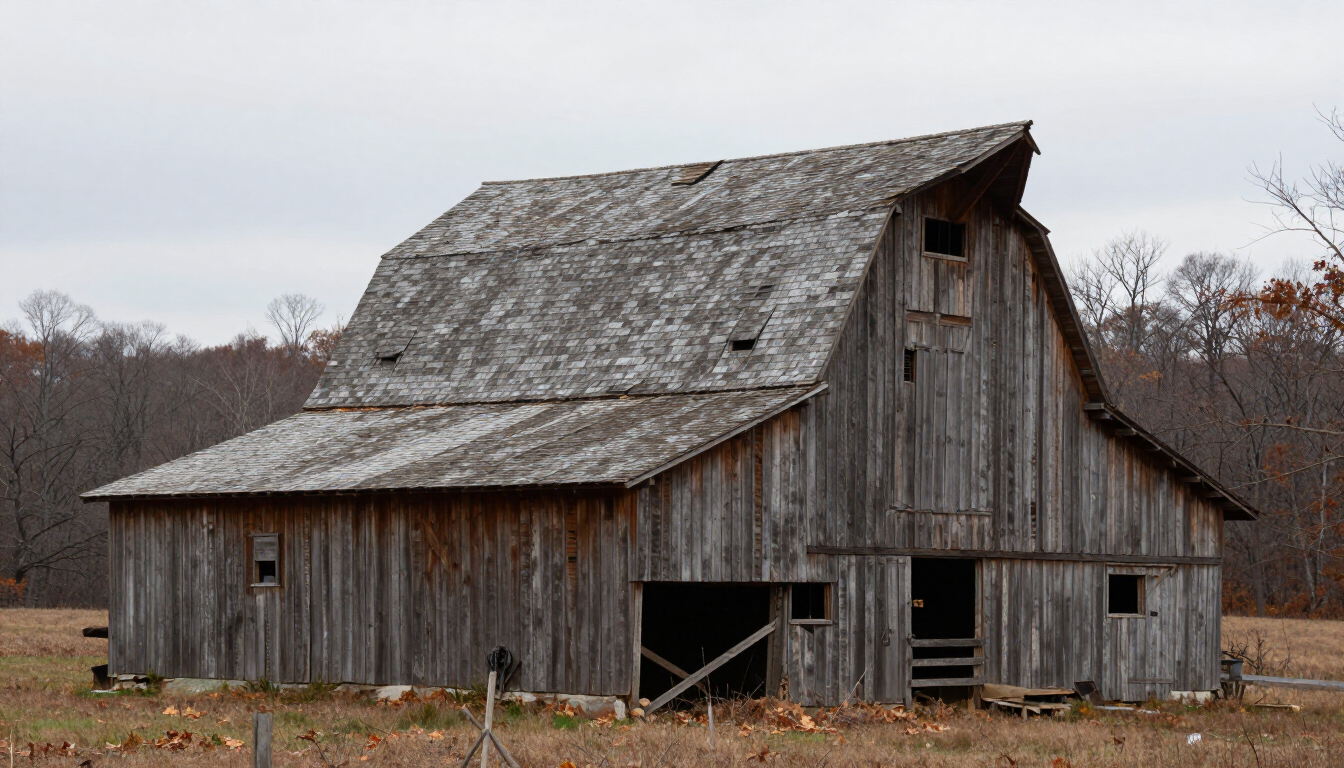
5 Signs Your Mobile Home Site Has Ground Problems
Mobile home ground problems occur when the soil beneath the home shifts, softens, or erodes, leading to uneven floors, sticking doors, and structural stress. Common signs include water pooling under the home, soft spots in the yard, and gaps appearing along the skirting line or the home’s foundation.
What are the common signs of mobile home ground problems?
If you live in a mobile home on rural land in Tennessee or Kentucky, you know that the ground is rarely as solid as it looks. Over time, nature takes its course, and what seemed like a firm pad can start to show its age. Identifying mobile home ground problems early can save you from a world of headache and expensive repairs later. Most of the time, the signs are subtle at first, but they eventually become impossible to ignore.
One of the most obvious red flags is when your interior doors suddenly won’t latch or your windows start to stick. You might think it’s just the humidity, but often, it’s actually a sign that the ground has shifted or settled unevenly. When one corner of the home sinks even a fraction of an inch more than the others, it puts a twist on the entire frame.
Here are five major signs to watch out for:
- Interior doors and windows sticking: If a door that used to swing freely now scrapes the floor or won't click into the frame, the home is likely out of level due to ground movement.
- Cracks in the drywall or ceiling: Look for thin, diagonal cracks appearing near the corners of door frames or where the wall meets the ceiling.
- Gaps in the skirting: If you notice the skirting around the bottom of your home is buckling, pulling away from the ground, or showing gaps, the soil underneath is likely washing away or sinking. Soft spots or spongy ground: Walking around your home and feeling like you're stepping on a marshmallow is a clear sign of excessive moisture in the soil.
- Uneven floors: If you feel a "slope" when walking across a room, or if a ball placed on the floor rolls to one side, your pad has likely settled.
When you see these signs, it is important to act quickly. Ignoring a settling home won't make the problem go away; in fact, the weight of the home will only continue to compress the soft soil, making the tilt more pronounced. This is where professional mobile home site services come into play, as an expert can assess whether the issue is a simple settling fix or a larger drainage problem.
https://irp.cdn-website.com/342b2b6f/dms3rep/multi/1786029112627-1_1-hCF.png
Why is water pooling under your mobile home?
Water is the single biggest enemy of a stable mobile home site. In our region, heavy rains can quickly turn a poorly graded site into a muddy mess. If water finds a way to sit under your home, it begins to saturate the soil, turning firm ground into soft mud. Once that happens, the heavy piers supporting your home will start to sink into the earth like a spoon into pudding.
Proper drainage is the key to a long-lasting home site. If the ground wasn't sloped away from the home during the initial site preparation , rain runoff from the roof and the surrounding yard will naturally collect in the lowest point—which, unfortunately, is often directly under the home. This is often called the "bathtub effect," where the crawlspace holds onto water because there’s nowhere for it to go.
If you see standing water or even just consistent dampness under your home, it’s a sign that the grading needs correction. Over time, this moisture doesn't just sink the home; it can also lead to mold, wood rot in the floor joists, and a rusted chassis. Solving this usually requires a combination of regrading and potentially installing drainage solutions to move that water far away from the foundation.
Understanding soil settling vs. normal shifting
It is natural for any structure to "settle" a little bit during its first year on a new site. The weight of the home is immense, and it takes time for the soil to compress and find its final resting place. However, there is a big difference between a one-time settling and a continuous ground problem.
Normal shifting usually stops after the home has been through a full cycle of seasons. The ground expands and contracts with the heat of summer and the freezes of winter. But if you find yourself needing to re-level your home every couple of years, you aren't dealing with normal settling—you’re dealing with a site problem. This could be due to "uncompacted fill dirt," where the person who built the pad just piled up loose dirt without packing it down. It could also be due to the type of soil on your property. In parts of Kentucky and Tennessee, we have a lot of clay and organic matter that holds onto water and shifts significantly when wet.
Recognizing the difference requires a bit of observation. If the signs—like sticking doors—get worse every time it rains, you have a drainage and soil stability issue. If they only happen once and then stay the same for years, it might have just been initial settling. Either way, having an excavation and dirt work professional look at the pad can give you peace of mind and a clear plan of action.
How can site work correct a soft or uneven pad?
If your site has a ground problem, you don't necessarily have to move the home. Many ground issues can be corrected with strategic dirt work and grading. The goal is always the same: get the water away and make the ground stay put. At Shamrock Dirt & Forestry, we use our 25+ years of experience to look at the "why" behind the problem before we start moving dirt.
Corrective site work often involves a few key steps:
- Regrading the perimeter: We use machinery to create a gentle slope away from the home on all sides so rain flows into the yard instead of under the skirting.
- Adding and compacting structural fill: If parts of the pad have washed away, we can add high-quality dirt or gravel and use heavy equipment to pack it down tight.
- Creating swales or ditches: Sometimes, the natural flow of the land brings water toward the home. We can dig shallow trenches, called swales, to catch that water and redirect it.
- Improving the pad surface: Adding a layer of compacted gravel (crush and run) over the dirt pad can provide a more stable, well-draining surface for the home’s supports.
By focusing on these structural improvements, we ensure the ground can actually support the weight of the home, even during our heavy Southern storms. This type of site preparation and finish work is the best insurance policy you can have for your home’s longevity.
https://irp.cdn-website.com/342b2b6f/dms3rep/multi/1786029112628-1_1-Tfx.png
Signs of soil erosion at the skirting line
Take a walk around the outside of your home and look closely at where the skirting meets the dirt. This is the front line of your site’s health. If you see "channels" or little canyons carved into the dirt leading under the skirting, you are witnessing erosion in real-time. This happens when water sheds off your roof (especially if you don't have gutters) and hits the ground with enough force to wash the soil away.
When soil washes away from the skirting line, it eventually starts to pull soil out from under the home as well. This creates voids or hollow spots beneath the concrete blocks or piers that hold your home up. Once a pier is sitting over a void, it’s only a matter of time before that corner of the home drops. If you see these little wash-outs, it’s time to think about adding a gravel border or regrading that specific area to stop the soil loss before it reaches the foundation supports.
The Importance of Calling 811 Before Digging
Any time you decide to tackle a ground problem with excavation, there is one rule that is absolutely non-negotiable: Call 811 before you dig. Even on rural property, there can be underground utility lines—electric, water, gas, or even fiber optic cables—that you might not know about.
In many mobile home setups, the main utility lines run directly under the home or very close to the pad. Striking one of these lines with a shovel or a piece of heavy equipment is not only incredibly expensive to fix, but it can also be life-threatening. At Shamrock Dirt & Forestry, we take safety seriously. Before we bring any machinery onto a site to fix a drainage or settling issue, we ensure all utilities are marked. It’s a free service, and it’s the law. Never assume you know where your pipes and wires are buried.
When should you call a professional for an assessment?
Knowing when a problem is a DIY fix and when it requires professional equipment is key. If you’ve tried to shovel some dirt into a low spot and the water just keeps coming back, or if your home is visibly leaning, it is time to call in a pro. A professional excavation contractor has the tools to measure the grade of your land accurately and determine exactly where the water is coming from and where it needs to go.
If you are in Tennessee or Kentucky and you're worried about your home’s foundation, don't wait for the damage to become permanent. We’ve spent over two decades helping homeowners prepare their land and fix site issues with precision. Whether you need property and brush clearing to open up a new site or corrective dirt work on an existing one, we have the experience to get it done right.
https://irp.cdn-website.com/342b2b6f/dms3rep/multi/1786029112627-1_1-b8X.png
Summary of Mobile Home Site Care
To keep your mobile home level and safe, you must stay vigilant about the condition of the ground it sits on. Ground problems are almost always caused by water or poor initial site preparation, but they are solvable with the right approach to excavation and grading.
Core Takeaways:
- Watch for movement: Sticking doors and cracking walls are your home's way of telling you the ground is moving.
- Control the water: Ensure the ground slopes away from your home to prevent the "bathtub effect."
- Monitor erosion: Check your skirting line for signs of soil washing away after heavy rains.
- Call 811: Always have utilities marked before starting any corrective digging or grading.
- Professional help matters: If settling is continuous, a professional assessment is necessary to fix the root cause.
If you're noticing any of these warning signs on your property, feel free to contact Shamrock Dirt & Forestry. We can help you evaluate your site and provide the expert excavation and grading services needed to protect your home for years to come.