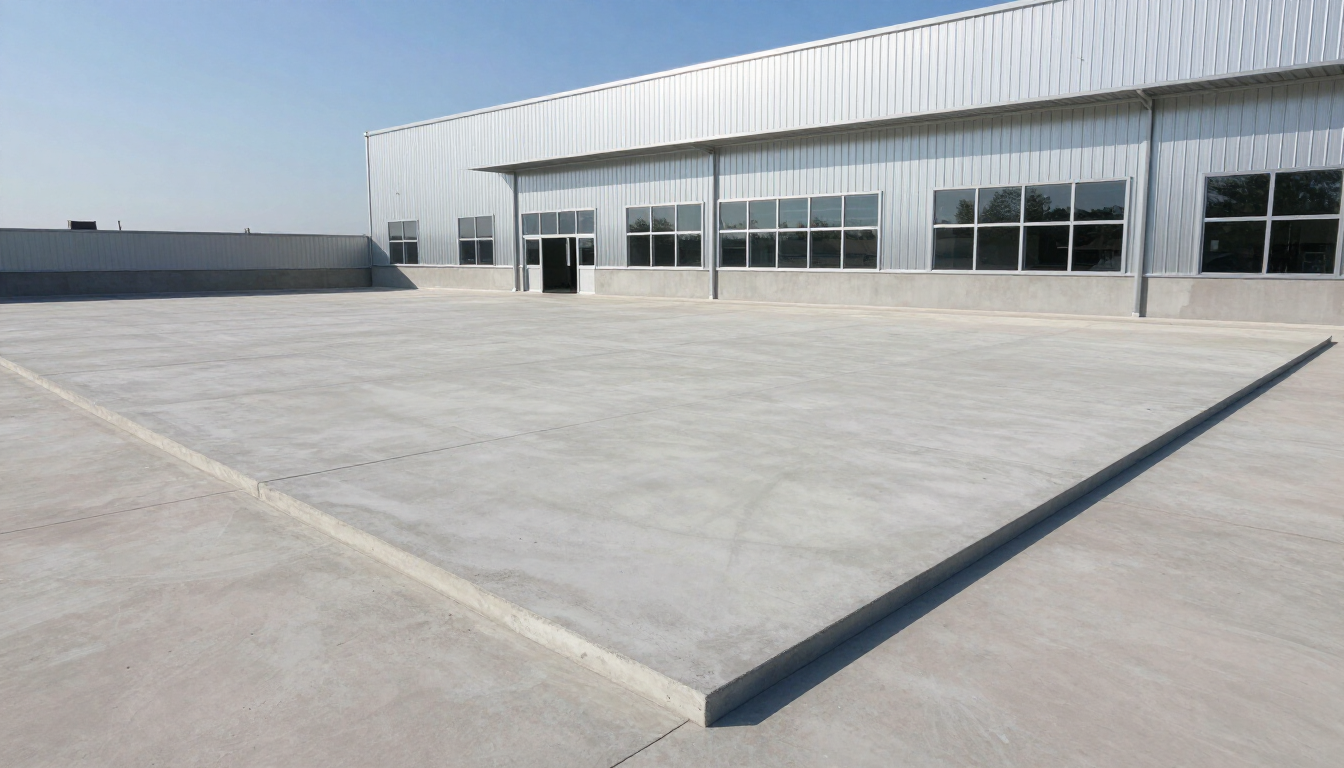
How Excavation Services in Kentucky Prepare Your Site
Excavation services in Kentucky prepare your property for construction by systematically clearing vegetation, removing debris, and grading the terrain to ensure a stable foundation. This essential site preparation process creates proper drainage, facilitates utility installation, and transforms raw land into a build-ready lot that meets structural and environmental safety standards.
What is the primary role of excavation services in Kentucky?
Excavation services in Kentucky represent the critical first step in turning a vision into a physical structure. Before a single brick can be laid or a foundation poured, the earth must be manipulated to support the weight of the new building. This involves much more than just digging a hole; it is a sophisticated engineering task that includes excavation and dirt work to achieve the specific elevations required by building plans. In regions like Western Kentucky, the soil composition can vary significantly, requiring experts who understand how to handle both heavy clay and loose sediment.
Professional excavators use heavy machinery like backhoes, dozers, and excavators to remove unwanted obstacles. This includes everything from large boulders to old concrete pads left behind by previous owners. Without this initial phase, a construction project is doomed to fail before it begins. Issues like settling, cracking, and shifting often trace back to poor site preparation. By hiring a local expert like Shamrock Dirt & Forestry, homeowners ensure that their land is treated with the precision necessary for a lifetime of structural integrity.
Transforming Raw Land into Construction-Ready Lots
When you look at a piece of raw land in the Kentucky or Tennessee countryside, you likely see potential. However, beneath the surface of that rolling hill or dense woodlot are challenges that must be addressed. The transformation from raw wilderness to a construction-ready lot begins with property and brush clearing . This step removes the biological matter—trees, stumps, shrubs, and weeds—that would otherwise decay under a foundation or driveway, causing the ground to sink over time.

Once the vegetation is removed, the process of "grubbing" begins. This is the extraction of roots and underground debris. If roots are left behind, they eventually rot, creating voids in the soil. These voids lead to soil instability, which can crack a concrete slab or cause a patio to tilt. Proper land development requires a thorough approach to clearing that guarantees the underlying earth is as clean as the surface. Our team at Shamrock Dirt & Forestry prioritizes this deep cleaning because we know the long-term value it adds to your investment.
How does proper grading prevent foundation failure?
Grading is perhaps the most technical part of site preparation and finish work . It involves reshaping the ground to ensure water flows away from structures rather than pooling around them. In Kentucky, where seasonal rains can be heavy, improper grading is the number one cause of basement flooding and foundation erosion. A professional excavation team uses laser levels and GPS technology to create precise slopes that direct runoff into designated drainage areas or swales.
There are several ways grading protects your home:
- Prevents hydrostatic pressure from building up against foundation walls.
- Protects crawlspaces and basements from moisture infiltration.
- Ensures driveways and walkways remain stable and don't wash out.
- Manages landscape erosion to preserve the beauty of your property.
- Creates a level pad for the primary building footprint.
By ensuring that the "finish work" is done correctly, we provide homeowners with peace of mind. A perfectly graded lot not only looks better but also functions as a shield against the elements. If you are planning a build near Paris, TN, or across the border in Kentucky, understanding the local water table is essential. We leverage over 25 years of experience to manage these environmental factors before the concrete trucks ever arrive.
The Importance of Selective Clearing and Grubbing
Not every tree needs to go. Many homeowners want to preserve the natural beauty of their land while still clearing enough space for a home. Selective clearing is an art form that requires careful maneuvering of heavy equipment to avoid damaging the root systems of trees intended for preservation. This is a key part of our property and brush clearing service. We work closely with homeowners to identify the boundaries of the building site and the access roads while maintaining the aesthetic value of the surrounding forest.
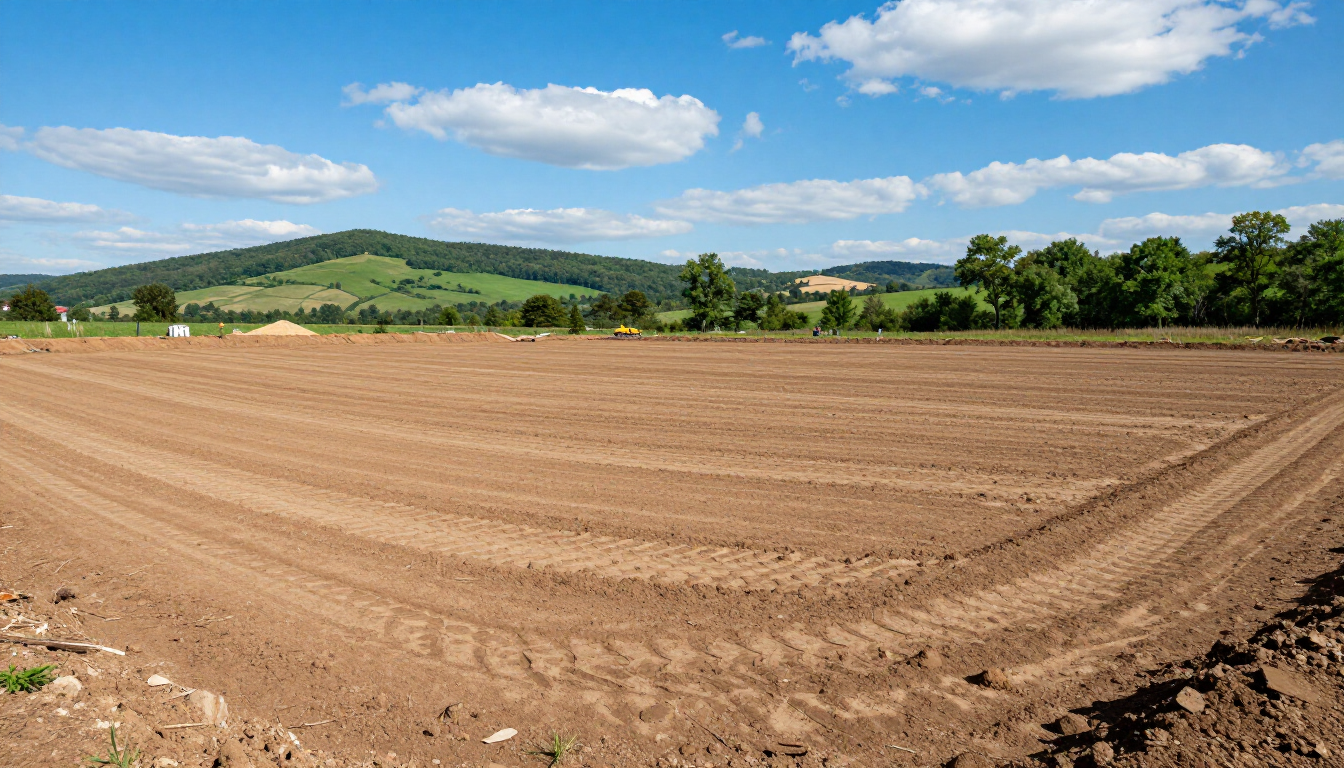
Following the clearing, the grubbing phase ensures that the soil is "compactible." Soil that contains too much organic matter (like mulch or roots) cannot be compacted effectively. Compaction is the process of using vibratory rollers or heavy machinery to squeeze the air out of the soil. This makes the ground dense and strong enough to support the weight of a house or commercial building without shifting. Achieving the right compaction density is a science, and it is a standard part of our site prep protocol.
What should homeowners expect during the site prep process?
The site preparation process can be noisy and dusty, but it is a sign of progress. It typically begins with a site survey where the corners of the future building are marked. Once the boundaries are clear, the heavy equipment arrives. The sequence generally follows a pattern: clearing first, then rough grading, then excavation for the foundation or basement, and finally, trenching for utilities. Homeowners should communicate clearly with their contractors about site access and any underground utilities that may already exist on the property.
It is also important to consider the timeline. Site prep can take anywhere from a few days to several weeks depending on the size of the lot and the complexity of the terrain. Factors like rock outcroppings or high water tables can slow things down, but dealing with these issues properly at the start is much cheaper than fixing them later. At Shamrock Dirt & Forestry, we provide transparent timelines so you can coordinate with your home builder and other subcontractors effectively.
Essential Infrastructure: Septic and Utility Prep
In many parts of rural Tennessee and Kentucky, municipal sewer lines aren't an option. This means your site preparation must include septic system installation and repair . A septic system requires a specific type of soil and a carefully calculated slope to function correctly. The excavation team must dig the tank hole and the lateral lines (the drain field) according to strict local health department codes.
Utility trenching is another vital task. This involves digging deep, narrow channels for water lines, electrical conduits, and gas pipes. These trenches must be at specific depths to prevent freezing or accidental damage. Coordinating these installations during the excavation phase saves time and prevents the need to dig up the yard twice. We also specialize in mobile home site services , which include utility connections and pad preparation specifically tailored for manufactured housing.
Why is moisture control critical in Kentucky soils?
Kentucky is known for its heavy clay soils, which can be challenging for builders. Clay expands when it is wet and shrinks when it is dry. This "expansive soil" can exert tremendous pressure on a foundation. Proper excavation mitigates this by replacing unstable soil with structural fill or by ensuring the grading is so effective that the clay near the house never becomes oversaturated. Managing the water flow around the site is not just about drainage; it's about stabilizing the very ground the house sits on.
Key Takeaways for Kentucky Property Owners
Preparing a property for construction is a multi-step journey that requires expert knowledge of the local land. Whether you are building a custom home or a commercial facility, the quality of your excavation determines the lifespan of your structure. From the initial clearing of brush to the final grading for drainage, every step must be performed with precision and care. Choosing a family-owned, reliable partner ensures that your project starts on solid ground.
Quick Summary of Site Prep Benefits:
- Structural Integrity: Prevents foundation cracks and building settlement.
- Effective Drainage: Keeps water away from the home, preventing mold and rot.
- Efficiency: Streamlines the work for concrete crews and builders.
- Cost Savings: Avoids expensive repairs caused by poor soil stability.
- Compliance: Ensures all work meets local Kentucky and Tennessee building codes.
If you're ready to start your next project, contact us today to discuss your excavation needs. Whether you need a simple pad for a mobile home or full-scale site preparation for a residential estate, Shamrock Dirt & Forestry has the experience and equipment to get the job done right. Let's transform your land with the precision it deserves.