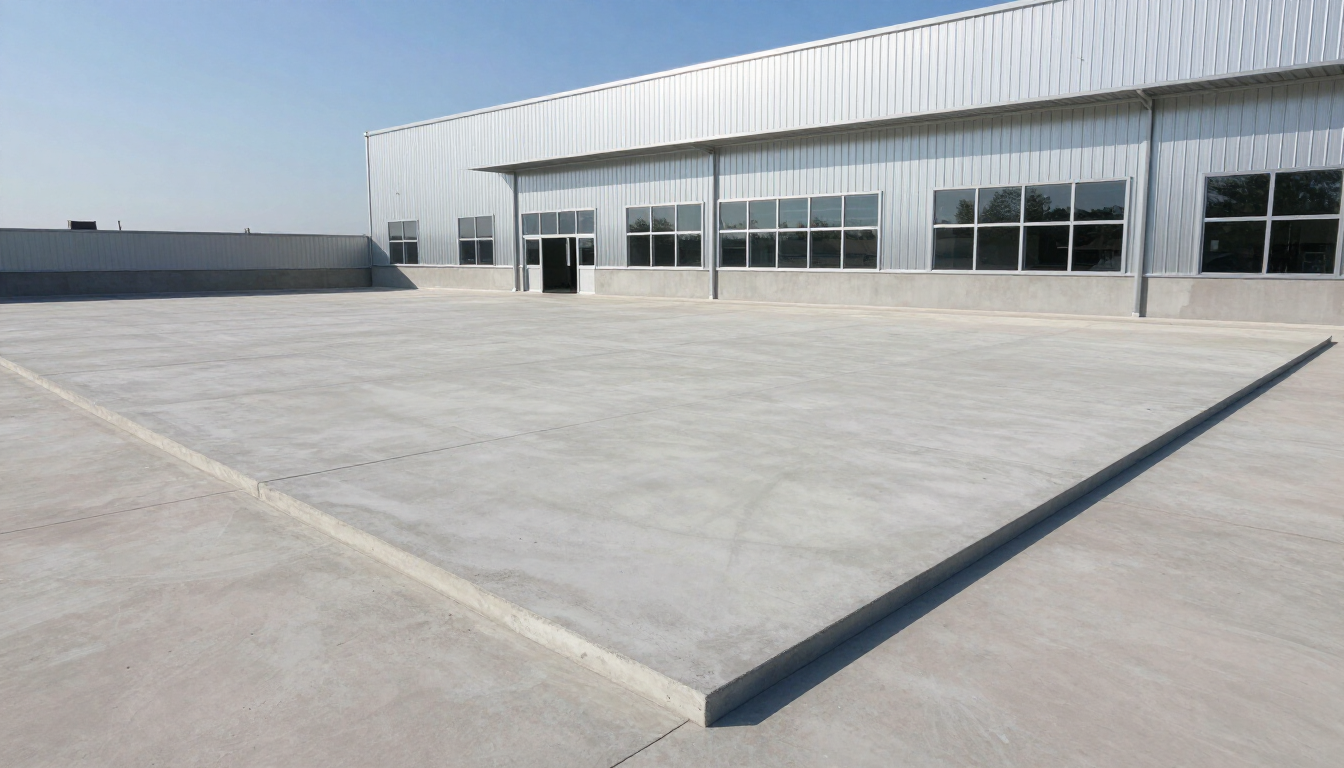
Why is professional grading and site prep necessary?
Professional grading and site prep are essential whenever your land has uneven terrain, poor drainage, or soft soil. Without these steps, your foundation can shift, leading to costly structural damage. Expert site preparation ensures a level, stable base that manages water runoff and supports long-term construction durability and safety.
Are you dreaming of a new home or a commercial building in the beautiful landscapes of Tennessee or Kentucky? It is an exciting journey, but before you start picking out finishes and floor plans, you have to look down at the ground beneath your feet. The foundation of any successful project is quite literally the dirt it sits on. At Shamrock Dirt & Forestry, we have seen over 25 years of combined experience that the difference between a building that lasts a lifetime and one that faces constant issues is often found in the quality of the initial ground work. Building on raw land is rarely as simple as just clearing some trees. It requires a meticulous approach to ensure the soil is stable, the water flows where it should, and the surface is perfectly leveled for the construction crew.
When we talk about Site Preparation & Finish Work , we are referring to a series of technical tasks that transform a wild piece of property into a construction-ready site. This involves everything from removing topsoil and vegetation to the complex engineering of slope management. Many property owners feel tempted to skip or rush this phase to save on initial costs, but that is a gamble that rarely pays off. In our region, with its unique blend of rocky hills and clay-heavy soils, professional grading and site prep are not just recommendations—they are requirements for a safe and stable build.
Why is professional grading and site prep necessary?
You might look at a plot of land and think it looks flat enough to build on, but looks can be deceiving. Professional grading is the process of adjusting the slope and elevation of the land to create a specific drainage pattern and a level building pad. The primary reason this is necessary is structural integrity. Soil is a living, shifting thing. It expands when wet and contracts when dry. If your land is not properly prepared, the weight of a new structure can cause the soil to compact unevenly, leading to foundation cracks, tilting, or even structural failure. By utilizing professional Excavation & Dirt Work , we ensure the ground is compacted to the correct density to support the load of your specific building.
Another critical factor is water management. In Tennessee and Kentucky, we deal with significant rainfall throughout the year. Without professional grading, that water has to go somewhere. If it settles around your foundation, it creates hydrostatic pressure—a force strong enough to push through solid concrete walls. Proper site prep redirects this water away from the structure and toward appropriate drainage areas or ponds. This prevents the long-term nightmare of wet basements, rotting sills, and mold growth that can ruin a property's value and its inhabitants' health.
5 Signs Your Land Needs Immediate Grading
Identifying whether your property needs work can save you thousands in future repairs. If you notice any of these signs, it is time to call in the experts for a consultation:
- Standing Water or Puddles: If water lingers for more than 24 hours after a rainstorm, your land is not draining correctly.
- Visible Soil Erosion: Deep ruts or gullies forming in the dirt after rain indicate that water is moving too fast and stripping away your topsoil.
- Foundation or Basement Dampness: Moisture in existing nearby structures often means the surrounding land is sloping toward the building rather than away.
- Dead Spots in Vegetation: Areas where grass or trees are dying can signal soil that is either too compacted or constantly oversaturated with water.
- Irregular Terrain: Visible humps, dips, or a significant lean across the building site make it impossible to pour a stable foundation without leveling.
If you see these red flags, it is a clear indication that the natural state of your land is not ready for construction. Our team at Shamrock Dirt & Forestry specializes in identifying these nuances. We don't just move dirt; we read the land to understand how it behaves during all four seasons. This proactive approach ensures that when we finish our Property & Brush Clearing , the land is not just empty, but optimized for what comes next.
How does improper drainage affect your foundation?
Water is the single greatest enemy of a building's foundation. When land is not graded correctly, water accumulates in the soil surrounding the footings and basement walls. This saturated soil exerts immense pressure, known as hydrostatic pressure, against the foundation. Over time, this pressure causes the concrete to bow, crack, and eventually leak. Even if the water doesn't physically enter the building, the constant moisture can weaken the concrete's structural properties, leading to a shorter lifespan for the entire home.
Furthermore, improper drainage often leads to soil saturation that causes "heaving." This happens when the water in the soil freezes and expands, physically lifting the foundation. When it thaws, the foundation drops back down, but rarely into its original position. This cycle of heaving and settling is a recipe for disaster, causing doors to stick, windows to crack, and roofs to leak. Professional grading and site prep mitigate these risks by ensuring the soil remains as dry and stable as possible. If your project involves a new septic system, poor drainage can also lead to system failure, which is why integrated Septic System Installation & Repair planning is so vital during the grading phase.
Can you build on uneven land without prep?
The short answer is no—at least, not if you want your building to pass inspection or last more than a few years. Building on a slope or uneven ground without professional site prep leads to "differential settlement." This occurs when one part of the building sits on firm, compacted soil while another part sits on loose fill or a slope. The house will eventually lean or crack as it tries to find a balance. To combat this, we use heavy machinery to cut into hillsides and fill in low spots, creating a "building pad" that is perfectly horizontal and structurally sound.
Essential Site Preparation Checklist
To ensure nothing is missed, we follow a rigorous process for every site we prepare. Here is what a comprehensive site prep project looks like:
- Clearing and Grubbing: Removing all trees, stumps, and roots that could rot underground and cause sinkholes.
- Topsoil Stripping: Saving the nutrient-rich topsoil for later landscaping while exposing the stable subsoil for the foundation.
- Rough Grading: Moving the earth to create the general shape and slope needed for the building and drainage.
- Compaction Testing: Ensuring the dirt is packed tight enough to support the weight of the structure without shifting.
- Final Finish Work: Smoothing the surface and preparing it for concrete or asphalt placement.
Benefits of Investing in Expert Excavation
When you hire a professional team like Shamrock Dirt & Forestry, you are investing in peace of mind. Expert excavation means the job is done right the first time, preventing the need for expensive