Land Clearing in West Tennessee: What to Know (5 Tips)
Land clearing in West Tennessee involves removing trees, brush, and debris to prepare a site for construction or agriculture. Success requires understanding local soil types, securing necessary permits, and hiring professionals who manage erosion control and debris disposal to ensure a safe, build-ready foundation for your project.
Understanding West Tennessee's Unique Terrain
West Tennessee presents a specific set of challenges and opportunities for land owners. Unlike the rocky outcrops of East Tennessee or the limestone basins of Middle Tennessee, our region is characterized by the Loess plains and gently rolling hills. The soil here, primarily silt loam and clay, is incredibly fertile but can be temperamental when it comes to drainage and stability. When you begin Property & Brush Clearing , the first thing to recognize is how this soil reacts to heavy machinery. During the wet spring months, the ground can become saturated, making it difficult for standard equipment to navigate without causing significant compaction or getting stuck in the mud.
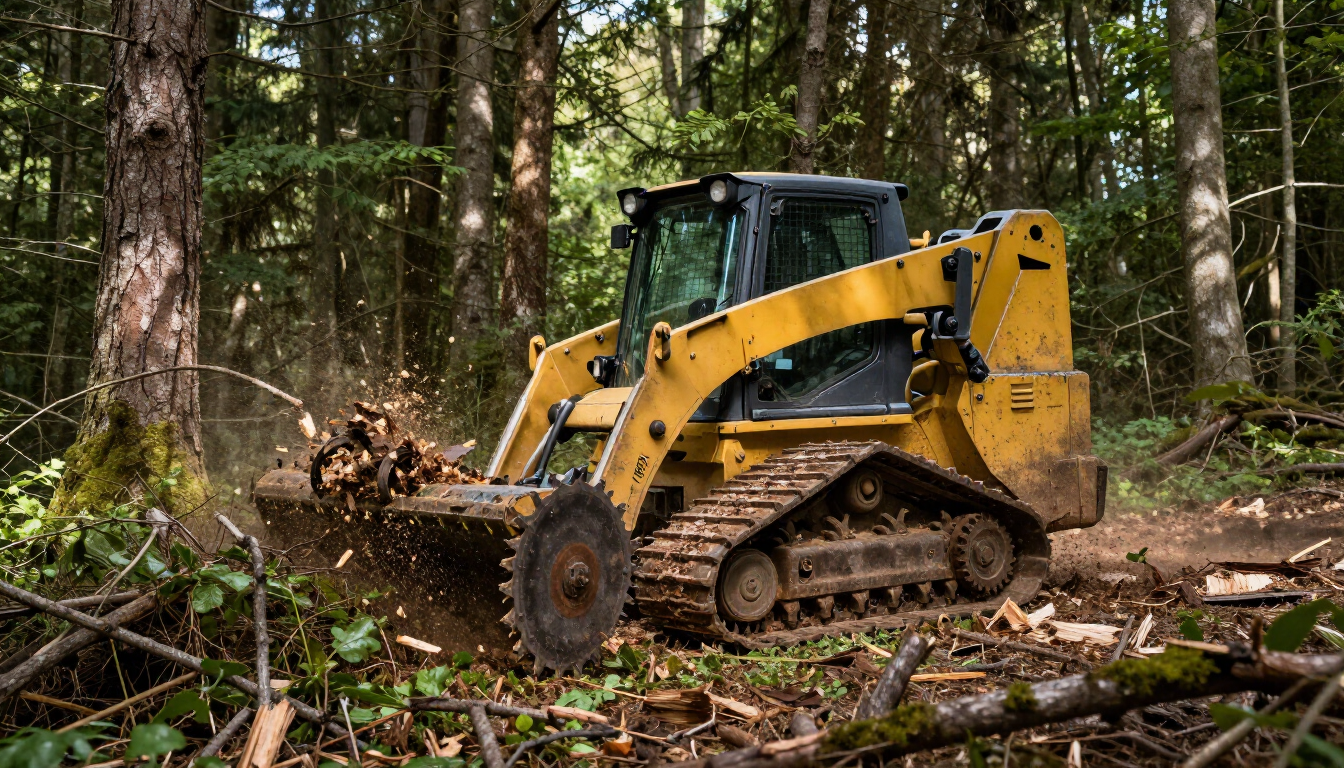
The vegetation in our area is equally diverse. From dense thickets of cedar and privet to massive oaks and hickories, the type of growth on your land dictates the strategy. Clearing a pine grove is a vastly different task than tackling an overgrown hardwood forest or a tangled mess of invasive brush. At Shamrock Dirt & Forestry, we evaluate the species on-site to determine if we can use forestry mulching—which leaves beneficial organic matter behind—or if a full-scale excavation is required. Understanding the terrain also means identifying natural drainage paths. West Tennessee is prone to heavy seasonal rains, and if you clear a site without considering where that water will go, you could inadvertently create flooding issues for your future home or your neighbors.
Why is proper planning essential for land clearing?
Planning is the bridge between a raw piece of land and a successful development project. Many landowners mistakenly view land clearing as a simple "demolition" phase, but it is actually the first step of construction. Proper planning ensures that you don't remove trees that could have provided valuable shade or privacy, and it prevents you from disturbing areas that might be protected by environmental regulations. A well-thought-out plan also keeps your budget in check. If you clear the entire five-acre plot when you only need one acre for your house and driveway, you are spending money unnecessarily on both the clearing and the long-term maintenance of that open space.
Furthermore, planning addresses the "what happens next" factor. Are you preparing for a Septic System Installation & Repair ? If so, the location of your septic tank and drain field must be protected from heavy equipment traffic during the clearing process to prevent soil compaction, which could lead to system failure. By mapping out the footprint of your future structures, driveways, and utilities before the first machine arrives, you ensure that the land is prepped with precision. This conversational approach to planning allows us to partner with you, ensuring that every stump pulled and every bucket of dirt moved serves a specific purpose in your broader vision.
What permits are required for clearing land in TN?
Navigating the legal landscape of land development in Tennessee is a critical step that cannot be overlooked. Depending on the size of your project and its proximity to water sources, you may need a variety of permits before you can legally break ground. The Tennessee Department of Environment and Conservation (TDEC) oversees many of these regulations, particularly those related to stormwater management. If your clearing project disturbs more than one acre of land, you will typically need a General Permit for Discharges of Stormwater Associated with Construction Activities. This requires a Stormwater Pollution Prevention Plan (SWPPP) to ensure that silt and sediment don't wash into local waterways.
In addition to state-level permits, local county ordinances in places like Henry, Carroll, or Weakley County may have specific requirements regarding set-backs from property lines and public roads. If your land contains wetlands or streams, you might need an Aquatic Resource Alteration Permit (ARAP). Failing to secure these permits can result in heavy fines and a complete halt to your project. When you work with an experienced Excavation & Dirt Work team, we can help guide you through these requirements, ensuring that your project remains compliant from start to finish. It’s always better to ask permission from the authorities than to ask for forgiveness while staring at a "Stop Work" order.
The 5-Step Land Clearing Process
While every property is unique, most successful land clearing projects follow a structured series of steps to ensure efficiency and safety. At Shamrock Dirt & Forestry, we break it down into a manageable workflow that keeps the project on track.
- Site Assessment: We walk the property with you to identify boundaries, protected trees, and potential hazards.
- Permitting & Setup: Finalizing all legal requirements and moving the necessary heavy machinery onto the site.
- Vegetation Removal: Cutting down trees and clearing underbrush using either mulchers or traditional dozers.
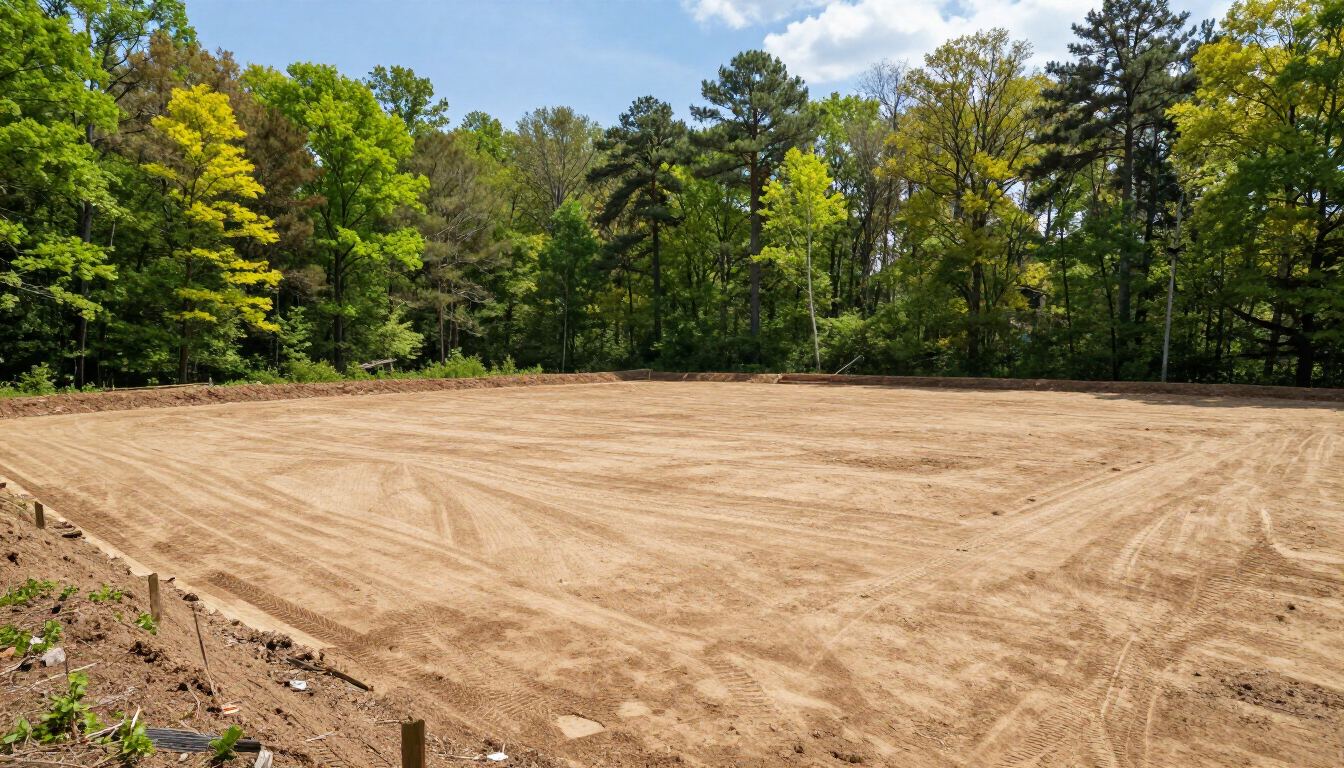
- Grading & Leveling: Smoothing out the soil and ensuring proper drainage away from future building sites.
- Final Finish Work: Removing any remaining debris and stabilizing the soil with seed or straw to prevent erosion.
How much does land clearing cost in West Tennessee?
Cost is often the biggest concern for landowners, and for good reason. Because no two pieces of land are identical, pricing can vary significantly. The primary drivers of cost include the density of the vegetation, the slope of the terrain, and the total acreage. Clearing a flat, grassy field is obviously much cheaper than clearing a steep, heavily wooded hillside. In West Tennessee, we also have to account for the removal of large stumps. While some choose to bury stumps on-site, this is often a mistake for building areas as the wood will eventually rot, causing the ground to sink. We typically recommend hauling stumps away or grinding them down to ensure a stable foundation for your Site Preparation & Finish Work .
Other factors that influence the final quote include the accessibility of the site and the method of disposal. If we can use a forestry mulcher to turn trees directly into mulch on the ground, it saves the cost of loading and hauling debris to a landfill. However, if you need the land "clean" for a lawn or a garden, the labor and trucking costs for debris removal will increase. We pride ourselves on transparency, providing detailed estimates so you know exactly where your investment is going. Our goal is to provide high-quality work that adds value to your property without breaking the bank.
Can you clear land yourself or should you hire a pro?
The "Do-It-Yourself" spirit is strong in Tennessee, and while many landowners own a tractor or a chainsaw, professional land clearing is a different beast entirely. Renting a small skid steer might seem like a cost-saving measure, but without the experience to operate it efficiently, a two-day job can quickly turn into a two-week ordeal. Professional operators have the muscle memory and the mechanical knowledge to handle the terrain safely. More importantly, we use specialized attachments—like high-flow brush cutters and root rakes—that the average rental yard simply doesn't carry. These tools allow us to do a cleaner job in a fraction of the time.
Safety is the other major factor. Felling large trees is inherently dangerous, and operating heavy machinery on slopes requires a keen understanding of center-of-gravity and soil stability. When you hire a professional team like ours, you are also hiring our insurance. If a tree accidentally falls the wrong way or a hydraulic line bursts, the liability is on us, not you. For most people, the peace of mind that comes with a professional job far outweighs the marginal savings of trying to DIY a major site prep project.
Choosing the Right Contractor for Your Project
When you're ready to move forward, choosing the right partner is the most important decision you'll make. You want a contractor who isn't just a guy with a bulldozer, but a team that understands the local ecosystem and the long-term goals of your project. Look for a company with deep roots in the community and a proven track record. With over 25 years of combined experience, Shamrock Dirt & Forestry has built a reputation for reliability across Tennessee and Kentucky. We treat every property as if it were our own, ensuring that the work is done right the first time.
Ask potential contractors about their equipment and their process for erosion control. A good contractor will be happy to explain their methods and provide references from satisfied clients. We also recommend looking for a "full-service" provider. Because we partner with our sister company, Shamrock Trucking & Hauling, we can handle everything from the initial clearing to the delivery of gravel for your new driveway. This streamlined approach saves you the headache of managing multiple subcontractors and ensures that the transition from clearing to construction is seamless. If you're ready to start, feel free to Contact us today for a personalized consultation.
Essential Takeaways for Your Land Clearing Project
Preparing your land is an exciting milestone, but it requires careful execution to avoid long-term headaches. By focusing on these core areas, you ensure a smooth project:
- Prioritize Drainage: Always plan for where the water will go once the trees are gone.
- Verify Your Permits: Check both state and local requirements to avoid fines.
- Protect the Soil: Avoid clearing during excessively wet periods to prevent severe compaction.
- Define Your Goals: Decide early if you want a fully cleared lot or a selectively thinned wooded area.
- Hire Local Expertise: Work with professionals who understand West Tennessee's specific soil and vegetation.
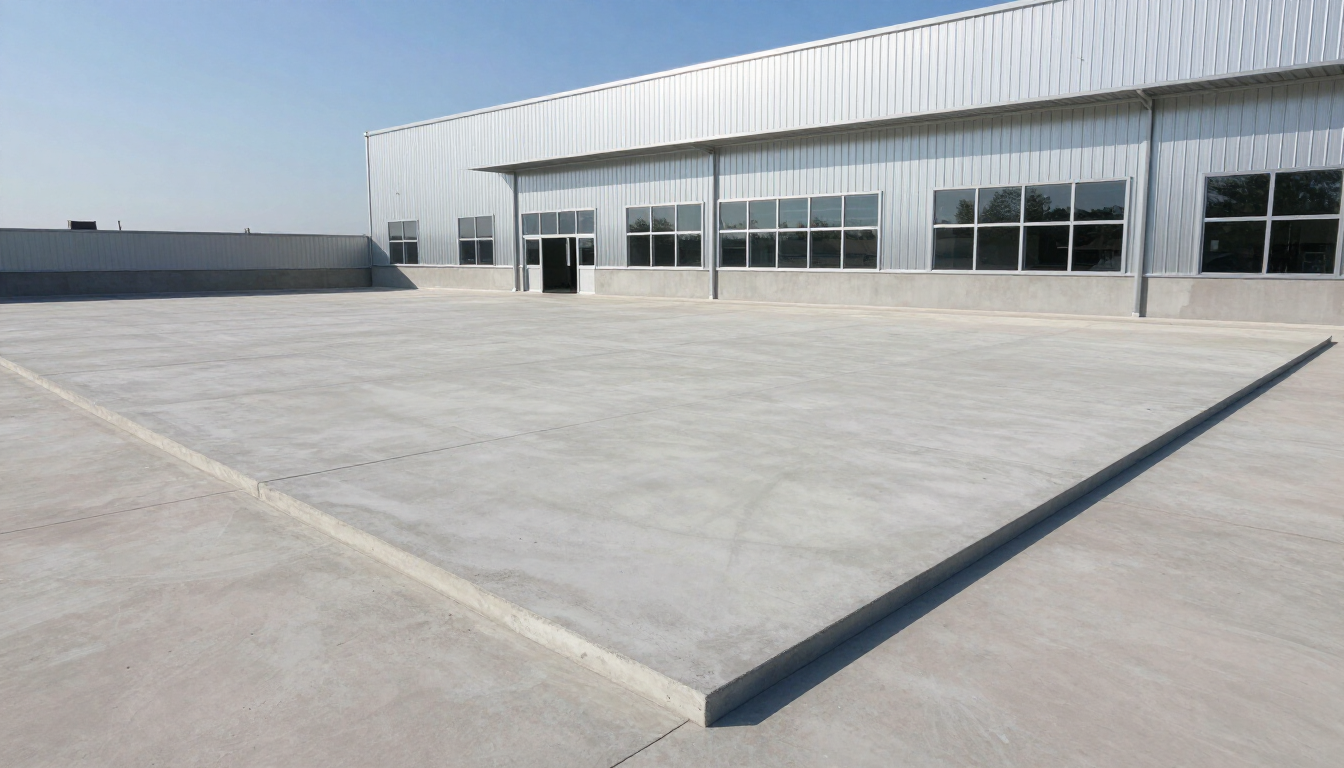
Following these steps will transform your property from a wild landscape into a functional, project-ready space. Whether you're building a dream home, a commercial facility, or an agricultural field, the groundwork you lay today is the foundation for everything that follows.