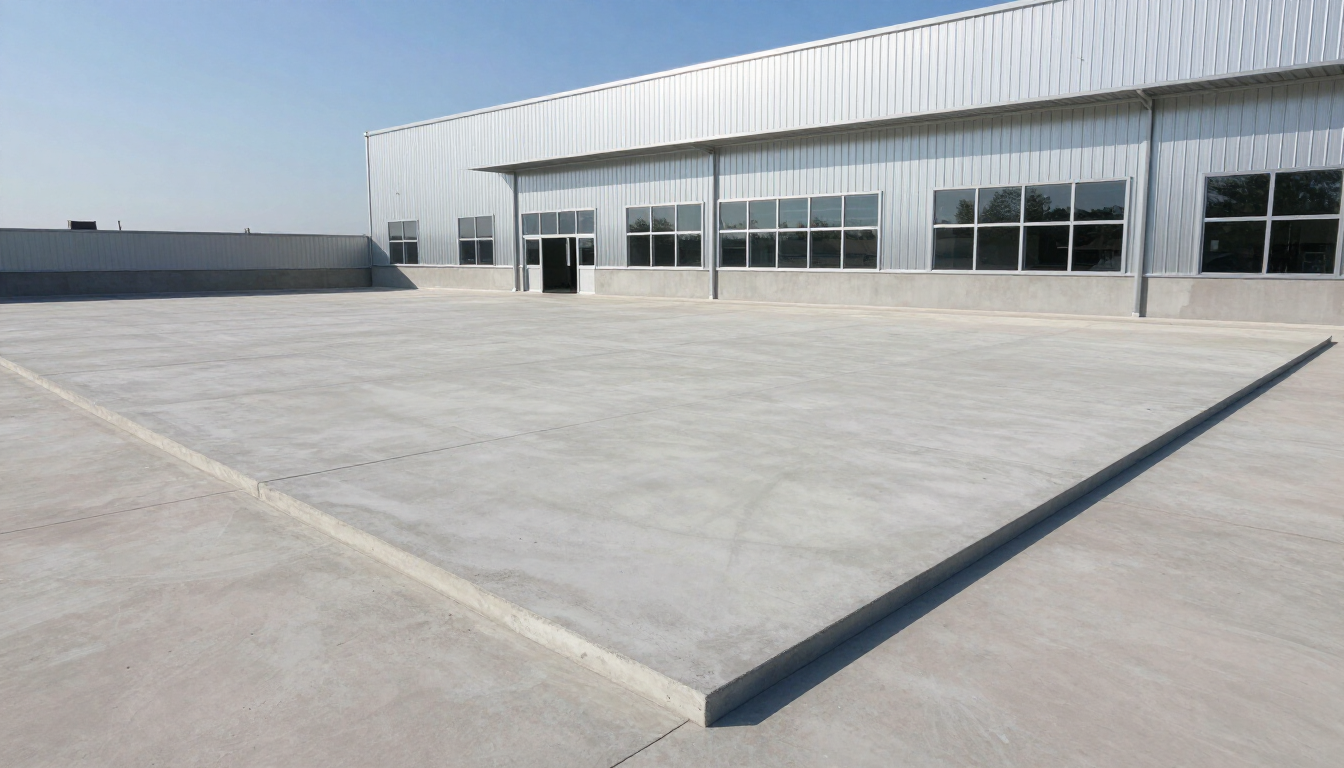
Everything You Need to Know About Septic System Installation
Septic system installation is the process of setting up an underground wastewater treatment structure, typically used in rural areas. It involves site evaluation, soil percolation testing, permitting, and professional excavation to install a septic tank and drain field that safely treats and disperses household waste into the ground.
Developing a piece of land in Tennessee or Kentucky is an exciting journey, but it comes with a unique set of technical requirements. For many homeowners building outside of city limits, a septic system installation is the most critical infrastructure project you will undertake. Unlike a simple utility hookup, a septic system is a living, biological treatment plant buried in your backyard. Getting it right the first time is the difference between a lifetime of worry-free waste management and a nightmare of costly repairs and environmental hazards. At Shamrock Dirt & Forestry, we have spent over 25 years helping neighbors navigate this complex process, ensuring their land is ready for the long haul.
What is the Process for Septic System Installation?
The journey toward a functional septic system is a multi-stage process that requires coordination between land owners, health departments, and specialized contractors. It isn't as simple as digging a hole and dropping in a tank; it requires a deep understanding of soil mechanics and local regulations. The process generally follows a linear path: initial site evaluation, soil testing, system design, permitting, excavation, component placement, and a final inspection. Each step is designed to protect the local groundwater and ensure that the system can handle the specific load of your household.
Before any equipment arrives on site, a thorough plan must be established. This is where Site Preparation & Finish Work becomes essential. We look at the topography of the land, the location of the home, and the proximity to water sources. You cannot place a septic system just anywhere; it must be strategically located to allow for gravity flow or efficient pumping while maintaining "setback" distances from wells, property lines, and the home itself. Our team works closely with you to identify the most efficient footprint for your system, minimizing the impact on your future landscaping and outdoor living spaces.
How Do I Know if My Soil is Suitable for a Septic System?
The most important factor in a successful septic system installation is the soil. In the industry, we call this the "perc test" or percolation test. This test measures how quickly water drains through the soil on your property. If the soil drains too quickly, waste isn't treated properly before reaching the groundwater. If it drains too slowly—which is common in the heavy clay soils of Tennessee—the system will back up. A certified soil scientist or a health department official usually performs this test by digging several holes and monitoring water levels over time.
Here are the primary things a soil test evaluates:
- Soil texture and structure (clay vs. silt vs. sand)
- The depth of the restrictive layer (rock or groundwater)
- The absorption rate of the soil at different depths
- Historical water table levels in the immediate area
- Overall slope and drainage patterns of the installation site
Essential Steps Before Digging Can Begin
Once your soil has been cleared for a septic system installation, the next phase is the design. There is no "one size fits all" solution in land development. Depending on the size of your home and the results of your soil test, you might need a standard gravity system, a low-pressure pipe system, or even an aerobic treatment unit. A standard three-bedroom home typically requires a 1,000 to 1,500-gallon tank. Our experts at Shamrock Dirt & Forestry ensure that the Septic System Installation & Repair plan matches the expected occupancy and usage of your new home.
Before the first bucket of dirt is turned, you must also clear the land. This is often where homeowners underestimate the work involved. If your chosen site is overgrown with trees or thick brush, the root systems can interfere with the drain field later on. Professional Property & Brush Clearing is a mandatory precursor to septic work. Removing stumps and clearing debris ensures that the excavation equipment can move freely and that the soil remains undisturbed outside of the designated trenches. Compacting the soil with heavy equipment in the wrong places can actually ruin a drain field's ability to breathe and drain.
What Permits Are Required in Tennessee and Kentucky?
Navigating the legalities of septic system installation can be daunting. Both Tennessee and Kentucky have strict environmental regulations managed by state and local health departments. You cannot legally install or even repair a septic system without an approved permit. These permits are granted based on the soil test results and a professional site plan. At Shamrock Dirt & Forestry, we assist our clients in understanding these requirements, ensuring that all paperwork is in order before we break ground. Failing to secure the proper permits can lead to massive fines and the inability to obtain a certificate of occupancy for your home.
Why Professional Excavation Matters for System Longevity
The actual installation of the tank and the lines is a delicate operation. While it might look like just moving dirt, professional Excavation & Dirt Work is about precision. The trenches for the drain field must be dug at a very specific grade—usually a slight downward slope—to allow wastewater to flow evenly throughout the field. If the slope is too steep, the water rushes to the end of the line and saturates the soil. If it is too flat, the water stays in the pipes and causes clogs. Our team uses laser-guided equipment to ensure every inch of the system is perfectly leveled and aligned.
How Much Does a New Septic System Cost?
One of the most frequent questions we receive is about the cost of septic system installation. Because every piece of land is unique, prices can vary significantly. Factors like soil quality, the type of system required by the health department, and the accessibility of the site all play a role. A standard gravity system is usually the most affordable, while advanced systems required for poor soil or high water tables can cost more. Investing in a high-quality installation today prevents tens of thousands of dollars in remediation costs ten years down the line.
Factors that influence the total cost include:
- The size and material of the septic tank (concrete vs. plastic)
- The total linear footage of the drain field piping
- The amount of gravel or specialized fill material needed
- The complexity of the excavation (dealing with rock or steep hills)
- Labor and equipment costs for site preparation and finish work
Final Steps: Inspection and Backfilling
After the tank is set and the lines are laid, but before they are covered with dirt, a final inspection is required. A health department official will come to the site to verify that the installation matches the approved permit and design. They check the tank's level, the depth of the trenches, and the quality of the materials used. Only after this official sign-off can we begin the backfilling process. This involves carefully covering the system with topsoil and grading the area to ensure that surface water runs away from the drain field, preventing oversaturation.
What Are the Key Maintenance Steps After Installation?
Your responsibility doesn't end once the system is buried. Maintaining your septic system is essential for its longevity. A well-installed system can last 25 to 30 years or more if treated properly. This means being mindful of what goes down your drains—avoiding grease, chemicals, and non-biodegradable items. It also involves regular pumping, usually every three to five years, to remove the solid waste that accumulates in the tank. If you notice slow drains or soggy patches in your yard, it’s time to call the experts for a check-up.
Summary of Your Septic Installation Project
Septic system installation is a complex but rewarding investment that makes your property functional and safe. By focusing on quality soil testing, professional excavation, and adhering to state permits, you ensure that your home’s waste management system will operate efficiently for decades. Choosing an experienced partner who understands the local landscape of Tennessee and Kentucky is the best way to avoid common pitfalls and ensure a smooth project from start to finish.
Key Takeaways:
- Always start with a professional soil percolation test.
- Ensure your site is properly cleared before excavation begins.
- Only work with contractors who follow local permitting laws.
- Precision grading during excavation is vital for system drainage.
- Regular maintenance and pumping are required for long-term health.
Ready to get started on your land development project? Whether you need help with excavation, property clearing, or a complete septic system installation, Shamrock Dirt & Forestry is here to help. Contact us today to request a quote and let’s make your vision a reality!