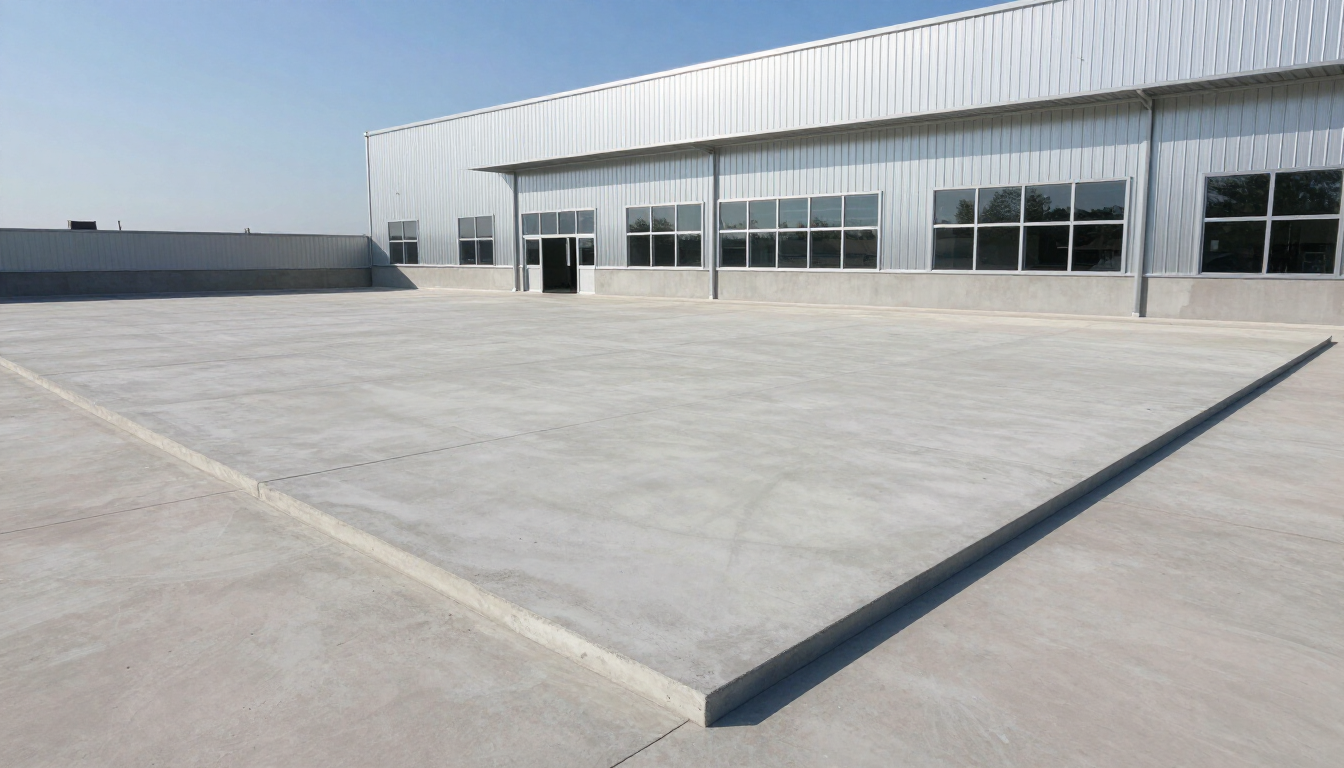
Concrete Driveway vs Gravel: What’s Best for Your Property
Choosing between a concrete driveway vs gravel depends on your long-term budget, property usage, and maintenance preferences. Concrete provides a durable, permanent surface with high resale value and minimal upkeep, while gravel is a highly cost-effective, permeable solution that handles drainage well in rural settings. Most homeowners decide based on the initial investment cost versus the desire for a low-maintenance, polished appearance.
What are the main differences between concrete and gravel driveways?
When evaluating concrete driveway vs gravel options, the primary differences lie in the initial investment, the expected lifespan, and the level of ongoing labor required to keep the surface functional. A concrete driveway is a structural slab that, when poured correctly over a professional Site Preparation & Finish Work base, can last upwards of 30 to 50 years. It provides a smooth, solid surface that is ideal for families with children, urban environments, and high-traffic residential areas where aesthetics are a top priority.
Gravel driveways, on the other hand, consist of multiple layers of crushed stone and aggregate. They are significantly more flexible and affordable, making them the standard choice for long rural lanes or larger properties across Tennessee and Kentucky. While gravel lacks the permanent rigidity of concrete, it offers superior drainage. Because it is porous, water can filter through the stones into the soil, reducing the risk of runoff and erosion—a critical factor for properties with complex grading.
At Shamrock Dirt & Forestry, we often see homeowners weigh these options based on their land’s specific topography. A steep incline, for example, might make gravel more susceptible to washing away during heavy rain, whereas a flat, expansive property might benefit from the lower cost-per-square-foot that gravel provides. The choice ultimately reflects how you intend to use your land and how much you are willing to invest in its long-term infrastructure.
How does the Tennessee climate affect your driveway choice?
Living in the Tennessee and Kentucky region means your driveway must withstand a variety of weather challenges, from sweltering summer heat to winter freeze-thaw cycles. These environmental factors play a massive role in the performance of both concrete and gravel surfaces.
For concrete, the main concern is the freeze-thaw cycle. When moisture seeps into small cracks and freezes, it expands, which can lead to scaling or larger cracks over time. This is why professional Excavation & Dirt Work is non-negotiable; a stable, well-compacted sub-base is required to prevent the concrete from shifting and breaking during seasonal transitions.
Gravel driveways face different challenges. In our region, heavy spring rains can cause "washouts" if the driveway wasn't properly graded or if the drainage ditches aren't maintained. However, gravel is naturally more "forgiving" in extreme weather. If the ground shifts due to moisture or temperature, the gravel simply moves with it. You don't have to worry about the structural failure of a slab, but you may need to replenish the top layer of stone every few years to keep the surface level and functional.
How much do gravel and concrete driveways cost to install?
Cost is often the deciding factor for many homeowners. On average, a gravel driveway is the most budget-friendly option, costing anywhere from $1 to $3 per square foot for materials and basic installation. The affordability of gravel allows property owners to cover much larger areas for a fraction of the price of hardscaping. If you have a 500-foot driveway through a wooded lot, gravel is almost always the practical choice.
Concrete, by comparison, is a significant investment. You can expect to pay between $8 and $18 per square foot, depending on the thickness of the slab, the complexity of the site prep, and whether you choose decorative finishes like stamped or stained concrete. While the upfront cost is higher, you must consider the long-term value. A concrete driveway requires far fewer interventions over the decades. When you factor in the cost of Concrete Services and the 30+ year lifespan, the "cost per year" often begins to look more favorable compared to gravel, which requires recurring replenishment and grading.
Maintenance Requirements for Long-Term Performance
One of the most important things to understand before making a final decision is the reality of maintenance. No driveway is truly "maintenance-free," but the type of work required for each is very different.
Concrete Maintenance Checklist:
- Sealing: To protect against moisture and chemicals, concrete should be sealed every 2-5 years.
- Cleaning: Regular pressure washing keeps the surface looking new and prevents moss or mildew growth.
- Crack Repair: Small hairline cracks should be filled early to prevent water from reaching the sub-base.
Gravel Maintenance Checklist:
- Regrading: Every 1-2 years, a tractor or grader should be used to smooth out "washboarding" and potholes.
- Weed Control: Because it is porous, weeds will grow through gravel without regular herbicide application or a heavy-duty landscape fabric base.
- Replenishing: You will likely need to add a fresh layer of "topping" stone every few years as the gravel gets pushed into the soil.
Enhancing Property Value and Curb Appeal
If you are planning to sell your home in the future, the driveway is your first opportunity to make a positive impression. Real estate experts generally agree that a paved driveway—whether concrete or asphalt—adds more to the formal resale value of a home than gravel. Concrete signals to a buyer that the property is well-maintained and that they won't have to worry about messy shoes or dust during the dry summer months.
However, in rural or equestrian properties, gravel can actually be more desirable. It fits the aesthetic of a country estate and provides a rustic charm that concrete can't replicate. If your home is tucked away in the hills of Western Tennessee, a clean, white limestone gravel path might be exactly what a buyer is looking for. The key is ensuring that whichever path you choose, the Property & Brush Clearing around it is professional and tidy, framing the driveway as a deliberate design choice rather than an afterthought.
Which driveway is right for your property?
To help you decide, ask yourself these three questions about your lifestyle and land:
- What is your primary budget? If you need to cover a lot of ground quickly and affordably, gravel is the winner. If you have a shorter driveway and can afford the upfront cost, concrete is a wise investment.
- How much time do you have for maintenance? If you own a tractor and don't mind spending a Saturday morning regrading your path, gravel is manageable. If you want to "set it and forget it" for years at a time, go with concrete.
- What is the slope of your land? Steep driveways often struggle with gravel displacement during heavy rains. For hills, concrete provides the necessary traction and stability to prevent erosion.
With over 25 years of combined experience, Shamrock Dirt & Forestry has helped hundreds of clients across Tennessee and Kentucky prepare their land for both options. We understand the soil types of our region and can provide the precision excavation needed for a driveway that lasts. Whether you need a smooth concrete entrance or a durable gravel lane, our team is equipped to handle the project from start to finish.
Summary of Key Takeaways
- Concrete is best for low maintenance, high resale value, and urban/suburban aesthetics.
- Gravel is the most affordable option, offers excellent drainage, and suits rural properties.
- Site Preparation is the most critical step for both; a poor foundation will lead to concrete cracks or gravel potholes.
- Climate Matters: Tennessee's rains and freeze-thaw cycles require professional grading and compaction to ensure longevity.
- Professional Help: Working with an expert like Shamrock Dirt & Forestry ensures your land is ready for whichever material you choose.
Ready to transform your property? Whether you're looking for expert concrete pouring or professional gravel grading, our team is here to help. Contact Us today or call (731) 642-0899 to request a quote and get your land project-ready with precision and care.