What Not to Put Over Your Septic Drain Field
To protect your septic drain field, you must avoid placing anything heavy or permanent over the area. This includes vehicles, driveways, sheds, above-ground pools, and deep-rooted trees. These items compact the soil, crush pipes, or block the oxygen needed for the system to treat wastewater effectively.
Can I drive or park on my septic drain field?
If you own a home in rural Tennessee or Kentucky, your septic system is the unsung hero of your property. However, one of the fastest ways to ruin that system is by treating the ground above it like a parking lot. At Shamrock Dirt & Forestry, we have seen the damage that heavy machinery and even standard pickup trucks can do to a leach field. The soil in our region can be quite dense, and when you add the weight of a vehicle, you are asking for trouble.
When you drive or park over your septic drain field, the weight of the vehicle causes soil compaction. Think of your drain field as a sponge made of soil and gravel. For it to work, it needs tiny pockets of air so that the "good" bacteria can live and break down the waste coming from your house. When you compact that soil, you squeeze out the air and the water has nowhere to go. This often leads to sewage backing up into the house or bubbling up in your yard.
Furthermore, the pipes buried beneath the surface are not designed to withstand thousands of pounds of pressure. Most septic system installation projects use perforated plastic pipes. These can easily crack, shift, or collapse under the weight of a car or a tractor. Once a pipe is crushed, that section of the drain field becomes useless, putting a massive strain on the rest of the system.
Common items that cause compaction include:
- Cars and pickup trucks
- Riding lawn mowers (especially large zero-turns)
- ATVs and side-by-sides
- Construction equipment or delivery vans
- Boat trailers and RVs
If you are planning a project that requires heavy equipment to move through your yard, always check with an excavation contractor to identify exactly where your lines are buried. It is much easier to mark the area with flags now than it is to dig it all up and replace it later.

Why you should never build a driveway over the leach field
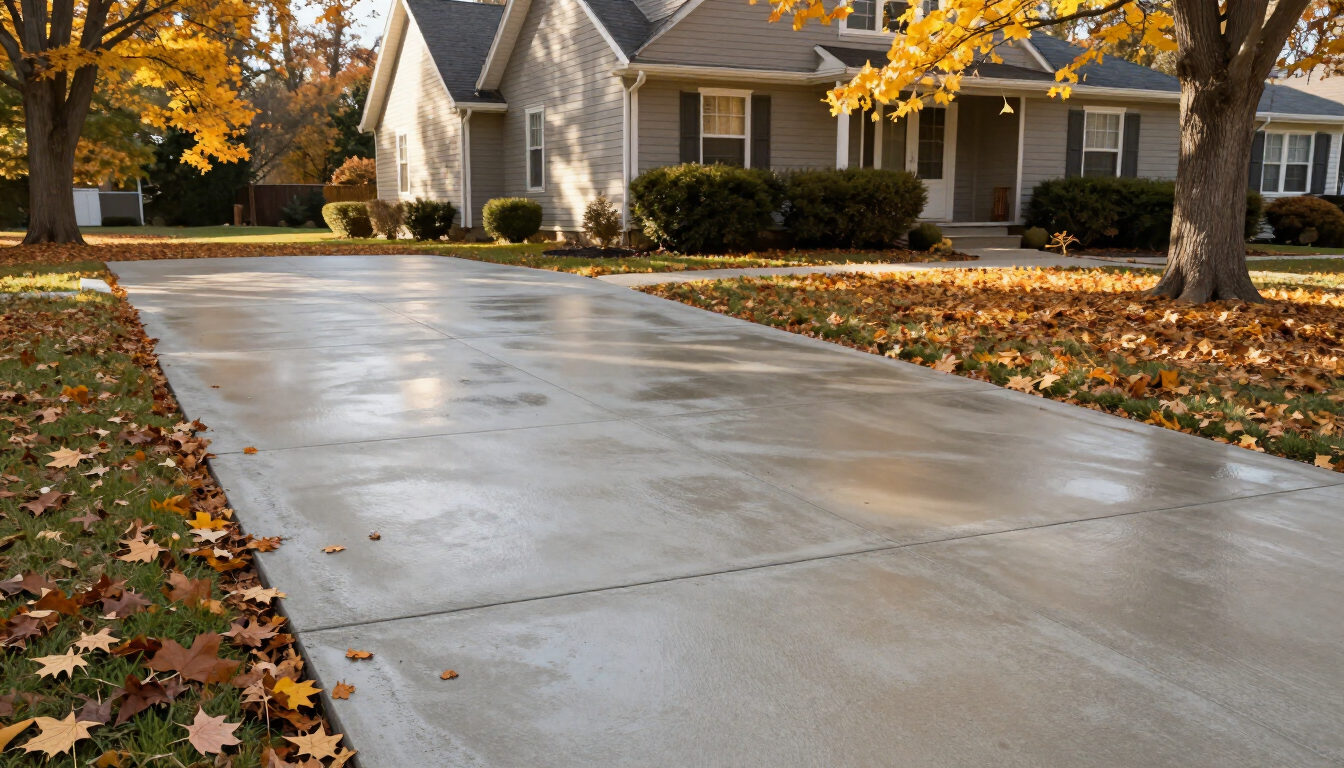
It might be tempting to pave over a part of your yard to create extra parking or a new driveway, but if that path crosses your septic area, don't do it. Whether you use asphalt, concrete, or even just a thick layer of gravel, you are sealing off the ground. A septic system relies on a process where moisture moves up through the soil and evaporates into the air. If you cover the ground with a driveway or a sidewalk, you trap that moisture.
Trapped moisture prevents the soil from drying out, which means the effluent (the liquid waste) can't be properly filtered. Over time, the soil becomes a muddy, anaerobic mess that won't absorb anything. We always recommend keeping all paved surfaces and permanent paths well away from the drain field to ensure your system can "breathe."
What structures should stay away from the leach field?
It is common for homeowners to want to add a storage shed or an above-ground pool to their property. However, these are permanent or semi-permanent structures that carry immense weight and cover a large area of ground. Even if the structure doesn't have a concrete foundation, its presence alone can be detrimental to the health of your septic system.
An above-ground pool is particularly dangerous. A standard 15-foot round pool can hold over 5,000 gallons of water, which weighs more than 40,000 pounds. That is a staggering amount of weight to put on top of delicate septic pipes and loose soil. Beyond the weight, pools often leak or are splashed, which adds even more water to an area that is already trying to process your household waste. Saturating the soil from the top down makes it impossible for the system to process waste from the bottom up.
Sheds and outbuildings present a similar problem. Even a small