How to Prepare Rural Land for Development in TN & KY
To prepare rural land for development in Tennessee or Kentucky, you must conduct a thorough site assessment, clear existing vegetation, and perform professional grading. This process involves securing permits, evaluating soil for septic systems, and executing precise excavation to ensure proper drainage and utility access for your future home or structure.
Why is Initial Site Assessment Critical for Your Project?
Before any machinery touches the soil on your property in Western Tennessee or Kentucky, a comprehensive site assessment is the bedrock of your success. Developing rural land is significantly different from building in a suburban subdivision where the infrastructure is already in place. In a rural setting, you are essentially the developer, and that means you need to understand exactly what you are working with.
First, you must verify the boundaries of your land. Over time, property lines in rural areas can become blurred by overgrown brush or shifted markers. Hiring a surveyor ensures you aren't clearing a neighbor's trees or building a structure too close to a property line. Next, you need to consider the topography. Tennessee and Kentucky are known for their rolling hills, which offer beautiful views but present unique challenges for drainage and foundation stability.
Zoning and permits are another major hurdle. Each county has its own set of rules regarding land use, setbacks, and environmental protections. At Shamrock Dirt & Forestry, we often see homeowners who are surprised by the amount of paperwork required before they can even begin property and brush clearing . Starting with a clear understanding of these legal requirements prevents costly delays and potential fines down the road.
Finally, soil quality is paramount. In rural developments, you likely won't have access to municipal sewage systems. This means your land must pass a "perc test" to determine if the soil can support a septic system. Without this approval, your building plans could come to a screeching halt before they even start.
What Does the Property Clearing Process Look Like?
Once the planning is complete, the physical transformation of your land begins with property clearing. This isn't just about knocking down trees; it’s a strategic process designed to create a clean slate while preserving the integrity of the soil and the surrounding landscape. Many homeowners in our region deal with dense brush, invasive species, and decades of overgrowth that can hide rocks, stumps, and uneven terrain.
Professional property clearing involves several key steps:
- Identifying and marking trees to be saved for shade or aesthetics.
- Removing underbrush and invasive plants using heavy-duty mulching equipment.
- Felling larger trees and removing stumps to prevent future ground settling.
- Hauling away debris or burning it in accordance with local fire safety laws.
- Identifying natural drainage patterns that must be maintained or diverted.
After the initial clearing, excavation and dirt work take center stage. This is where the land is actually shaped to suit your vision. If your property has significant slopes, grading is necessary to create a level building pad. Proper grading is also the most effective way to prevent basement flooding and soil erosion. By moving earth strategically, we ensure that rainwater flows away from your future foundation and toward designated drainage areas.
During this phase, some homeowners also choose to enhance their property with water features. Pond construction and maintenance can provide both aesthetic beauty and functional benefits, such as livestock watering or fire protection resources. A well-placed pond requires expert excavation to ensure the soil holds water and the dam is structurally sound.
How Do You Manage Infrastructure and Utilities?
Preparing rural land for development requires bringing modern conveniences to a location that may never have had them. This involves more than just digging a few trenches; it requires precision and adherence to strict safety standards. One of the most critical components for any rural home is the septic system installation and repair . Because you aren't connecting to a city sewer, your septic system must be perfectly sized and positioned based on your home's occupancy and the land's absorption rate.
Beyond waste management, you need to consider how you will get electricity, water, and internet to your build site. In Tennessee and Kentucky, utility companies often require specific trench depths and clearances. Coordinating these installations during the excavation phase saves time and money by avoiding the need to dig twice. If you are preparing land for a mobile or manufactured home, the requirements are even more specific. Our mobile home site services ensure that the pad is perfectly level and all utility hookups are positioned exactly where they need to be for a seamless setup.
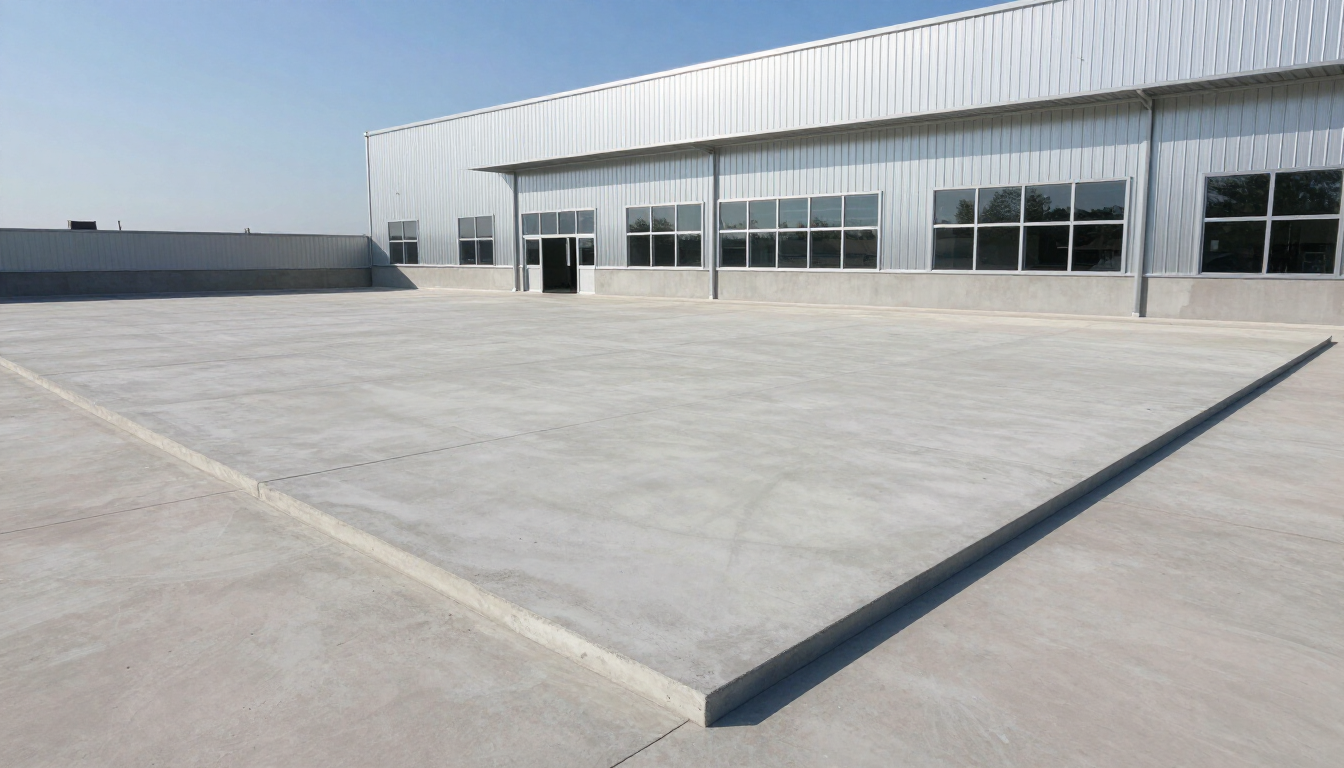
Once the utilities are underground and the building pad is ready, it is time to think about the foundation. Whether you are building a custom home, a garage, or a barn, high-quality concrete services are essential. A foundation is only as strong as the ground beneath it, which is why the site preparation we do earlier is so vital. We provide:
- Precision-leveled house pads and garage slabs.
- Durable concrete driveways designed to handle heavy delivery trucks.
- Custom concrete patios for outdoor living spaces.
- Poured footings for barns and agricultural buildings.
- Reinforced foundations for heavy equipment or storage sheds.
Managing these various infrastructure needs requires a contractor who understands how each piece of the puzzle fits together. By handling the excavation, utility prep, and concrete work simultaneously, you reduce the risk of logistical errors that can plague multi-contractor projects.
Essential Steps for Site Preparation and Finish Work
As the heavy construction nears completion, the focus shifts to the final details that turn a construction site back into a home. Site preparation and finish work involve the final grading and smoothing of the soil to prepare for landscaping. This is the stage where we ensure the ground is perfectly contoured to prevent standing water and to make future lawn maintenance easier. If there were old structures on the property that you no longer need, our demolition services can safely remove them, clearing the way for your new vision.
In the transition between raw land and a finished yard, erosion control is vital. In the hilly regions of TN and KY, a single heavy rainstorm can wash away valuable topsoil if the land isn't properly stabilized. We use various techniques, such as silt fences, straw mulching, or temporary seeding, to keep your dirt where it belongs while your permanent grass or landscaping takes root.
Summary of Rural Land Preparation
Preparing rural land for development is a journey that requires patience, expertise, and the right equipment. By following a structured approach, you can avoid the most common pitfalls of rural building and ensure your property is a safe, stable, and beautiful place to live for decades to come.
Key Takeaways for Homeowners:
- Start with a professional survey and soil perc test to confirm buildability.
- Invest in quality property clearing to prevent future stump rot and settling.
- Prioritize drainage through expert grading to protect your home's foundation.
- Ensure septic systems and utility trenches meet all local TN and KY codes.
- Use a comprehensive contractor to manage the transition from raw land to finished site.
At Shamrock Dirt & Forestry, we have over 25 years of combined experience helping homeowners across Tennessee and Kentucky realize their dreams. We understand the local soil, the weather patterns, and the regulatory landscape. If you're ready to start your project, contact us today for a consultation. Let’s work together to transform your land into the perfect site for your new home.