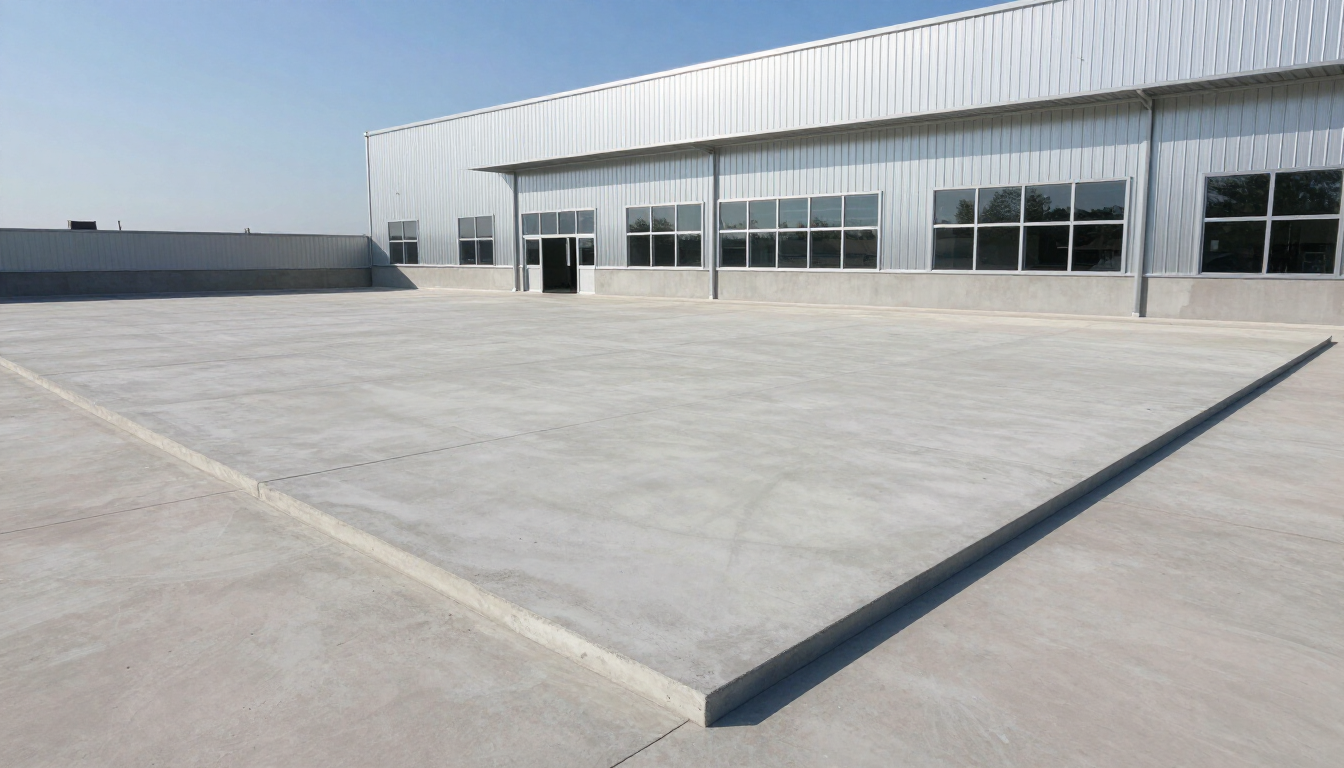
Mobile Home Site Prep: What to Do Before Installation
Mobile home site prep is the essential process of clearing, leveling, and stabilizing land before a manufactured home is delivered. It involves securing permits, clearing vegetation, grading for drainage, and installing a foundation and utilities. Proper prep ensures your home remains structurally sound, stays level, and meets local Tennessee and Kentucky building codes.
What is mobile home site prep and why does it matter?
Setting up a new home is an exciting milestone, but before that truck pulls up with your new residence, your land needs to be ready to receive it. Mobile home site prep isn't just about making a flat spot on the ground; it’s about creating a safe, sustainable environment where your home can sit for decades without shifting, sinking, or flooding. When we talk about site preparation, we are looking at the foundational health of your property.
In our region, specifically across the rolling hills of Tennessee and the diverse landscapes of Kentucky, the earth can be unpredictable. We deal with everything from heavy red clay that holds water to rocky outcrops that make digging a challenge. If the site isn't prepped correctly, you risk the home settling unevenly, which can cause doors to stick, windows to crack, and even structural damage to the frame. Beyond the home itself, poor prep leads to drainage issues that can wash away your driveway or flood your septic field.
Investing in professional Mobile Home Site Services means you are building on a solid foundation. It involves a coordinated effort between excavation, utility planning, and legal compliance. By doing it right the first time, you save yourself thousands of dollars in future repairs and ensure your home stays level and dry through every season.
How do you choose the best spot for your mobile home?
Before any dirt moves, you have to decide exactly where the home will sit. This isn't just about the best view—though that certainly matters. You need to consider the practicalities of how the home will be delivered and how it will function daily. Delivery trucks are massive and require significant clearance to maneuver. If your chosen spot is behind a tight cluster of trees or at the end of a narrow, winding ridge, you might face extra costs or delivery failures.
Consider these logistical factors when selecting your site:
- Proximity to existing utility lines (power, water, and gas).
- Accessibility for the delivery truck and setup crew.
- Natural drainage patterns to avoid low-lying swampy areas.
- Setback requirements from property lines and existing structures.
- Orientation for sunlight and energy efficiency.
Once you’ve identified the general area, it’s time to look at the soil. Soil testing is a critical part of mobile home site prep. It determines the load-bearing capacity of the earth. In parts of Western Tennessee, we often encounter softer soils that might require extra compaction or specific foundation types. Knowing what’s under the grass helps us plan the right Excavation & Dirt Work to prevent future settling.
Essential Land Clearing Steps
Once the location is pinned down, the real physical work begins. Land clearing is the first step in transforming a wild piece of property into a construction-ready site. This involves more than just mowing the grass. We have to remove any obstacles that could interfere with the foundation or the movement of the home. This process is often called "clearing and grubbing."
Clearing refers to the removal of all surface vegetation, including trees, bushes, and tall grass. Grubbing goes a step deeper, removing the root systems and stumps. Leaving roots in the ground is a common mistake; as they decay over time, they create voids in the soil, which can cause the home's foundation to sink or tilt. We use specialized machinery for Property & Brush Clearing to ensure the site is stripped down to clean, stable dirt.
Common clearing tasks include:
- Removing large trees and grinding stumps below the surface.
- Clearing underbrush and invasive thickets.
- Removing large boulders or surface rocks.
- Stripping the topsoil (the organic layer) to reach the subsoil.
- Creating a clear path for delivery trucks to enter the site.
After clearing, the topsoil is usually pushed to the side. While topsoil is great for gardening later, it is far too spongy and organic to support the weight of a mobile home. We need to reach the dense subsoil to create a compact, load-bearing surface. This preparation ensures that your home sits on earth that won't move when the heavy rains of a Tennessee spring arrive.
Why is grading and excavation critical for stability?
Grading is perhaps the most technical part of mobile home site prep. It is the process of reshaping the land to create a perfectly level pad for the home while ensuring that water flows away from the structure. Water is the enemy of any foundation. If water pools under your mobile home, it can rot the wooden components, rust the metal frame, and destabilize the soil piers.
When we perform excavation for a mobile home, we are creating a "pad." This pad must be slightly elevated or sloped so that runoff is directed toward drainage ditches or natural low points on the property. We use laser levels to ensure the pad is flat within a fraction of an inch. Even a slight slope in the pad can lead to the home being crooked, which puts immense stress on the joints and roofline.
Key elements of effective site grading:
- Crowning the pad to shed water in all directions.
- Installing culverts under driveways to manage road runoff.
- Digging perimeter ditches to redirect rainwater.
- Compacting the soil in layers to prevent future sinking.
- Ensuring the pad is larger than the home to allow for a dry perimeter.
In hilly areas of Kentucky and Tennessee, this might require "cut and fill" excavation. This is where we cut into a slope to create a flat shelf and use that dirt to fill in the lower side. Done correctly, this creates a beautiful, integrated site that looks like it belongs in the landscape. If you're ready to start this process, you can Contact us for an evaluation of your land's topography.
Managing Utilities and Septic Systems
Before the home is placed, you need to have your "rough-in" utilities ready. This means the pipes and wires are in the ground and ready to be hooked up the moment the home is leveled. If you wait until after the home arrives to dig your utility trenches, you'll find it much harder to maneuver equipment under the chassis. Coordination is key here, especially when dealing with local inspectors.
For most rural properties in our service area, a septic system is the most significant utility requirement. You cannot live in your home until the septic system is permitted, installed, and inspected. This process starts with a "perc test" to see how well your soil absorbs water. Our team specializes in Septic System Installation & Repair , ensuring your tank and drain field are placed in the ideal spot—downslope from your water source and in soil that can handle the load.
Necessary utility preparations include:
- Trenching for electrical conduits and water lines.
- Installing the septic tank and primary drain field.
- Setting a power pole or meter base according to utility company specs.
- Running gas lines if your home uses propane or natural gas.
- Ensuring all stub-outs are in the exact location required by the home's floor plan.
Water management is also a part of this stage. Whether you are connecting to a municipal line or digging a well, the lines must be buried deep enough to avoid the frost line. In Tennessee and Kentucky, this usually means at least 18 to 24 inches deep. We ensure these lines are protected and marked so they aren't damaged during the final stages of the home setup.
Choosing the Right Foundation Type
What your home actually sits on is determined by both your budget and local building codes. There are several ways to support a mobile home, ranging from simple to permanent. In many cases, the type of foundation you choose will affect whether your home is considered personal property or real estate for tax and financing purposes.
Common foundation types include:
- Pier and Beam : The most common, using concrete blocks or steel piers on top of compacted dirt or gravel pads.
- Slab-on-Grade : A continuous concrete pad that the home sits on, offering excellent stability and moisture control.
- Runner Foundations : Two parallel concrete strips that run the length of the home's frame.
- Basement or Crawlspace : More permanent options that involve block walls, providing extra storage and a more "traditional" look.
For a truly stable setup, many homeowners opt for concrete footings under their piers. This prevents the individual blocks from sinking into the dirt over time. At Shamrock Dirt & Forestry, we can help prepare the ground for any of these options, ensuring the earth is compacted and ready for the weight. Our team is experienced in the precision required for these setups, providing the necessary Excavation & Dirt Work to support your choice.
How much does mobile home site prep typically cost?
One of the most frequent questions we hear is about the budget. It’s hard to give a single number because every piece of land is unique. A flat, cleared lot in a developed subdivision will cost significantly less to prep than a five-acre wooded hillside that needs a long driveway, a septic system, and heavy tree removal.
The primary cost drivers for site prep include the amount of clearing required, the length of utility runs, and the complexity of the grading. If we have to haul in extra fill dirt or gravel to stabilize a driveway, that adds to the material costs. However, cutting corners on site prep is a classic "penny wise, pound foolish" mistake. Investing an extra $1,000 in better drainage now can save you $10,000 in foundation repairs five years from now.
To get an accurate estimate, we recommend a site visit. We can look at the grade, the soil, and the accessibility to give you a realistic picture of what’s needed. We pride ourselves on transparency, so you won't be surprised by hidden costs once the machines start moving.
Final Site Preparation Checklist
As you approach your delivery date, it helps to have a final rundown to ensure nothing has been missed. Mobile home site prep is a multi-stage process, and a small oversight can delay your move-in by weeks. Use this checklist to stay on track:
- Permits : Ensure all zoning, building, and septic permits are signed and posted.
- Access : Confirm the path from the main road to the pad is clear of low branches and soft mud.
- Pad Level : Use a transit or laser level to verify the pad hasn't shifted after a heavy rain.
- Utilities : Verify that water, sewer, and electric stubs are in the correct positions.
- Footings : If using concrete footings, ensure they have had enough time to cure properly.
Preparing your land for a mobile home is a big job, but you don't have to do it alone. With over 25 years of combined experience, the team at Shamrock Dirt & Forestry knows exactly what it takes to get Tennessee and Kentucky properties ready for a new home. From the initial brush clearing to the final finish grading, we handle the heavy lifting so you can focus on moving in.
Ready to get your site ready? Request a Quote today and let’s discuss your project. We’re here to ensure your new home starts off on solid ground.